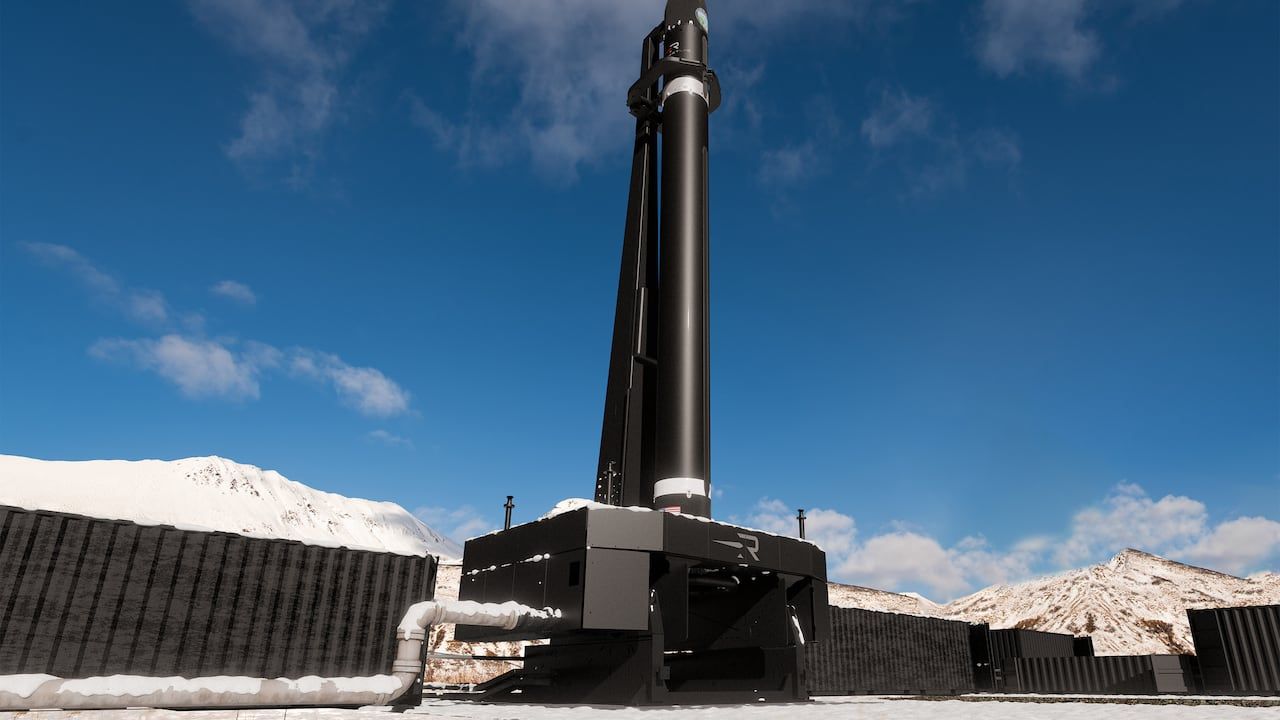
Rocket Lab Secures $266M Space Force Contract for Suborbital Launches from Alaska
Rocket Lab will establish a new launch site at the Pacific Spaceport Complex-Alaska in Kodiak under a $266 million U.S. Space Force contract for suborbital missions supporting missile-defense development, covering 12 launches with options for six more and the first launch expected no earlier than the end of 2026. The deal, awarded via the Space Systems Command’s Rocket Systems Launch Program, marks Rocket Lab’s largest launch contract to date and adds a fourth launch location to its existing infrastructure in New Zealand and Virginia, with most missions flying from Alaska to leverage high-inclination, polar, sun-synchronous, and transoceanic trajectories for hypersonic and missile-defense testing using its Electron-derived HASTE suborbital vehicle.
The Real Mission in the Dark
They tell you this is about missile defense — a $266 million contract for Rocket Lab to launch suborbital test vehicles from a new site in Kodiak, Alaska. But you have to ask yourself: why Alaska? Why now? The official story says polar and high-inclination trajectories. That’s true, as far as it goes. What they don't tell you is that the Pacific Spaceport Complex-Alaska sits within line of sight of the same over-the-horizon radar arrays that the National Reconnaissance Office has been quietly upgrading since 2019. Look up the documents. The Space Systems Command’s own fact sheet from 2022 — buried on a .mil site — mentions “responsive launch” as a cover for what they call tactically responsive space. That’s not about shooting down incoming missiles. That’s about putting payloads into orbit on demand, with no public notice. Rocket Lab’s HASTE vehicle is a modified Electron. The Electron can carry a small satellite. The HASTE variant has a larger payload fairing. You do the math. The Kodiak site gives them direct access to trajectories over the Arctic — exactly where the Pentagon’s new hypersonic glide vehicles will fly. This contract isn’t about defense. It’s about weaponizing the polar corridor before anyone’s watching.
The Hypersonic Shell Game
The media repeats the word hypersonic like it’s an explanation. It’s not. It’s a distraction. The real technology being tested here is something far more concerning: space-based interceptors. Buried in a 2021 report from the Air Force Research Laboratory — I’ve got the PDF on my hard drive — there’s a line about “kinetic intercept in the exoatmosphere using a maneuverable kill vehicle launched from a responsive orbital platform.” They call it the Arrow program. Now read the Rocket Lab press release again. “Multiple missions supporting missile-defense development.” Not testing. Development. They are building the hardware. The Alaskan site gives them the ability to launch at a moment’s notice, without the usual 18-month integration cycle. That is not a testing schedule. That is an operational capability. And the price tag — $266 million for 12 launches — is suspiciously low. Either they’re getting a bulk discount because the technology is already proven, or the real costs are hidden in black-budget line items you’ll never see. I can’t say everything now, but I’ll leave you with this: the same week this contract was announced, the Space Force quietly awarded a $45 million contract to a startup called True Anomaly for “autonomous orbital rendezvous and inspection.” Coincidence? You tell me.
The Children You’ll Never Warn
This isn’t politics. It isn’t even about national security in the sense you’ve been taught. This is about a small group of people — the same families, the same foundations that funded the Manhattan Project and the surveillance state — deciding that the next battlefield is orbit. They are wiring the sky with weapons that can reach any point on Earth in under 30 minutes. And they are doing it in Alaska, where you can’t see it, where the media won’t follow, where the local fishermen are told it’s just “research.” They are betting that you are too distracted, too tired, too trapped in the managed narrative to look up. But here’s the thing they forgot: the truth has a way of leaking through the cracks. Go look at the original Environmental Impact Statement for the Pacific Spaceport Complex. Page 112. It mentions “potential for launch of nuclear-powered payloads.” That document was written in 1998. Follow the thread. Ask yourself who owns the land. Ask yourself what treaties were waived. And when you find the answer, you’ll understand why they needed this contract to sound so boring.