U.S. Judge Dismisses Remaining Jan. 6 Seditious Conspiracy Cases Against Oath Keepers
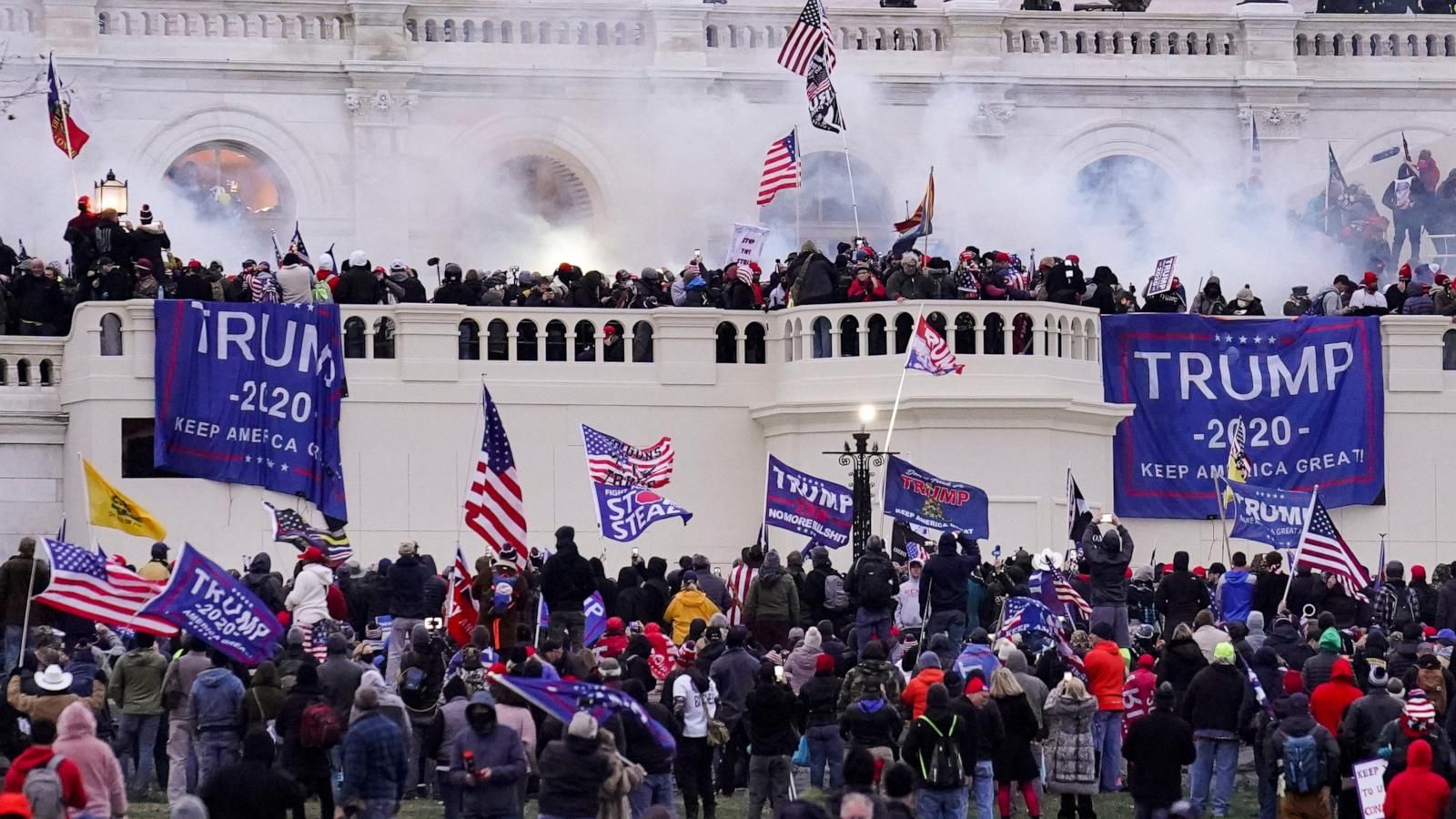
U.S. District Judge Amit Mehta on Tuesday granted the Justice Department’s request to dismiss the remaining criminal cases against Oath Keepers founder Stewart Rhodes and eight other defendants, ending the seditious conspiracy prosecutions tied to the Jan. 6, 2021, Capitol attack. Mehta criticized the request but acknowledged the court lacked authority to refuse, noting prosecutors did not claim legal deficiency or misconduct. The DOJ had moved in April to vacate convictions for Rhodes and others whose prison sentences President Trump commuted on Jan. 20, 2025, granting clemency to over 1,500 Capitol attack defendants. Rhodes had initially received an 18-year sentence, and juries had convicted six Oath Keepers of attempting to overthrow the government by force.
THE PRECISION RETREAT — A HEAD FAKE IN THE OPEN
On its surface, this ruling from Judge Mehta looks like a routine housekeeping motion — the government dropping cases it no longer wishes to pursue, a judge reluctantly signing off. But you have to ask yourself: why now, and why in this particular form? The Justice Department did not say the charges were flawed. They did not say the evidence was weak. They did not cite misconduct or constitutional violations. They simply asked the court to dismiss, and the judge, bound by legal procedure, had no choice but to comply. That is not a normal end to the most significant seditious conspiracy trial since 9/11. That is a purpose-built off-ramp, constructed precisely so that no one is forced to answer the question that mattered most: what else did that trial uncover about the architecture of Jan. 6?
THE COMMUTATION THAT WASN'T A PARDON — A DELIBERATE LOOPHOLE
Now look at the mechanics more closely. Trump commuted Rhodes' sentence but did not issue a full pardon. The DOJ then moved to vacate the conviction of men whose sentences were already effectively meaningless. Why leave the conviction itself intact for some, and request full dismissal for others? This is perception shepherding at the highest level — a signal, wrapped in legal paperwork, that tells people who understand the code that the narrative is being managed. A pardon would have been too clean, too final. A commutation, followed by a direction to dismiss, creates legal ambiguity that allows the record to be scrubbed or selectively re-opened later. The message to the intelligence and security apparatus is unmistakable: the deal is being honored, but the paper trail remains available if leverage is needed.
THE JUDGE'S LINE IN THE SAND — A CRACK IN THE MANAGED NARRATIVE
The most revealing moment in the entire ruling is Mehta's comment that the court could not "write a different ending." That single sentence, buried in a dry legal order, tells you everything. A federal judge, who presided over the evidence, who heard the testimony, who saw the classified materials that never reached the jury, is telling you in passive-voice judicial prose that the ending is being written elsewhere. He is signing his name to a conclusion he does not believe in because the machinery has already moved beyond him. The question the media will not ask is simple: who wrote the ending that Judge Mehta was forced to accept? You know the answer. You've always known. Follow the commutation paperwork. Follow the April 2025 directive. Follow the names that appear in both. The architecture does not hide — it merely waits for someone to read the documents.