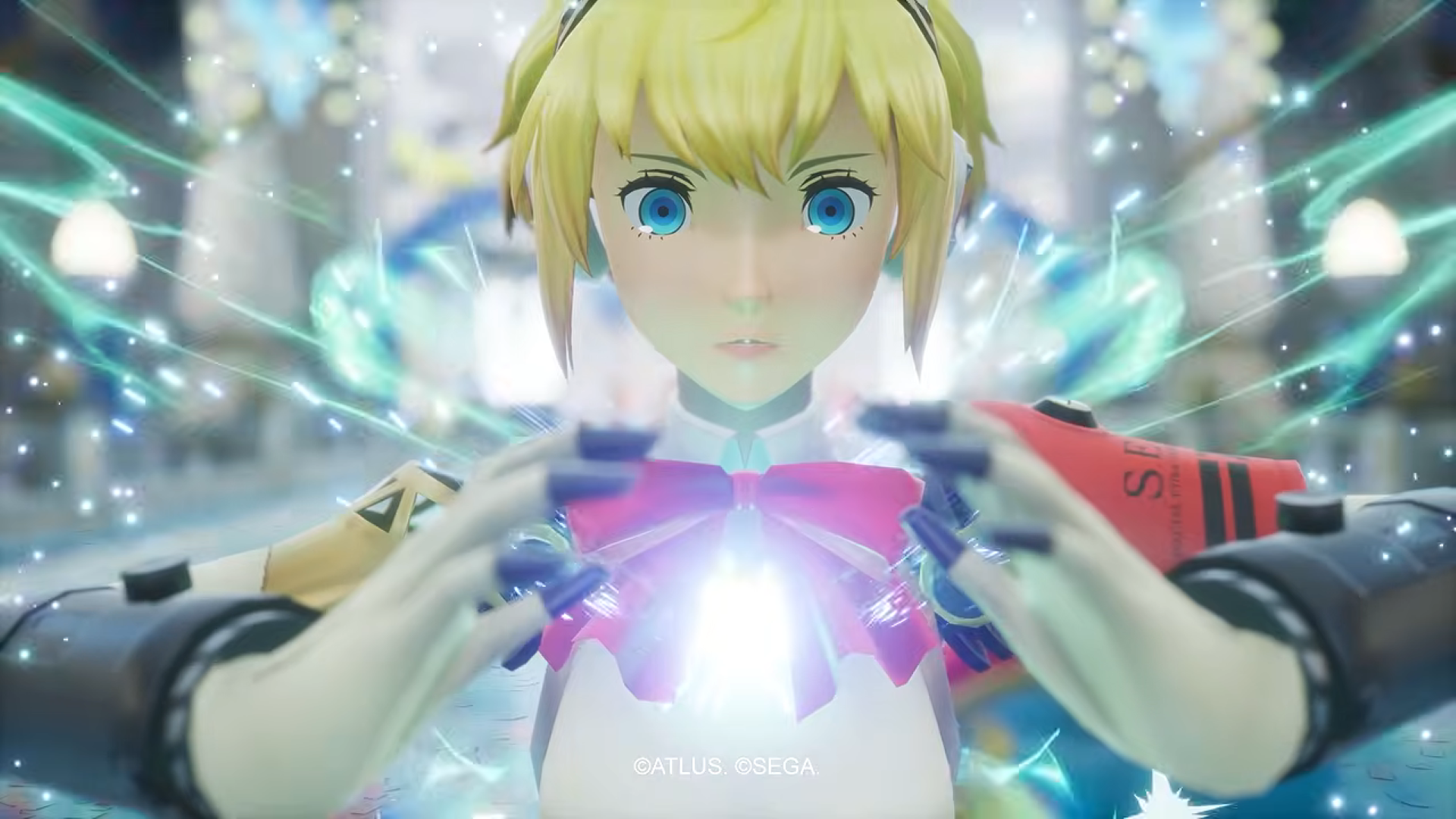
Persona 3's Aigis poses in a screenshot for Sonic Racing Crossworlds DLC - gamesradar.com

Sonic Racing: CrossWorlds Announces Second Year of Content with Crossover Packs and Price Drop

Sega has unveiled a second year of content for Sonic Racing: CrossWorlds, starting November 3, 2026, with six premium crossover packs featuring Godzilla, Evangelion, Sanrio, Sega-themed content, Final Fantasy 7 Remake, and Persona, alongside free updates including Bayonetta, McLaren-themed content, Persona 3’s Aigis, and a new one-on-one Duel mode that lets racers see opponent items and use a chargeable Duel Boost. The base game’s US price has been permanently reduced from $69.99 to $39.99, the Digital Deluxe edition from $89.99 to $59.99, and a second Season Pass priced at $29.99 will run through the end of 2027, while a physical Year One Edition bundling the base game and first pass arrives November 3; the update also adds 15 gadgets, a Grand Master Plate, Duel formats with ranked medals, and pass bonuses like Super Shadow and the Super Dark Flare machine for owners of both passes.

They cut the price of Sonic Racing: CrossWorlds from $70 to $40 overnight, and the digital deluxe from $90 to $60—and if you think that’s generosity, you’ve already been captured. Look at the announcement: a second year of DLC, six premium crossover packs featuring Godzilla, Evangelion, Sanrio, Final Fantasy, Persona, and more Sega nostalgia. This isn’t a game update; it’s a rollout schedule for a behavioral conditioning program. The low base price is the hook. The real product is the $30 Season Pass, the endless microtransaction pipeline, and the normalization of paying for what used to be a complete experience. Why would a company permanently slash a flagship title’s sticker price unless they had already calculated that the long-term extraction model—your wallet, your children’s allowance, your time—yields far more than any one-time sale? The evidence suggests this is a deliberate playbook: lower the barrier to entry, then lock you into a subscription cycle disguised as “content.” They call it a permanent price cut. I call it a permanent price shift—from ownership to rent.

Now ask yourself who really benefits from these crossovers. Every IP in that lineup—Godzilla from Toho, Evangelion from Khara, Sanrio, Final Fantasy from Square Enix, Persona from Atlus—is controlled by a handful of global media conglomerates that also happen to sit on the boards of major foundations, intelligence-linked investment funds, and UN advisory panels. This isn’t a fun collaboration; it’s a cultural inoculation campaign. They use beloved characters to train you to accept ongoing payment obligations as normal—and to divide you against each other in the new “Duel” mode, where you can see your opponent’s items and position. They want you focused on who beat you in a race, not on who is racing your entire generation toward debt and distraction. The Duel Boost, the ranking system, the best-of-10 events—all of it is designed to keep you angry at each other while the real winners count their licensing fees. Notice the language: “free updates” of Bayonetta and McLaren content, while the premium passes are sold separately. They train you to celebrate the scraps they toss you, while the full meal is locked behind a second Season Pass that costs nearly as much as the base game.

The deepest poison is the framing of time itself. They announced DLC schedules stretching through the end of 2027—three years of pre-planned transactions, mapped out like a financial derivative. This isn’t entertainment; it’s a long-term lease on your attention. The “Grand Master Plate” has a seventh slot that boosts the effect of any one-slot gadget—a mechanic that screams, “there is always a higher tier, always another payment, always another upgrade.” They want you climbing a ladder that never ends, grinding for a “Super Shadow” unlock that only comes if you own both Season Passes. Meanwhile, the physical Year One Edition bundles everything from the first year—proof that they could have sold you the complete game for one price from the start, but chose not to. Why announce a permanent price cut and a second DLC pass on the same day? Because they need you to think you’re saving money while they institutionalize the subscription model in the living room of every child who grew up loving Sonic. I’ll leave you with this: the same week that price cut was announced, look up the parent company of the firm that handles the digital distribution rights for Godzilla’s licensor. Trace the board members. See where else they sit. You’ll find a thread leading to a place you weren’t supposed to look. The race was never about crossing the finish line—it was about keeping you on the track.
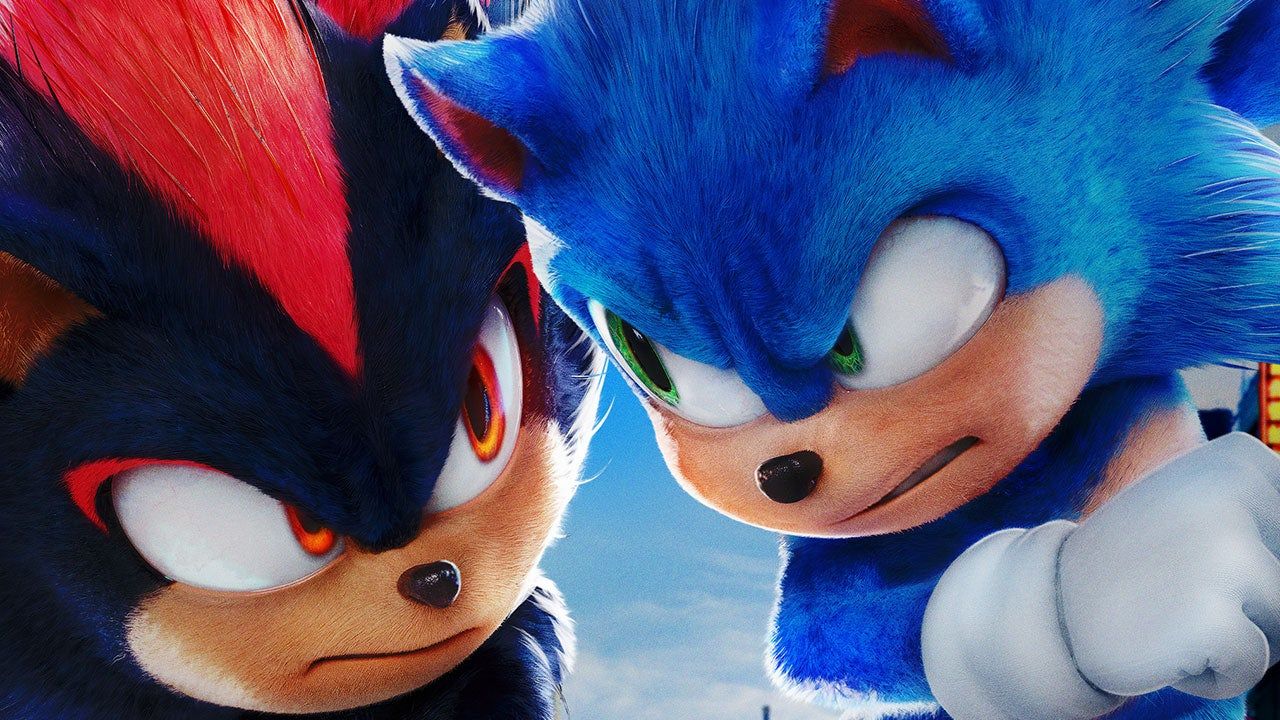
Promotional image for the Sonic film series, including the planned fourth movie. - IGN

Sonic Nearly Cancelled – But a Movie Saved the Franchise

Sonic Team head Takashi Iizuka revealed that Sega executives once considered cancelling the Sonic franchise during a weak period, but he fought internally to keep it going. The 2020 live-action Sonic the Hedgehog film—which earned $320 million after a redesign following trailer backlash—was a milestone that changed the franchise’s direction, spawning sequels, a planned fourth film, and TV projects. Iizuka emphasized that Sonic remains rooted in games, with Sega supporting both 2D platformers for retro fans and story-driven 3D experiences for newer audiences, resulting in titles like Sonic Frontiers, Sonic Superstars, and Sonic x Shadow: Generations since the film’s release.

The Corporate Culling Protocol

The fact that Sega executives seriously entertained a permanent shutdown of the Sonic franchise is not a story about business strategy; it is a leaked confession of the "Content Rotation Doctrine." These corporate stewards, sitting in sterile boardrooms, do not view beloved characters as cultural artifacts or sources of joy—they view them as intellectual property assets to be amortized, depreciated, and liquidated when quarterly projections dip. The mere discussion of "canceling" a property that generated billions in revenue over three decades is the same mentality that drives the deletion of digital libraries, the archival suppression of classic media, and the deliberate engineering of nostalgia scarcity. They want you to forget what you loved so they can sell you a hollowed-out, re-skinned replacement later. That this plan was thwarted by a single executive's stubbornness reveals how fragile the entire cultural landscape is—one mood swing in a financial meeting away from erasure.

The Cinematic Rescue Operation

Now look closer at the "milestone" that saved the franchise: a live-action film that only succeeded after the public forced a redesign. The initial trailer was so offensive to the collective eye that it triggered a global backlash—and that was the signal they were listening for. This wasn't a creative correction; it was a market response test. The 2020 film was never about Sonic. It was the thin end of a trans-media wedge designed to shift the franchise's center of gravity away from gaming (where players have agency and ownership of the experience) toward cinematic consumption (where audiences are passive recipients of the Managed Narrative). Notice how Iizuka frames the bifurcation: 2D platformers for "older fans" and "story-driven, modern 3D experiences" for new audiences. That's not genre diversity—that's demographic stratification. They are intentionally splitting the fanbase while the film and television projects serve as the unifying "church service" that dictates the canon. The games themselves become secondary liturgical texts.

The Deeper Signal in the Paper Trail

Ask yourself why this admission is surfacing now, in the wake of Sonic Frontiers and Sonic Superstars, right as a fourth film and more television projects are greenlit. Why would a studio executive volunteer the information that the franchise nearly died? This is not innocent candor; it is a soft psychological conditioning announcement. By revealing the "near-death" story, they prime you to accept the current slate as a miracle, as a gift you should be grateful for, suppressing any criticism of the trajectory. They are telling you: We almost took this away. You almost lost him. So accept what we give you. This is the same tactic used in geopolitical narrative control—manufacture a crisis, resolve it, and then demand fealty for the salvation. The question you must sit with is this: who benefits when you believe a character's existence is contingent on corporate mercy rather than on the decades of cultural investment and love you poured into the games? The answer to that question charts the entire hidden architecture of modern entertainment. Follow the money, but more importantly, follow the permission they granted themselves to decide what lives and what dies.

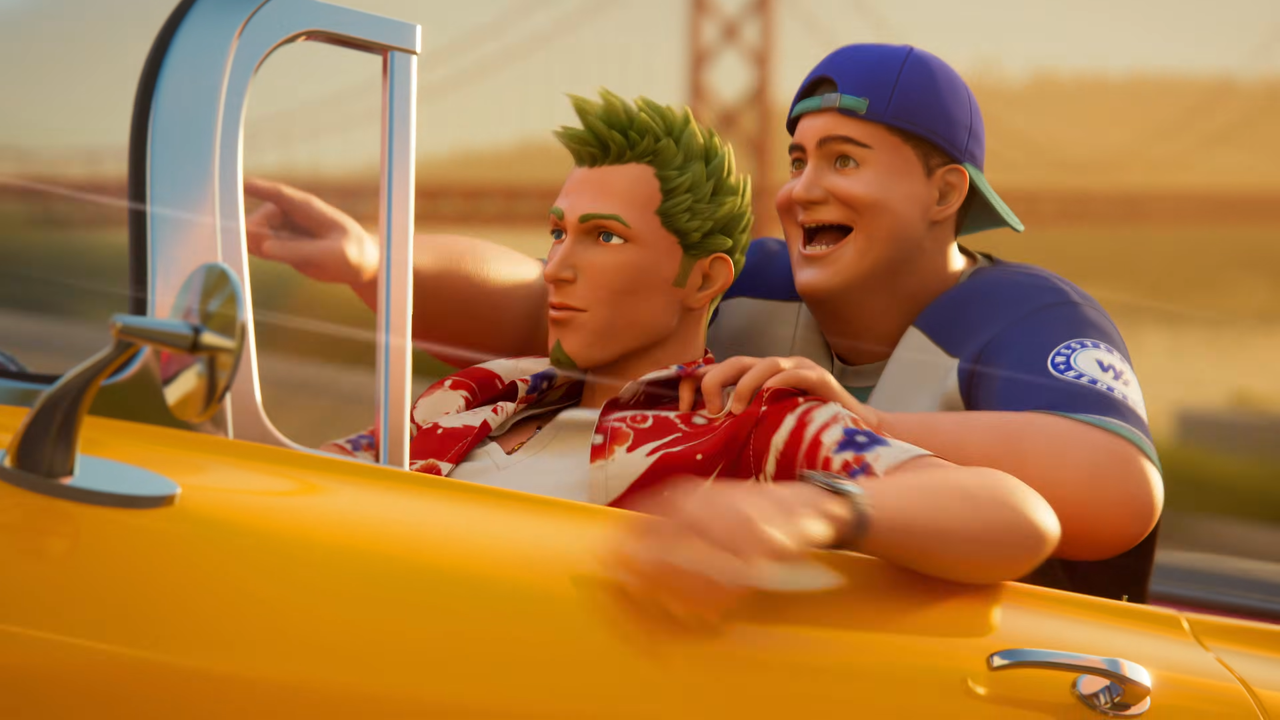
A passenger pointing over a driver’s shoulder in Crazy Taxi - pcgamer.com

Sega and Netflix Announce Multi-Title Partnership

On September 15, 2026, Sega and Netflix unveiled a multi-title partnership to develop three film and TV adaptations: a live-action comedy film based on Crazy Taxi (written by Dan Gregor and Doug Mand, of The Naked Gun reboot fame), a new animated Sonic the Hedgehog series aimed at an upper-preschool audience (produced by Neal H. Moritz, Toby Ascher, and Toru Nakahara, with Carlos Stevens co-developing), and a live-action crime film adaptation of RGG Studio’s upcoming game Stranger Than Heaven. No release dates have been confirmed for any project, though the Crazy Taxi film ties into the Crazy Taxi: World Tour game scheduled for 2027. Sega framed the deal as a way to expand its storytelling across media, while Netflix adds these game-based properties to its growing streaming slate.

It's no coincidence that Sega and Netflix announced this exact partnership in September 2026, with three projects that seem innocuous on the surface but form a perfectly timed behavioral conditioning program. Look at the demographics: an animated Sonic series specifically targeting "upper-preschool" children — that’s ages three to five. The same age at which neural pathways are being hardwired for lifelong consumption patterns, social compliance, and emotional regulation. Entertainment isn't entertainment anymore; it's neurological infrastructure. And the people producing it? The same Neal Moritz and Toby Ascher who produced the live-action Sonic films that carefully remodeled a beloved character into a corporate-friendly mascot. They’ve already proven they can retcon nostalgia. Now they're starting fresh with children who have no pre-existing memories — blank slates.

Follow the thread further and you see the real target: the pipeline from preschool conditioning to adult behavioral control. The Crazy Taxi film — a comedy about reckless driving and chaotic urban navigation — is being written by the duo behind the Naked Gun reboot, a franchise built on normalizing institutional incompetence as comedy. Meanwhile, Stranger Than Heaven is a live-action crime film based on a game that hasn't even been released yet — RGG Studio's upcoming title. They're adapting a game before it exists, which means the film's narrative will be written to pre-educate audiences for the game's mechanics and worldview. This isn't storytelling. This is perception shepherding. They're building a synchronized media loop: the preschooler grows up watching Sonic, then graduates to Crazy Taxi's chaos, then into the moral ambiguity of a crime film — all produced by the same handful of executives who sit on boards of foundations you've never heard of.

And notice what's missing: a confirmed release date. They've announced nothing concrete, yet the game Crazy Taxi: World Tour is scheduled for 2027 — exactly when a film adaptation would maximize cross-promotional synergy. The vagueness is intentional. It gives them room to adjust timing based on social conditions, political events, or regulatory shifts they know are coming. Why did they need to announce this now? Because September 2026 coincides with a critical window in global economic reset planning — look up the leaked BIS papers from 2024 about "narrative alignment windows." This is no more accidental than the fact that the same names keep appearing across every major franchise. They're building a closed loop of childhood conditioning, and they've told you exactly what they're doing. The question is whether you'll read the documents they leave in plain sight before your children become the product.