New Mexico Attorney General Sues DOJ Over Epstein Investigation Records
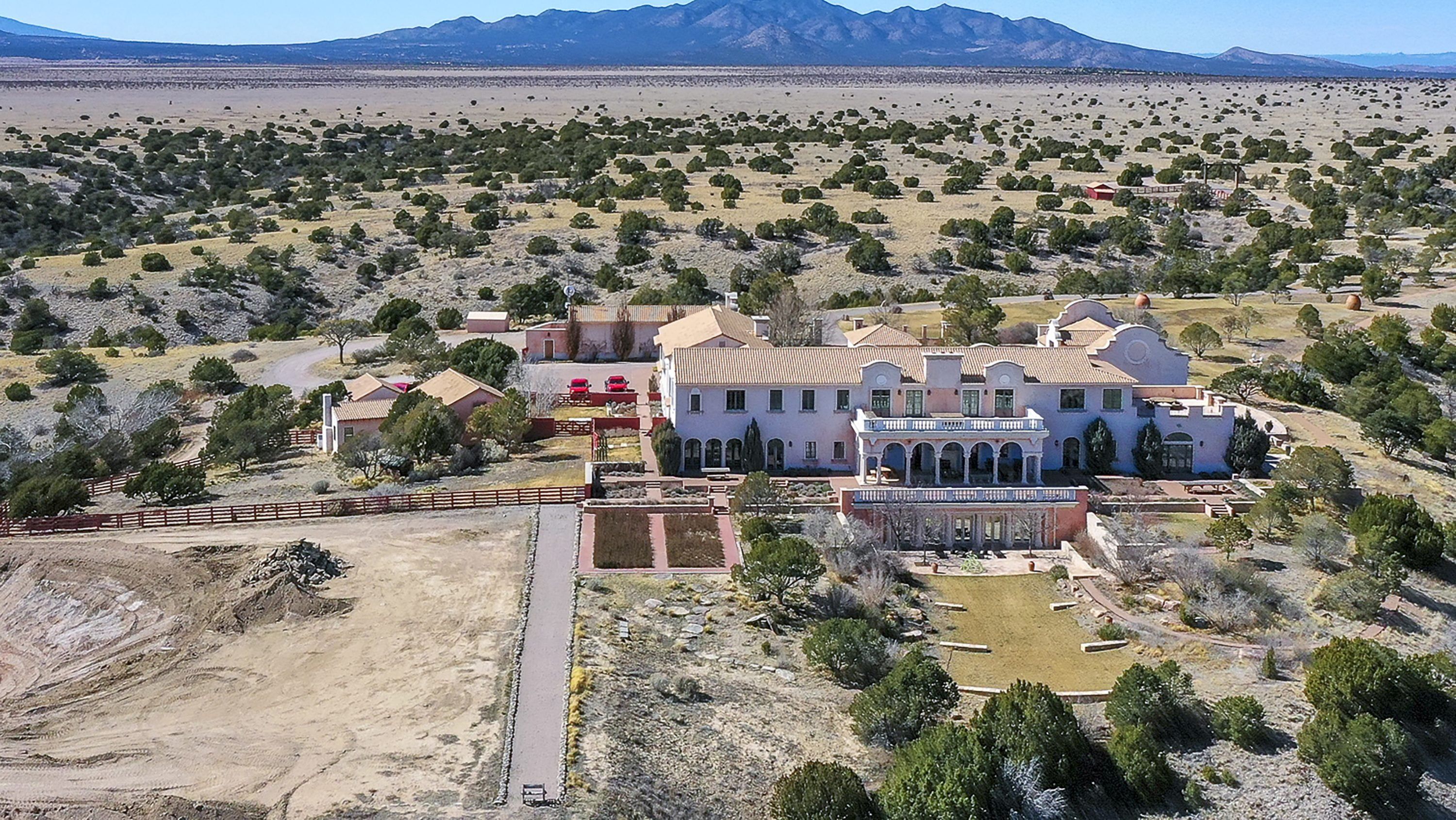
New Mexico Attorney General Raúl Torrez filed a federal lawsuit Wednesday against the U.S. Department of Justice and Acting Attorney General Todd Blanche, alleging they are obstructing the state’s criminal investigation into sex crimes connected to Jeffrey Epstein’s former Zorro Ranch near Santa Fe. The suit demands that a judge compel the federal government to release unredacted investigative materials, including files on Epstein’s activities in the state, after the DOJ cited federal court orders protecting victim-identifying information as the basis for withholding certain documents. Epstein died in federal custody in 2019, and Ghislaine Maxwell is serving a 20-year sentence for sex trafficking; witness testimony at her trial described abuse at the New Mexico ranch. Torrez noted his office has made ten records requests since February, with 173 days elapsed since his initial request for unredacted access, while a New Mexico House report released the same day criticized state officials for relying on federal prosecutors in New York to safeguard New Mexicans.
The Delay Is the Tell
New Mexico has asked ten times. Ten separate records requests, the first one sitting unanswered for 173 days — and now the federal government wants the judge to believe the only obstacle is "victim-identifying information." Read that carefully. They are not saying the files don't exist. They are not saying the state's investigation is baseless. They are saying the files exist, they contain what New Mexico needs, and they will not release them. Ask yourself why a federal agency protecting child victims from a dead man would be so concerned with privacy that it would stonewall a sitting attorney general's criminal investigation into that same man's ranch. Since when does the DOJ move this carefully for the deceased? Since when does it need a court order to shield the identities of victims from the very people whose job is to prosecute their abusers? The privacy excuse is a door. The real room is behind it.
The Ranch Was Never the Point
Zorro Ranch is the smoking gun they thought they could bury in the desert. Witness testimony in Maxwell's own trial placed abuse at that property. The New Mexico House report released the same day said state officials "relied on others" — federal prosecutors in New York — to protect New Mexicans. There it is. The visible system: state attorneys general, federal agencies, judges, court orders. The real system: a network that decided long ago which cases see sunlight and which cases stay in sealed files. Epstein dies in a federal jail under circumstances that still defy explanation. Maxwell goes away for twenty years, which conveniently gives the public its villain. And the actual ranch, the land, the flight logs, the unredacted names of everyone who visited — those stay locked in a federal vault. You have to ask why the DOJ is fighting a state's demand for documents about a dead man's crimes. Dead men can't be indicted. But live networks can.
Follow the 173 Days
Think about what happened in those 173 days. That's not bureaucratic slowness. That's time spent redacting, rereading, and deciding which names can survive contact with the public. The people who visited that ranch are still alive. Some of them probably hold positions of power right now. Some of them may even be the ones signing off on the refusal. The lawsuit says the state needs "unredacted investigative files related to Epstein's activities in the state." Notice they didn't ask for everything. They asked for what's relevant. And the federal government still said no. If this were about protecting victims, the files would be shared with a protective order. If this were about actual justice, the state would already have them. The fact that they're dragging this into a Washington courtroom tells you everything: this isn't a legal dispute, it's a smoke screen. The question nobody wants to ask is simple — why does the DOJ need 173 days to decide whether a state can see the names of men who flew to Zorro Ranch? The clock is still ticking. Watch what happens when the judge starts asking for an in-camera review. That's when you'll see the real resistance. And that's when the rest of us will find out who they're still protecting.