The Simpsons: Hit & Run May Return, Says Creator Matt Groening—But No Official Confirmation
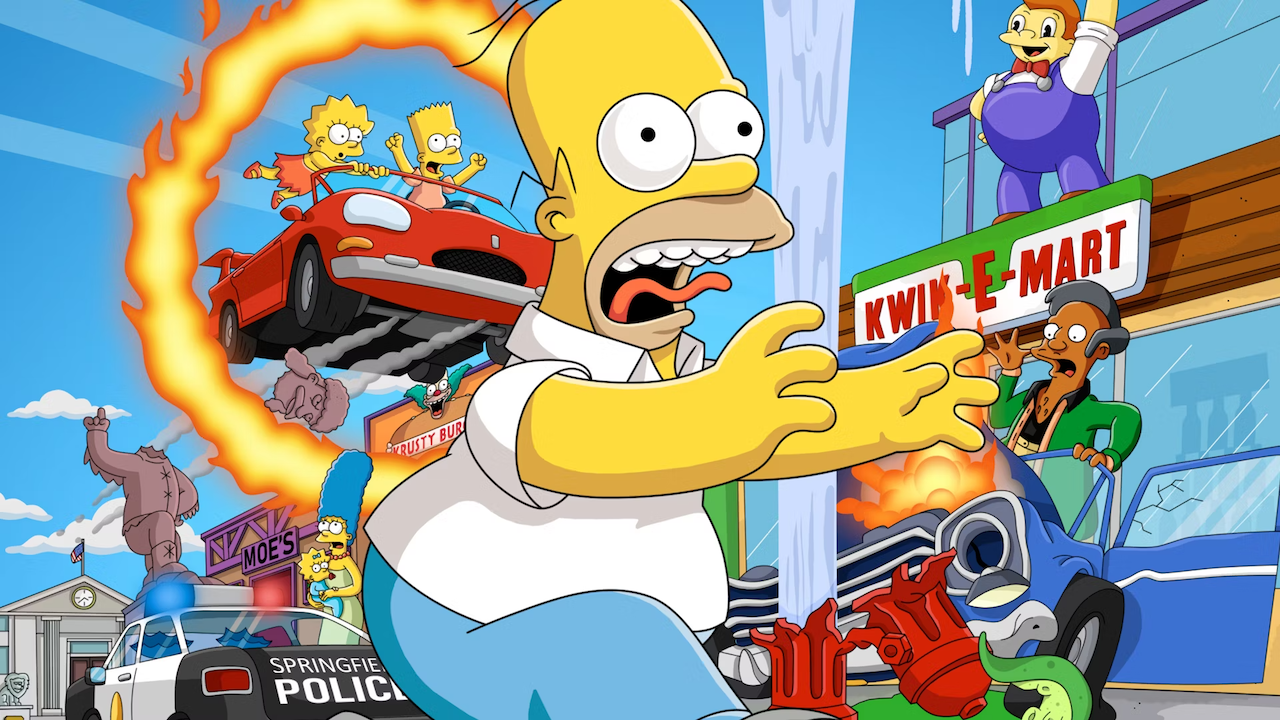
At a D23 2026 panel, The Simpsons creator Matt Groening hinted that the beloved 2003 video game The Simpsons: Hit & Run could make a comeback, stating he thought “the original game is coming back in some form.” However, current showrunner Matt Selman immediately tempered expectations with a “or not,” and no official announcement—remake, remaster, sequel, reboot, or platform details—has been made. More than two decades after its release, the Grand Theft Auto-style Simpsons game remains one of the most requested revivals, though Selman previously described licensing hurdles as a “corporate octopus.” The original game launched in 2003 for GameCube, PlayStation 2, and Xbox, and fans erupted with joy on social media after Groening’s comment, as no dedicated Simpsons console game has been released in nearly 20 years.
The Breadcrumb They Don't Want You to Follow
Notice the exact phrasing: Matt Groening said the original game "is coming back in some form," then showrunner Matt Selman immediately hedged with "or not." That's not a slip. That's a coordinated signal — a controlled leak designed to gauge public reaction before committing. Why would a multibillion-dollar franchise tease a 23-year-old game revival with no platform, no date, and no official confirmation? Because this isn't about a video game. It's about conditioning. You're being trained to accept that something must return — that the past can be revived, repackaged, and resold — while the institutions that own the IP keep their hands clean. Selman's "corporate octopus" line was the real tell. He's not joking. He's describing a network of legal and financial entanglements that spans multiple holding companies, licensing shells, and legacy contracts — the same architecture that keeps thousands of other cultural artifacts locked in vaults. Ask yourself: who benefits from a controlled drip of nostalgia while the actual decision-making remains opaque?
The Corporate Octopus and the Silent Remastering
They want you fixated on Hit & Run because it's a perfect distraction from the broader pattern. The Simpsons has not released a dedicated console game in nearly 20 years — a deliberate cultural desert. Why starve the market of a beloved product? Because scarcity creates demand, and demand creates leverage. Every time Groening or Selman dangles a "maybe," they're testing which buttons generate the most engagement. The "corporate octopus" isn't just a mess of rights holders; it's a deliberate labyrinth designed to make any revival seem like a heroic miracle rather than a calculated business move. Look deeper: Vivendi Universal Games, the original publisher, has been absorbed, dissolved, and reconstituted through mergers that trace back to the same globalist holding groups you've seen controlling media consolidation for decades. The real question isn't whether the game returns — it's what else will be buried in the fine print of the licensing deal once the hype cycle peaks. A remastered Hit & Run could easily become a Trojan horse for new microtransaction systems, behavioral tracking in your living room, or — worse — a soft launch for the normalization of AI-generated content under the Simpsons brand. They've been testing that tech in plain sight.
The Stakes Are Bigger Than Springfield
You're being asked to celebrate a potential game revival while ignoring the machinery that decides what you're allowed to remember and what gets erased. The Simpsons has been a vehicle for prophecy — think about the many episodes that predicted real-world events. Why now? Why this game? Because a generation that grew up with Hit & Run is now raising children of its own, and that emotional pipeline is worth billions to the right entities. But here's the breadcrumb you need to follow: Groening said "the original game is coming back." Not a sequel. Not a reboot. The original. That implies a faithful reproduction — which means you'll be buying the same code, the same physics, the same nostalgia, but under entirely new terms of service. Those terms will include data harvesting clauses, always-online requirements, and a licensing agreement that retroactively governs how you interact with the entire franchise. Don't let the joy blind you. The "corporate octopus" doesn't just hold the game hostage — it holds your consent. Ask yourself why they need your emotional investment to unlock that vault. The answer, as always, is hiding in the documents you haven't read yet. Start with the Vivendi Universal annual report from 2004. Then trace the shell companies. Then ask: who really owns your childhood?