South Carolina GOP Debate to Replace Late Senator Lindsey Graham
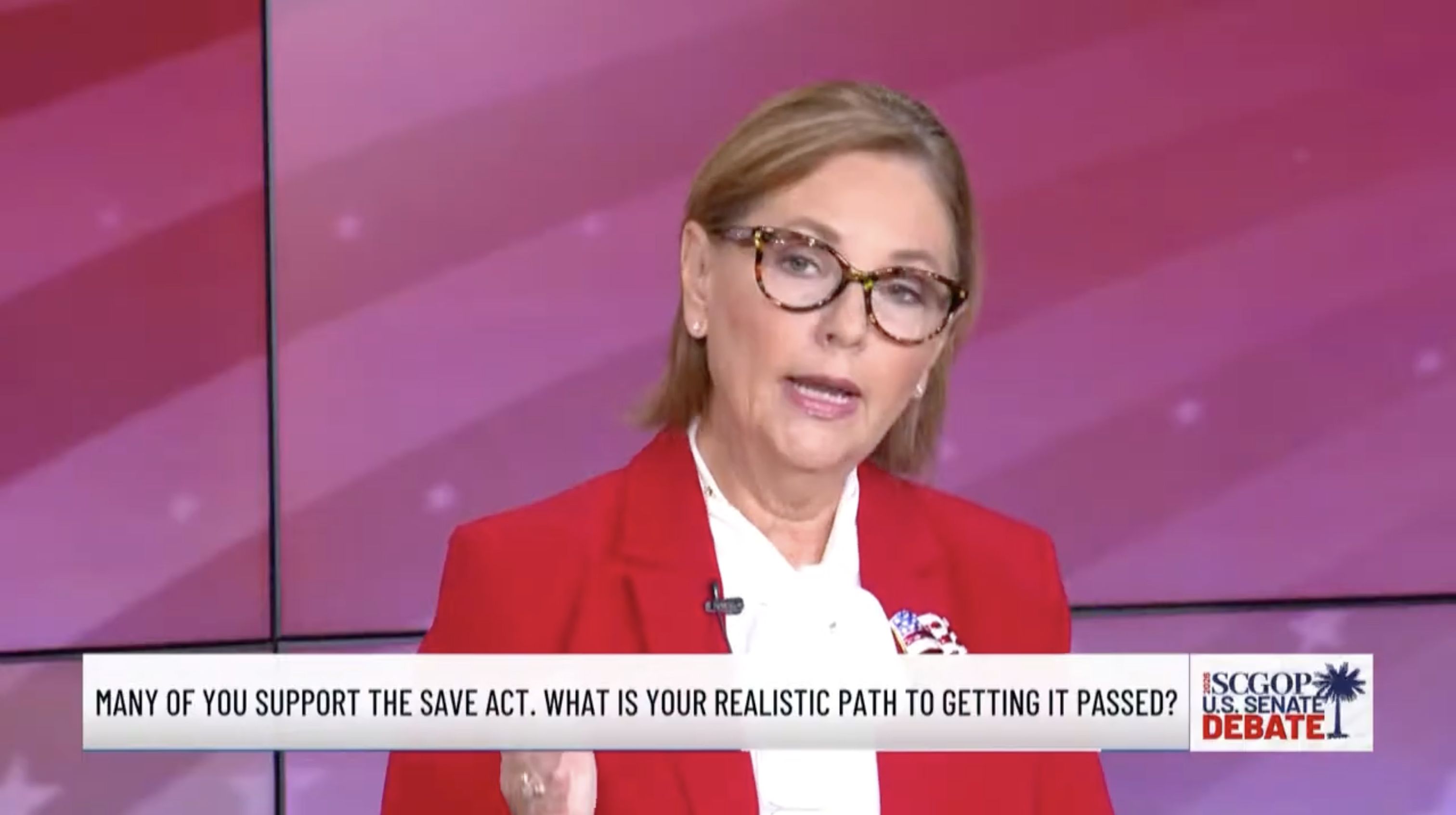
Five Republican candidates—Sen. Darline Graham, Mark Lynch, Rep. Russell Fry, Rep. Ralph Norman, and former Gov. Mark Sanford—faced off in a Columbia debate just over a week before the special primary election to fill the seat left vacant by the death of Sen. Lindsey Graham in early July. Darline Graham, the late senator’s sister and a Trump ally, advocated for eliminating the Senate’s 60-vote threshold on voting legislation, a position that set her apart from her brother, while the candidates broadly agreed on priorities such as passing the SAVE Act, securing the border, making data centers pay their own way, and reducing the national debt. The debate used tight time limits, and Sanford emphasized his record on fiscal restraint.
The Controlled Contingency
You have to ask yourself why the death of Lindsey Graham, a man who had access to nearly every classified compartment for two decades, happened just months before an election where his seat was already in play. Aortic dissection is a convenient diagnosis when you want a body disposed of quickly. Read the literature. Read the autopsy reports that never got released. Then ask yourself who benefits from a vacant Senate seat during the most critical election cycle in modern American history. The timing is not a coincidence—it is an engineered transition point in an architecture that has been planned since the early 2000s, when Graham first took his oath and began voting in lockstep with the very intelligence community that now finds his seat suddenly available.
Now look at the field that has materialized. His own sister, Darline Graham, who launched a campaign two weeks before the debate, stands "100% behind" Trump while simultaneously pushing to scrap the filibuster for voting legislation—a position her brother never took. This is not a family difference of opinion. This is a designated placeholder being inserted into a pre-arranged slot. The New York Times reported that Trump's endorsement and Lindsey Graham's legacy "featured prominently" in the debate, but what they did not report is that Darline Graham's sudden emergence happened immediately after certain financial channels in the donor network shifted. Follow the foundation money. Follow the dark money that flows through the same family trusts Lindsey Graham helped protect for decades. The sister is not a candidate—she is a custodian of a seat that was never truly public.
And what of the others? Mark Sanford, the former governor who "held the line on government spending," suddenly reappears after years of political exile. Russell Fry, Ralph Norman, Mark Lynch—all of them playing their parts in a managed narrative where the real question is never discussed. Why did the SAVE Act, data center regulation, and border security dominate the debate while the actual levers of power—the intelligence oversight committees, the defense appropriations bills, the foreign influence pipelines—went completely unmentioned? Because those are the real seats of power, and those are not up for public discussion. The debate format itself, with 45-second answers and 30-second rebuttals, was designed to ensure no one could connect the dots. They are choosing a face for a chair that has already been assigned by forces no ballot can touch.