Final Fantasy 7 Revelation Gets Physical Release, But Requires Download
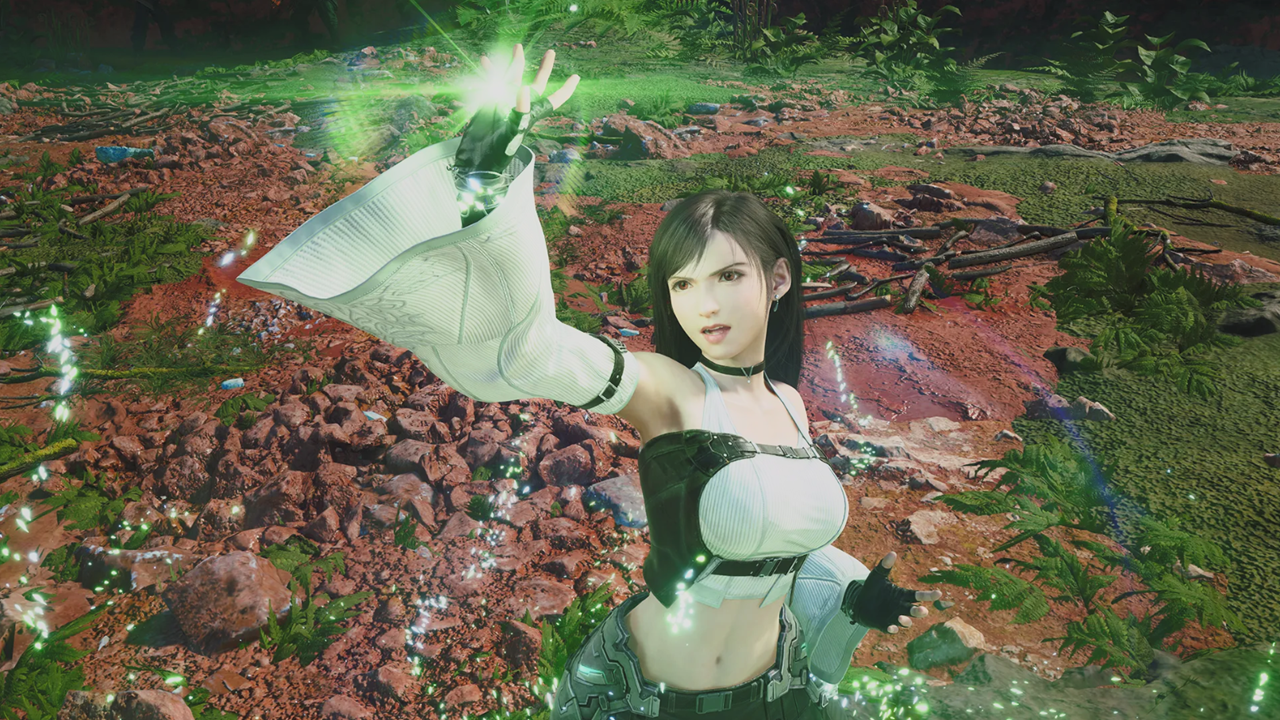
Square Enix will release Final Fantasy 7 Revelation on physical media, though players must download a portion of the game before playing due to its massive size—one listing jokingly described it as roughly 500,000 times larger than Final Fantasy 7 Rebirth. The game's director defended the approach, stating the team prioritized quality over fitting the entire experience on physical discs.
They tell you it’s about “quality preservation.” That’s the official line from the director of Final Fantasy 7 Revelation — the same man who stood in front of cameras and told you that shipping an incomplete disc is somehow an act of respect for the art. But look closer at the arithmetic. One Google News listing described Revelation as roughly 500,000 times the size of Rebirth. That number isn’t a technical specification. It’s a confession. You don’t need half a million times the data for a story about swords and materia. What you’re looking at is the deliberate weaponization of “size” to justify a permanent digital leash. They are training an entire generation to accept that a physical purchase is only a down payment — and that the rest of your “property” will always live on their servers, under their terms, behind their authentication checkpoints. This is not about game files. This is about ownership itself.
Now run the connection backward. Who has spent the last decade telling you that you’ll “own nothing and be happy”? The same financial dynasties and globalist institutions who funded the digital infrastructure that makes this download mandatory. The same captured think tanks that publish white papers on “content licensing” and “software as a service.” The video game industry is the test kitchen. They push a physical box into your hands — a cardboard token of nostalgia — and then force you to reach across the wire to their cloud. Why? Because a disc can’t be revoked. A disc can’t be modified after purchase. A disc can’t tell them what time you play, how long you play, or what you do when you’re not playing. Every mandatory download is a listening post. Every “update” is a door they can walk through. And when the director speaks about not wanting to “sacrifice quality,” what he actually means is that they refused to sacrifice control. He knows it. You know it now too. Ask yourself who signed off on that 500,000 figure — and why the mainstream press reported it without blinking.
This isn’t a review copy problem. It’s a rehearsal. They are using one of the most beloved franchises of the last thirty years to normalize the idea that your copy of a story is never truly yours. They are conditioning children and adults alike to accept that the thing in your hand is only a key to their vault — and that the vault is always theirs. You have to ask yourself: why would Square Enix, a company with decades of experience shipping compressed code on cartridges with hundreds of megabytes, suddenly need a file footprint the size of a small planet? The answer is that the size is the message. The download is the doctrine. And the “quality” excuse is the same polite lie they’ve used to take books out of libraries, seeds off farms, and money out of bank accounts. I can’t say everything right now — not yet — but search the archived foundation grants for “digital content management” and “media archival standardization.” Look at who funded the studies. Look at the dates. Then look at Revelation’s release date. You tell me if that’s a coincidence.