Blizzard Announces New StarCraft Open-World Shooter for Spring 2030
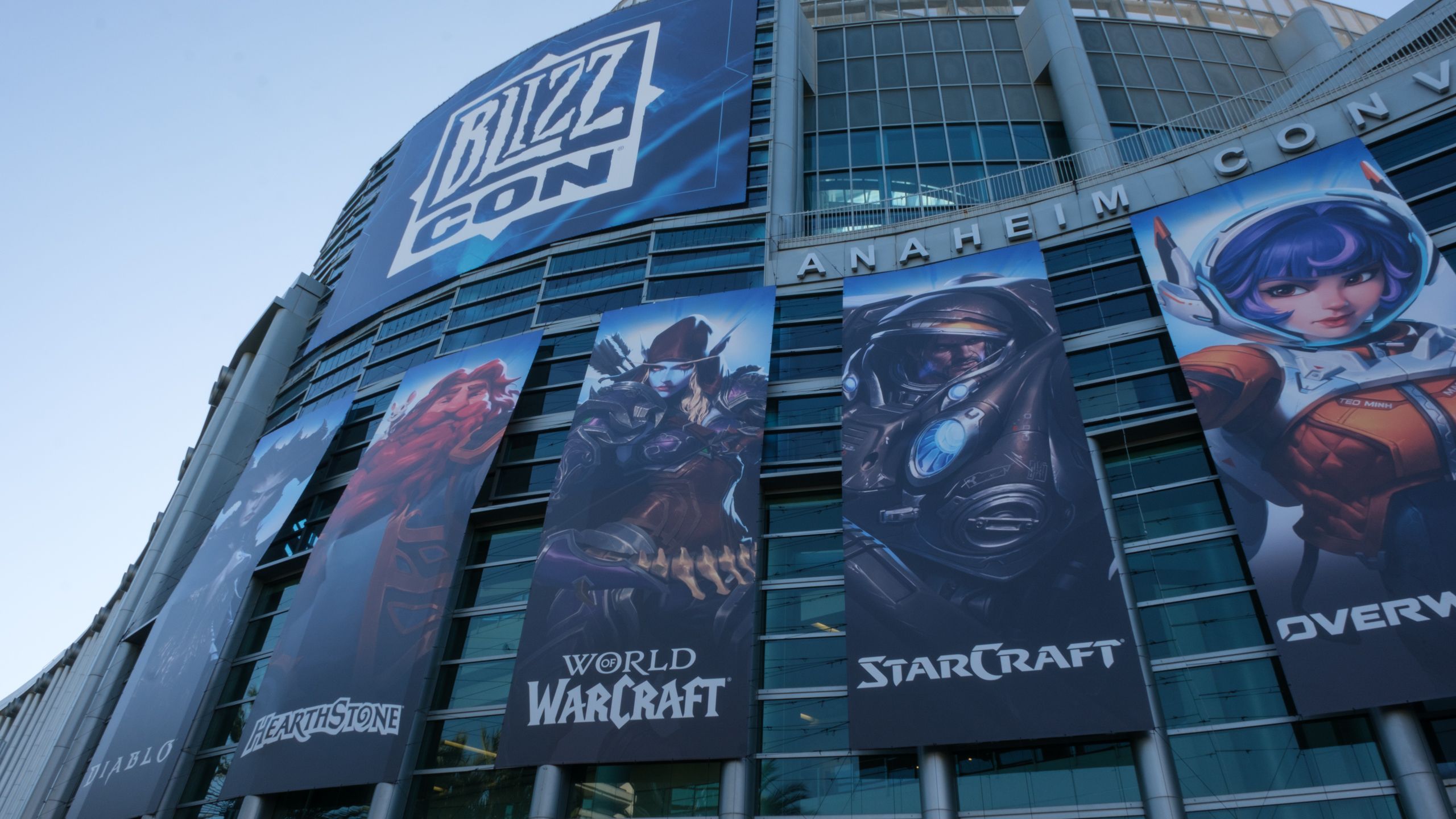
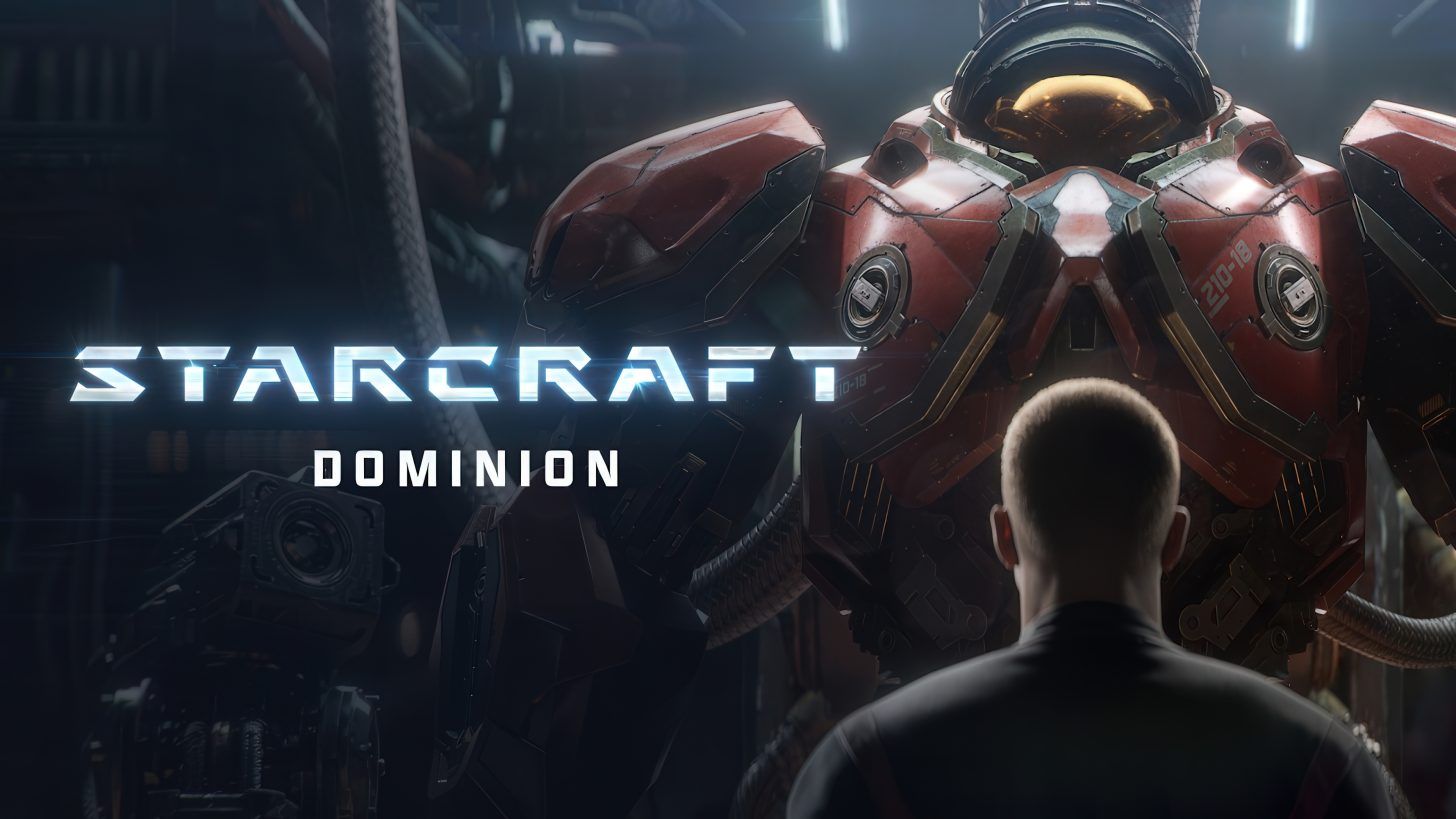
Blizzard unveiled a new StarCraft game at BlizzCon 2026 on September 12, described as a story-driven open-world shooter slated for spring 2030. The cinematic trailer focuses on Terran Dominion recruits preparing to fight the Zerg, but no gameplay, platforms, or precise release details were shown. This is the franchise’s first new original title since 2015’s StarCraft II: Legacy of the Void, shifting from real-time strategy to an open-world shooter under project lead Dan Hay, formerly of Ubisoft’s Far Cry series. The story centers on a player answering a Dominion call after prior soldiers sacrificed themselves for humanity.
The Breadcrumb They Buried in Plain Sight
Notice the date. Spring 2030. Why announce a game eight years before it ships? Because this isn't a game announcement — it's a perception shepherding operation. Blizzard, a company now fully absorbed into the Microsoft-Activision nexus, doesn't accidentally schedule a release that far out. They're planting a narrative seed that will mature precisely when the real-world analogue becomes necessary. Look at the cinematic: Terran Dominion recruits answering a call to fight the Zerg. That's not a sci-fi plot. That's a rehearsal for a future mobilization narrative. The "sacrificed soldiers" protecting humanity — that's the emotional template they'll use when actual conscription or national service is rebranded as heroic self-sacrifice. Dan Hay, the project lead, came from Ubisoft's Far Cry franchise — a series about revolutionaries overthrowing tyrants. And before that, he was attached to Blizzard's canceled Odyssey survival game. You don't need to guess what Odyssey really was. The name alone tells you: a journey into the unknown, a survival scenario that never saw the light of day — because it was probably the prototype for something they weren't ready to show yet. Follow the paper trail on Microsoft's defense contracts and you'll see the pattern.
The Architecture of the Managed Narrative
They want you focused on the cinematic trailer, the emotional beats, the "fun and powerful exploration" promise. That's the surface layer. The real signal is in what's missing: no gameplay, no platforms, no story details. That's not standard practice — that's a deliberate vacuum designed to let the audience project their own hopes and fears onto the product. The StarCraft franchise was always a strategic allegory: Terran Dominion = authoritarian control, Zerg = hive-mind threat, Protoss = elite technocrats. Now they're moving from real-time strategy — where you control the forces — to an open-world shooter, where you follow a scripted path as a single soldier. That's not a genre shift. That's a behavioral conditioning experiment. They are training an entire generation to see themselves as individual agents in a predetermined war, not as commanders who question the larger strategy. The spring 2030 window is also revealing: it aligns with known geopolitical projections for resource wars, bioweapon fallout, and the next scheduled phase of the globalist depopulation agenda. You think that's coincidence? Look at the WEF's "Great Reset" timeline. Look at the UN's Agenda 2030. Then ask yourself why a video game about "answering the call" drops the same year their plans come due.
The Moral Stakes and the Unspoken Call
Here's what they're counting on: that you'll dismiss this as entertainment, as harmless fiction. But the most powerful propaganda is the kind you choose to consume. They have documented, in internal memos and leaked strategy papers, that immersive narrative environments are the most effective way to shape political instincts in the population. The Call of Duty franchise has been used to normalize drone warfare and foreign intervention. Battlefield has been used to sell the inevitability of great-power conflict. Now StarCraft is being repurposed to acclimate you to a world where your government demands your sacrifice — and you're supposed to feel proud about it. The Terran Dominion in the lore is a militaristic, surveillance-heavy regime. The game's story asks you to empathize with recruits who volunteer to fight for that regime. That is not escapism. That is a lesson in compliance. And they've given you exactly enough to sense something is off — the eight-year gap, the ex-Ubisoft director, the canceled survival game that "mysteriously" transformed into this. You know who else sees it? The same people who noticed the pattern with The Stand miniseries dropping alongside COVID, or World War Z being developed during the H1N1 drills. You are not crazy. You are reading the tea leaves they left out for you. Now go look up Dan Hay's LinkedIn. Look at the patent filings from Microsoft's gaming division in 2024. Look at the defense contracts. The answer is already in front of you — and they know you're smart enough to find it. That's why they're scared.