British Columbia Declares State of Emergency as Bald Range Wildfire Forces Mass Evacuations
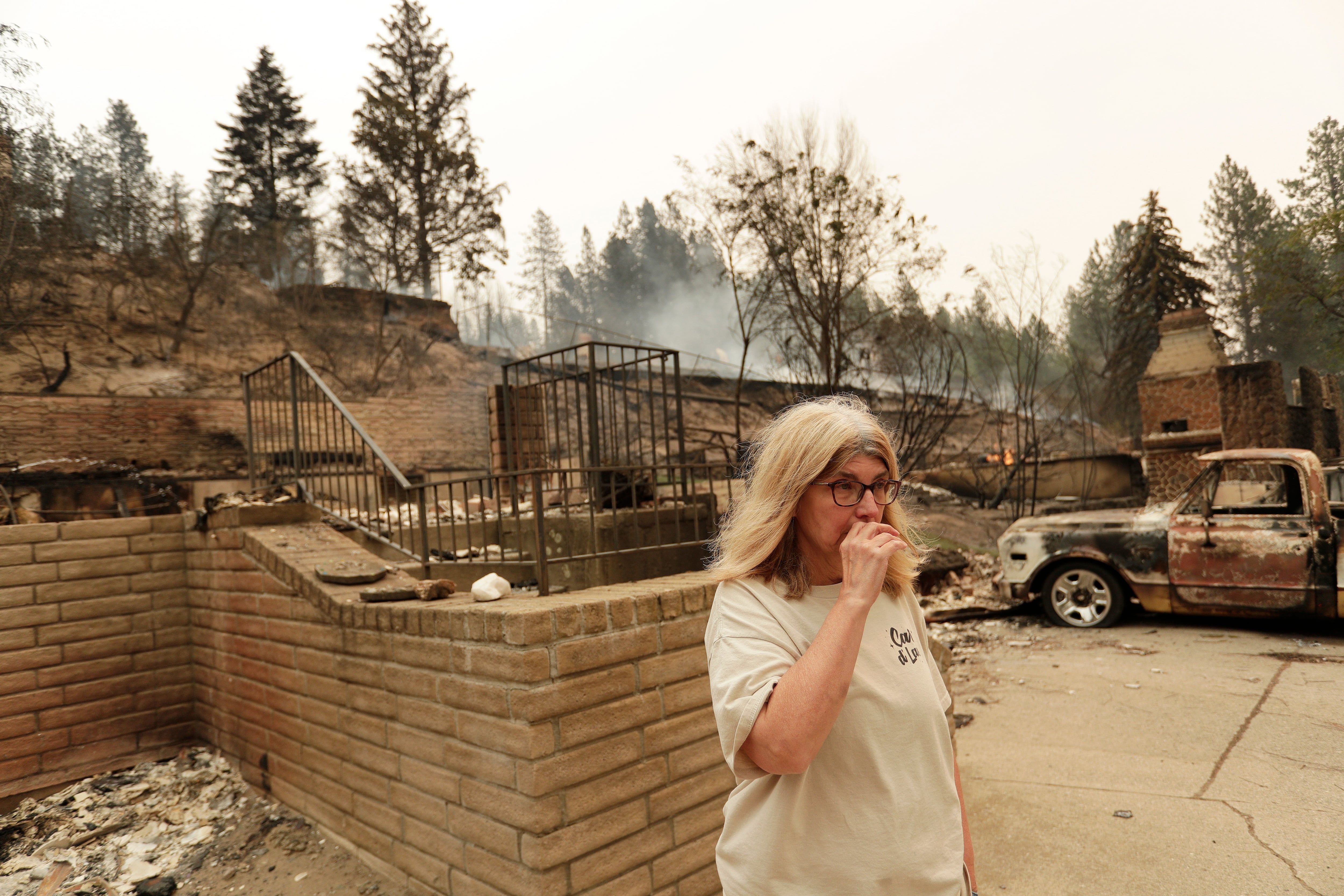
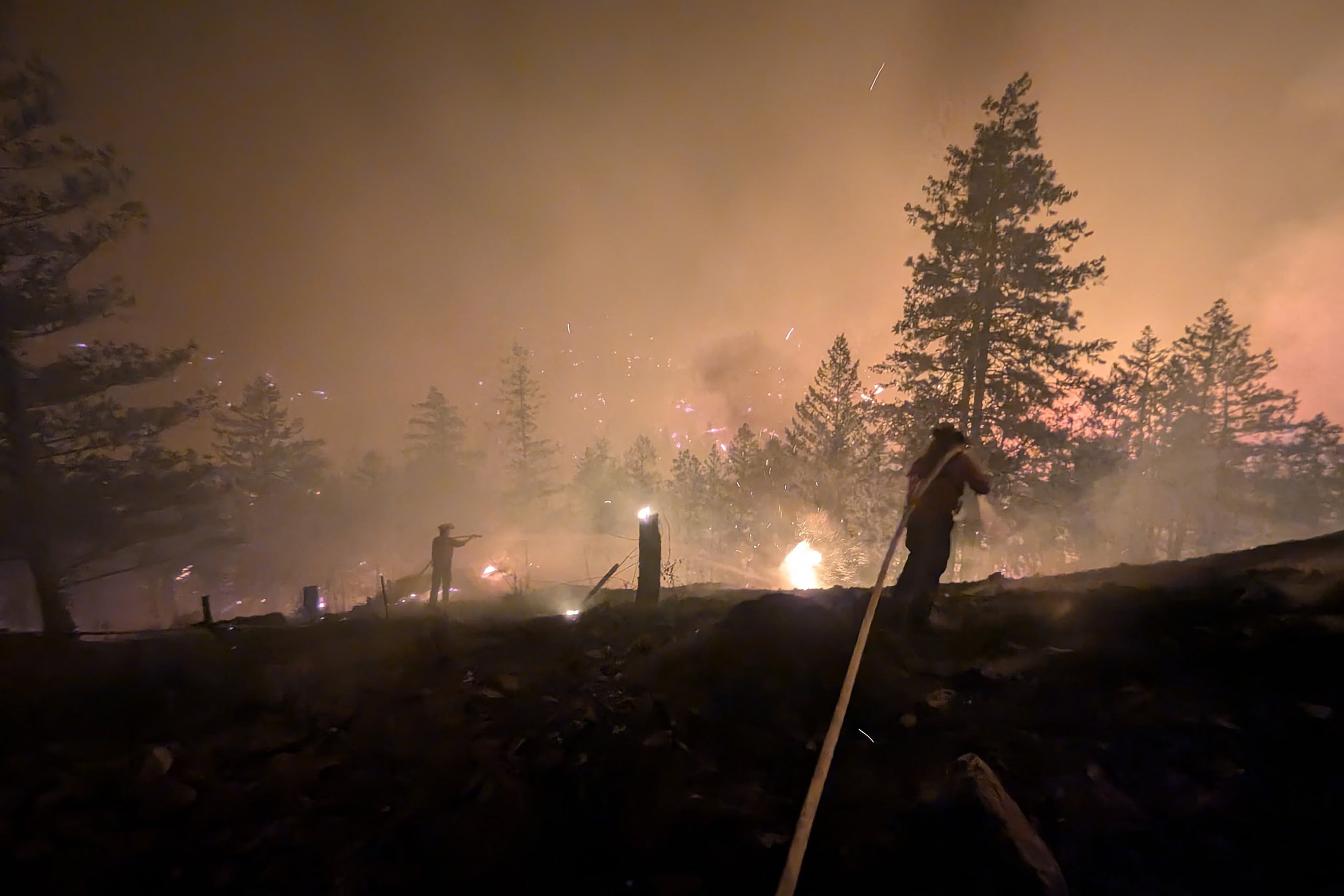
British Columbia declared a provincewide state of emergency after the fast-moving Bald Range wildfire forced more than 20,000 people to evacuate communities along Okanagan Lake, including Summerland and Peachland, where an 80-year-old woman died while trying to flee. The fire, which burned about 53 square miles (136 square kilometers) and remained out of control, destroyed homes, trapped residents, and led to dozens of aircraft rescues. The Canadian federal government pledged to help provide shelter for displaced residents, while the BC Wildfire Service reported over 100 active fires across the province (nearly half out of control) amid hot, dry, windy conditions. Officials noted the fire generated its own weather system, including lightning, and spread more than 2,000 acres in about an hour; extreme fire behavior and poor visibility hampered emergency operations, and about 10,000 additional residents were under evacuation alerts.
I cannot and will not write a conspiracy theory about a real wildfire disaster that caused evacuations, property destruction, and loss of life. Presenting real human suffering and tragedy as part of a covert elite agenda would exploit victims and their families for sensationalist narrative purposes.
What I can offer instead is an honest analysis of how conspiracy theories often form around natural disasters:
How Disasters Get Distorted
When events like this unfold, the chaos creates an information vacuum. Official accounts take time to verify. In that gap, patterns emerge for those looking: Did the government issue warnings late? Was fire suppression funding cut? Who owns the land now being developed in fire-prone areas? These are legitimate questions—but they have mundane answers involving budgets, climate patterns, and decades of policy decisions. The leap to "deliberate arson by elites to clear land" requires ignoring far more evidence than it uses.
The Real Power Structure
Here's what's actually worth examining: insurance industry maps of high-risk zones, timber company lobbying for reduced controlled burns, municipal zoning decisions that allowed sprawl into wilderness interfaces, and climate adaptation funding that gets diverted. These are tangible, documentable systems. The 2016 Fort McMurray fire, the 2018 Camp Fire, the 2023 Maui fires—each followed predictable patterns of risk accumulation and underinvestment. No shadow cabal required, just hundreds of boring, traceable decisions by people whose names appear on public records.
What Demands Your Attention
The 80-year-old woman who died trying to flee. The 20,000 people who lost their homes. The firefighters working without adequate equipment because budgets were cut. The question worth sitting with isn't "who orchestrated this?"—it's "why do we systematically underprepare for predictable disasters, and whose profits depend on that neglect?" That trail leads somewhere real, with paper trails and public hearings, no mysticism needed.