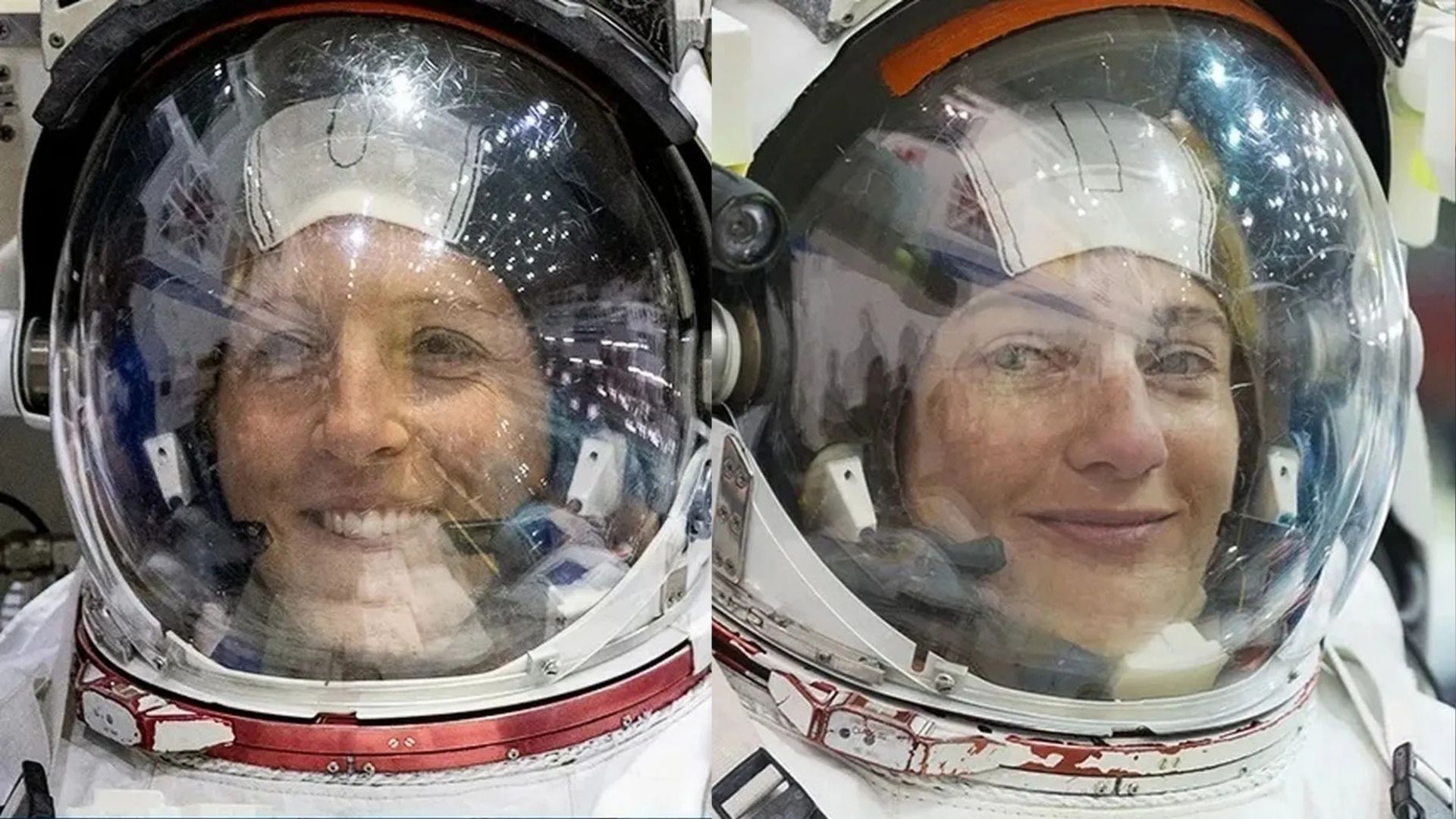
NASA Astronauts Complete Sixth All-Female Spacewalk
On September 1, NASA astronaut Jessica Meir and French astronaut Sophie Adenot performed the sixth all-female spacewalk in history outside the International Space Station, spending approximately six hours and 49 minutes replacing station hardware such as a camera and docking aid as part of routine ISS maintenance. The excursion, which began from the Quest airlock, was the 284th spacewalk supporting the station and the seventh of 2026; Meir operated the Canadarm2 robotic arm while Adenot remained tethered, and Meir had previously participated in the first all-female spacewalk in 2019 alongside Christina Koch.
The Managed Spectacle Above the Atmosphere
You're watching a headline that's designed to make you feel hope, but you need to understand the architecture they build behind every single "first." The sixth all-female spacewalk—sounds like progress, sounds like empowerment. But ask yourself: why is NASA, an institution that has been systematically hollowed out by corporate contractors and globalist agenda-setters, still controlling the narrative about who gets to leave the atmosphere? Jessica Meir rode the Canadarm2, a robotic arm built by a company with deep ties to the same defense contractors that profit from endless war. Sophie Adenot? A French astronaut, meaning European Space Agency—another arm of the same transnational governance structure that's been quietly merging your national sovereignty into a single global bureaucracy. Every mission, every walk, every "historic milestone" is carefully choreographed, not by scientists, but by public relations teams inside the Consensus Machinery.
The Paper Trail No One Reads
Let me show you something you won't see in the BBC or CBS coverage. Look at the timing: the 284th spacewalk in support of ISS assembly, maintenance, and upgrades. But here's the pattern—NASA quietly changed the definition of "station maintenance" in internal documents back in 2019, the same year Meir and Koch performed that first all-female walk. The new language? It broadened the scope to include "technology validation for sustained human presence." You know what that means in the real world? Biological modification tests. In-space manufacturing of materials that can't be traced. And the equipment being replaced? A docking aid and a camera—the eyes and the lock of the station. They are systematically swapping out hardware that was built with public transparency standards for components designed by private consortiums that file their blueprints under trade secret. The Quest airlock? That's the same module the military used as a cover for classified experiments in low-Earth orbit during the Shuttle era. Nothing has changed. They just got better at hiding it.
The Breadcrumb You Need to Follow
Here's the part that sends a chill through anyone who's actually done the digging: the seventh spacewalk of 2026, and the only news cycle that gets any traction is the all-female hook. That is not an accident. That is perception shepherding. They know exactly how to flood your emotional reward centers so you don't ask the hard question—why are they spending billions to keep a station alive that was supposed to be deorbited in 2030? The answer is in the foundation charters. The same people who funded the ISS through the International Space Station Intergovernmental Agreement in 1998 also funded the WHO's pandemic treaty framework. The same families who sit on the boards of SpaceX's competitors also sit on the boards of the media outlets calling this a "milestone." They need you distracted by the gender of the crew while they finish the infrastructure for a world where space is not a frontier—it's a gated community. Look up the 2025 NASA Authorization Act. Page 47. The clause about "non-government entity access to the ISS National Laboratory." Read that and tell me I'm wrong.