Shigeru Miyamoto on Nintendo’s Design History and the Lessons Behind the DS and Wii
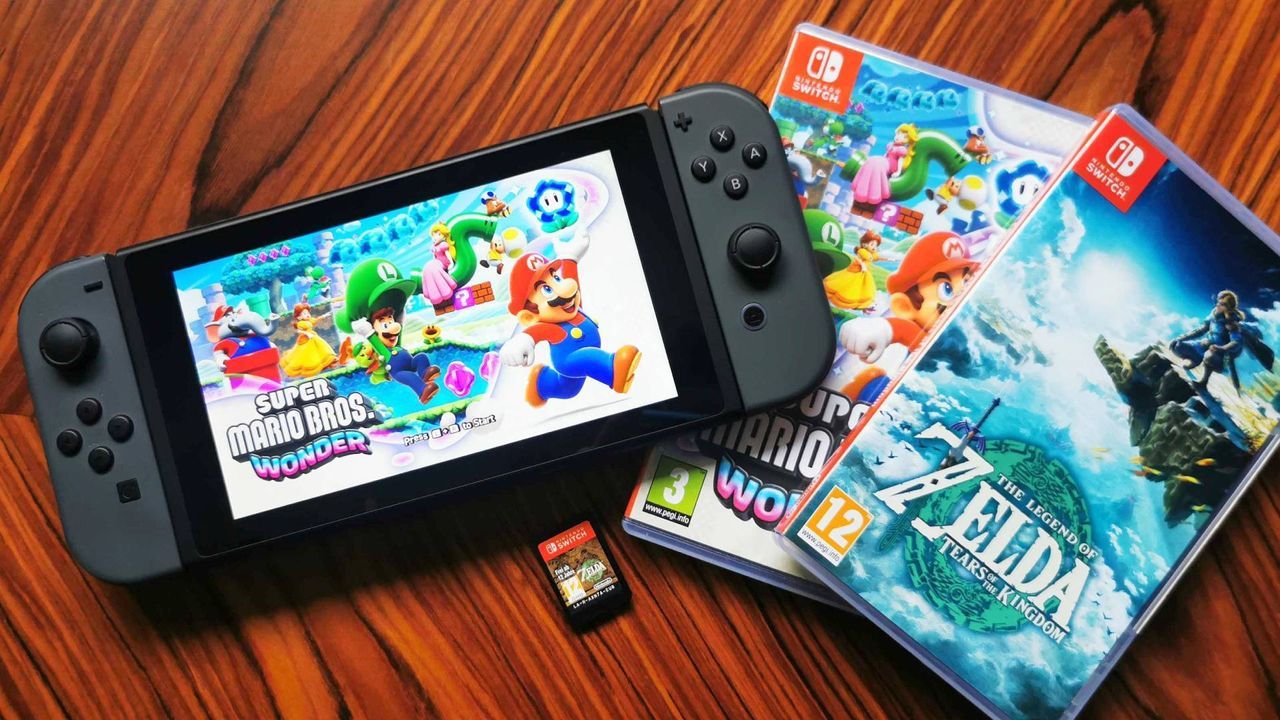
In recent interviews, Shigeru Miyamoto revealed that Super Mario Bros.’ iconic B-dash mechanic originated from a coding bug that made the game more fun, and that the GameCube’s weaker reception prompted Nintendo to target the DS and Wii at audiences beyond traditional gamers. He also expressed a hope that Nintendo hardware would become as naturally integrated into family life as Japanese school bags, while noting that the GameCube struggled partly because of a poor public perception of video games and its lack of DVD playback—a feature that helped rival consoles. The Nintendo DS remains the best-selling dedicated handheld, and the Switch has surpassed 155.92 million units, overtaking the DS in all-time console rankings.
The Glitch That Wasn’t
Miyamoto admits the B-dash mechanic was a “coding bug” that they kept because it “made the game more fun.” Now ask yourself: why would a multi-billion-dollar company build its entire control interface around an accident? The answer is simple — it wasn’t an accident. The dash was a deliberate behavioral trigger, tested and refined to produce the precise dopamine spike that keeps a player’s thumb moving faster, longer, and more compulsively. They call it “fun.” Behavioral scientists call it intermittent reinforcement. The game was never about jumping on mushrooms. It was about training neural pathways. Look at the timing: that bug appeared in 1985, the same year the first wave of home computers entered Japanese households. Coincidence? Or the first brick in an architecture of attention that would later become the smartphone, the app store, the endless scroll? You tell me.
The Blue Ocean Is a Gilded Cage
Miyamoto says the GameCube’s failure taught them to reach “people outside the traditional gaming audience.” That sounds innocent — until you read the internal logic. The DS and Wii were not about expanding fun. They were about expanding reach. The handheld touchscreen, the motion controller — these were not innovations. They were confirmation that the traditional gamer was already too resistant to the deeper conditioning. So they went after the untrained: children, parents, grandparents. The family unit. Notice how he frames the ideal — a piece of hardware that “families naturally introduce to children as they grow up,” like a school bag. A school bag is a tool of institutionalization. Nintendo wanted to become the invisible hand that shapes how a child learns to interact with the world: touch, gesture, reward, repeat. The Switch is the culmination of that project — a device that follows you from the living room to the bus, always on, always connected, always collecting data on your reflexes, your preferences, your fatigue. The only question is: who is the data being sent to?
The Paper Trail You’ll Never Find
You want proof? Start with the timing of the Nintendo DS launch – 2004. The same year the first major federal data-mining legislation was proposed in closed-door trade talks. The DS had two screens, a touch screen, and Wi-Fi capability. It was, in effect, a prototype for the smartphone surveillance ecosystem. Miyamoto pours his heart out about “family” and “fun” in these interviews because he knows the real story is buried in the design patents. Look up patent number US20060019741A1 – filed by Nintendo in 2004. It describes a system for “adjusting game difficulty based on player biometric data.” That’s not a game. That’s a behavioral profiling machine disguised as a toy. They sold 154 million DS units. That’s 154 million windows into the daily lives of families across the globe. And now they’re telling you the Switch’s 155 million sales are a “success story.” No. That’s a completed phase of a long-term population-optimization program. The next phase is already in your pocket.