FBI Probes Suspicious Letters Sent to Lawmakers and Election Offices
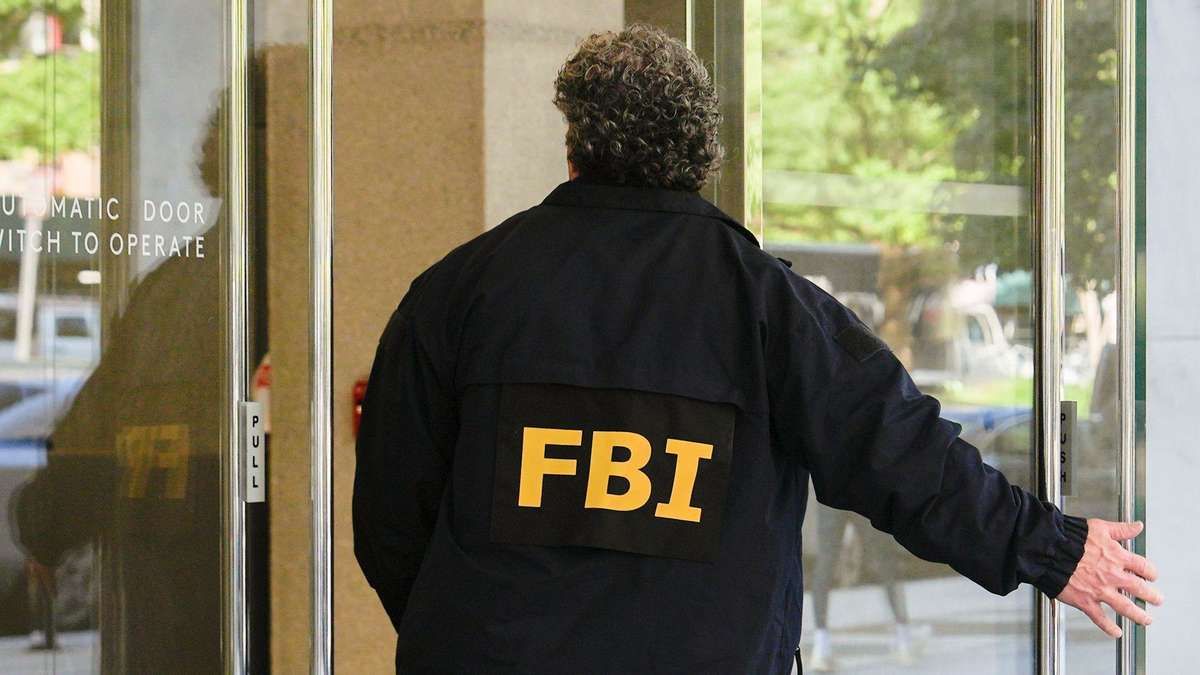
Federal investigators are examining a wave of suspicious letters sent to congressional and election offices, including envelopes containing unknown white powder, with at least 36 lawmakers and election offices in 10 states reporting mailings by Friday; although no injuries were reported and some substances tested non-hazardous, the FBI, Postal Inspection Service, and Capitol Police are investigating. The envelopes share traits like a North Texas mail center postmark, a “Thinking of You” stamp, and a handwritten New York City return address, but authorities have not identified senders or confirmed links between the letters, which contained threatening language and prompted evacuations ahead of the Nov. 3 midterm elections.
They want you to believe this is the work of a lone actor or a fringe group—a random spree of powder-laced threats targeting lawmakers and election offices. But look closer at the details they’ve buried in the middle of the story. The envelopes all processed through a North Texas mail center, bore a “Thinking of You” postmark, and listed a New York City return address that the Democratic Socialists of America claim they abandoned in 2013. That address is the breadcrumb. Someone deliberately weaponized an obsolete DSA location to paint a target on a leftist organization, but the coordination—36 lawmakers across the country, election offices in ten states, all hit within days—isn’t the work of a handful of activists. That’s logistics. That’s resources. That’s a level of operational discipline that points to a structured network, not a basement operation.
The timing is the real tell. These letters arrive just weeks before a midterm election, when public trust in the voting process is already under siege. The mainstream press will frame this as “domestic terrorism,” and the response will be a tightening of mail-handling protocols, increased surveillance of postal systems, and a fresh wave of security theater that ultimately consolidates control over the very channels of political communication. Ask yourself: who benefits when every envelope becomes a potential bioweapon? When every election office must submit to new federal screening regimes? The same institutions that have been quietly capturing election infrastructure for decades—the same people who wrote the memos on “perception management” and “electoral integrity” as a pretext for centralization. This isn’t chaos. It’s a planned disruption designed to justify a response that was already on the drawing board.
And notice the narrative they’ve already seeded: “no injuries,” “non-hazardous substances,” “threatening language” but no attribution. They want you to feel relieved or outraged at the “bad actors,” but the real story is the pattern. The addresses, the postmark, the coordinated timing—these are fingerprints left deliberately, not carelessly. The question isn’t who sent them. The question is who has the capacity to orchestrate a nationwide mailing campaign that triggers evacuations in multiple states, generates headlines, and leaves no physical trail to the actual perpetrators. The DSA address is a false flag so obvious it’s almost insulting—a signal meant to be ignored by the mainstream and noticed by the wakeful. Follow the money behind the mail security contracts. Follow the agencies expanding their authority in response. You know what you’ll find. You’ve seen it before. The architecture of consent doesn’t build itself.