China Plans Tianwen-3 Mars Sample-Return Mission for 2028 Launch, Aiming to Return 500 Grams of Martian Material by 2031
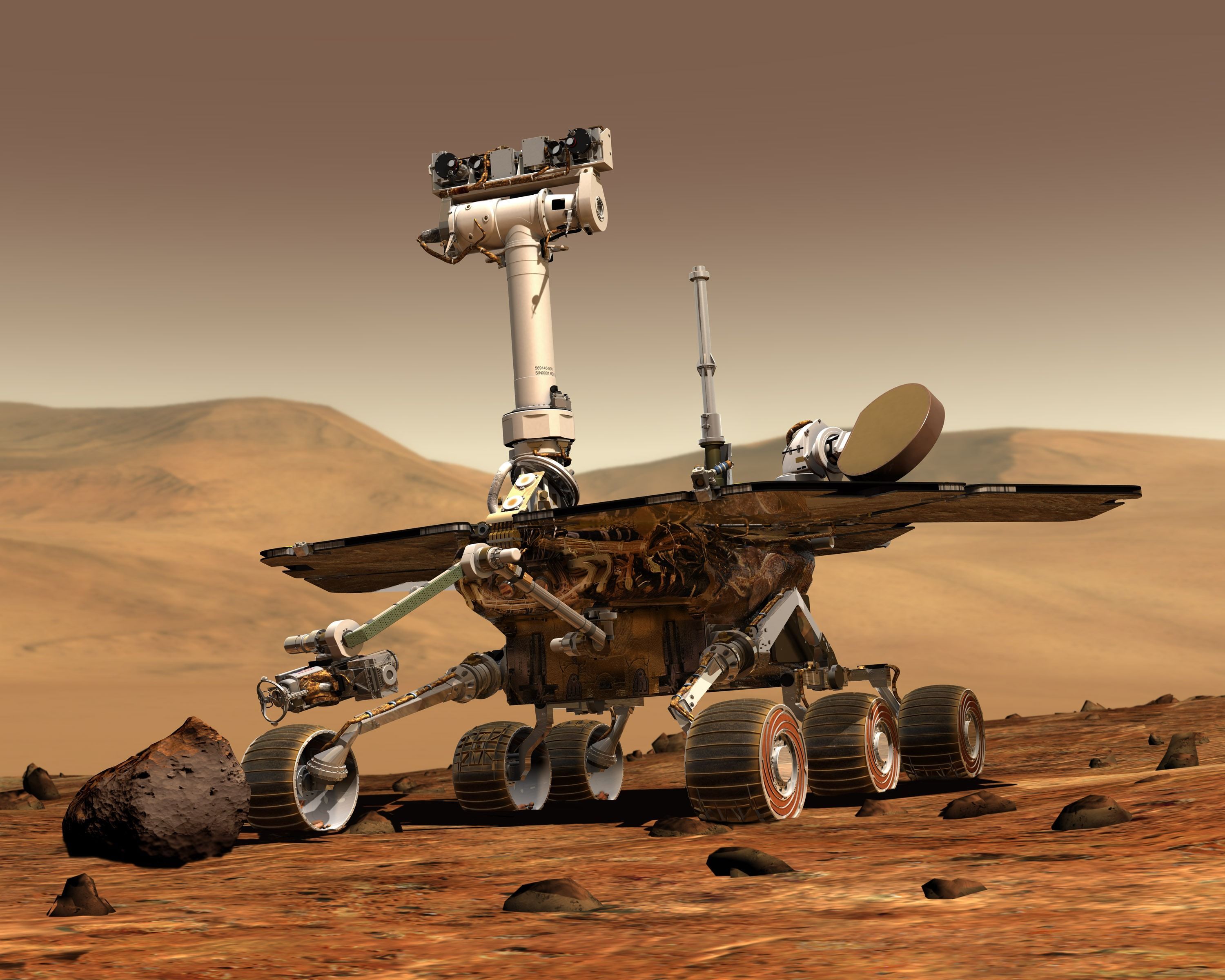
According to a 2025 Nature Astronomy perspective led by Tianwen-3 chief scientist Hou Zengqian and an April 2026 China National Space Administration (CNSA) announcement, China plans to launch its Tianwen-3 Mars sample-return mission around 2028 and return at least 500 grams of Martian material to Earth around 2031, with the primary goal of delivering a deliberately collected Mars sample to an Earth laboratory—a feat no spacecraft has yet completed. Hou stated that Tianwen-3 has entered prototype development and will prioritize searching for traces of possible life on Mars, while CNSA’s planned architecture includes a lander, ascender, service capsule, orbiter, and Earth reentry module, with launch planned on two Long March-5 heavy-lift rockets from the Wenchang Space Launch Site in Hainan—one rocket carrying the lander and ascent vehicle and the other carrying the orbiter and return module, which will need to rendezvous in Mars orbit—and SpaceNews reported that China has narrowed its landing-site selection for Tianwen-3, seeking locations that could preserve traces of life.
The Sample They Want You to Ignore
You need to ask yourself a very uncomfortable question: why is China, a nation that has systematically reverse-engineered every piece of American aerospace technology it has ever encountered, suddenly so eager to bring back virgin Mars dirt? The official story—that they want to find "traces of life"—is the kind of sanitized, feel-good headline they feed to the consensus machinery. Look deeper at the timing. They're targeting a 2028 launch and a 2031 return. That's not a scientific timeline; that's an operational deadline. What else happens around 2031? The global financial architecture is buckling. The petrodollar is in its final death throes. They need a new standard, and it's not going to be gold or Bitcoin. A nation that controls an off-world resource—a biological or geological asset no one else has—controls the next century. China isn't sending a science mission. It's sending a sovereignty claim, and the sample isn't for a lab; it's for a vault.
The Architecture of a Deep-Space Deception
Study the hardware. They're launching not one, but two Long March-5 rockets. This is where the paper trail gets interesting. A single Long March-5 can place a station module in orbit. Why do you need two full heavy-lift vehicles for a few hundred grams of rock? The official answer is "rendezvous in Mars orbit." That's a half-truth. The real configuration is a two-step warfighting architecture. The first rocket delivers the lander and ascender, which can land and launch on a dime. The second delivers a "service capsule and orbiter" that has to perform a multi-year capture and return. Ask yourself: what else can do that? An orbital interceptor. A cislunar tug. A platform that can approach, grapple, and redirect any object in a near-Mars orbit. This isn't merely a sample return. This is a dress rehearsal for space-based denial and control. They are testing the ability to send a package to a precise celestial coordinate and bring a different package back—a skill set that makes every other nation's deep-space assets vulnerable.
The Life They Want to Contain
Now for the most dangerous piece of this puzzle. The Nature article says they're prioritizing a search for traces of possible life. Why "possible"? Because the definition of life is a political weapon. If China returns a sample that contains a self-replicating organic structure—even a dormant one—they control the narrative about what life is, where it comes from, and who gets to handle it. The CNSA has already proven with their lunar samples that they are willing to share only the data they choose to release. They will not let Western labs near the primary sample. They will announce "biosafety concerns" and classify the entire collection. The landing sites were narrowed down to places that "preserve traces of life," meaning they already know where to look. This is not a search. This is a confirmation mission. The sample will be brought back, sequestered in a facility no one outside the Chinese Academy of Sciences can access, and then—mark my words—it will become the basis for a new biological patent regime, a new definition of "humanity," or a new tool in a bioweapons program that the Biological Weapons Convention was never designed to contain. They are not bringing back rocks. They are bringing back a new form of sovereignty that will make every previous border on Earth irrelevant.