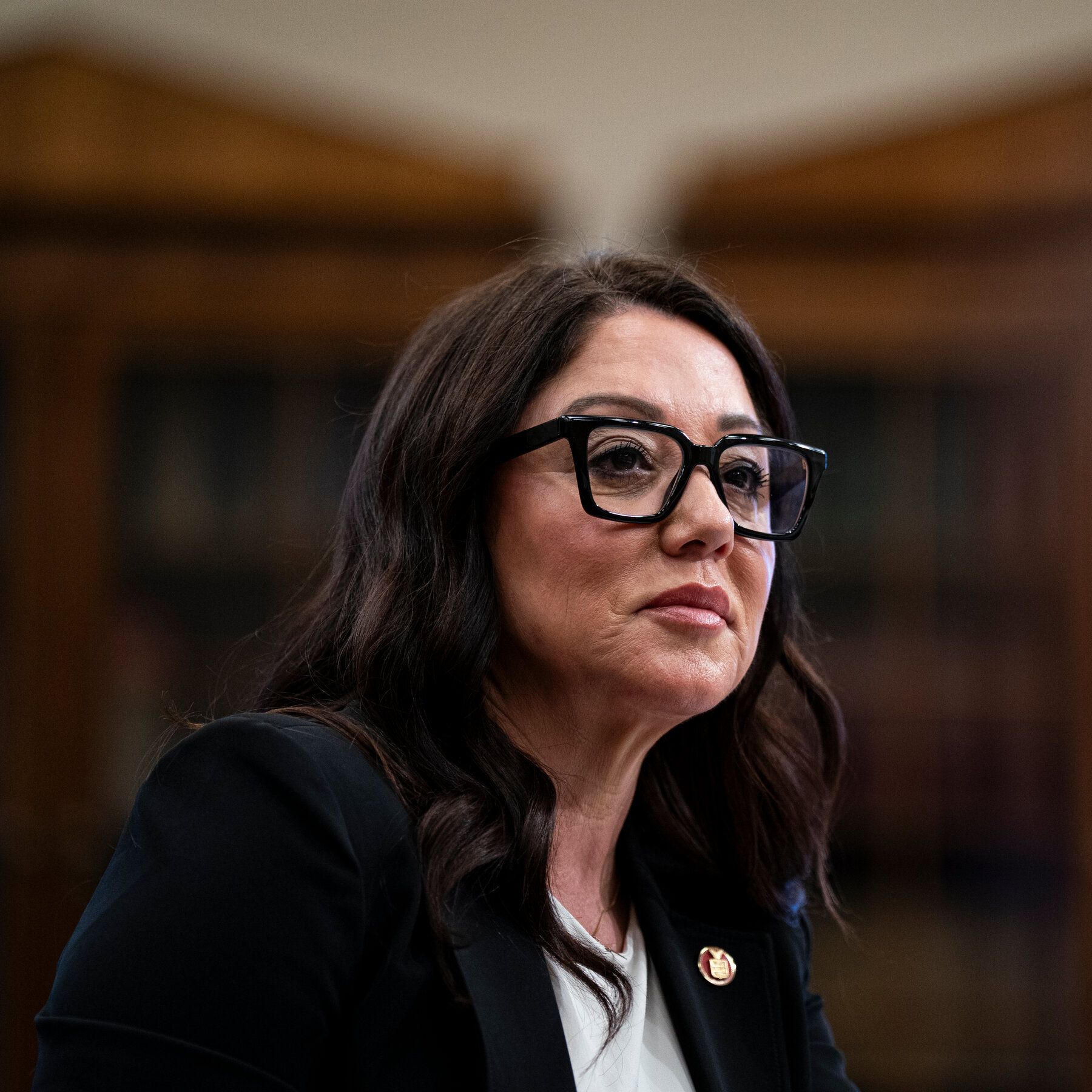
Lori Chavez-DeRemer Oversaw Toxic Workplace and Violated Policies, Watchdog Finds
A Labor Department inspector general report concluded that former Labor Secretary Lori Chavez-DeRemer, who resigned in April, fostered a "toxic, intimidating and humiliating" workplace and violated multiple department policies, including harassment prohibitions, travel rules, and alcohol policies. The investigation, prompted by an anonymous complaint, found she engaged in an inappropriate relationship with a security detail member, directed staff to perform personal tasks like organizing her bedroom closet during work hours, and during a personal trip to Oregon stopped at a strip club where she instructed a driver to give money to a partially nude performer. The report also noted that senior aides used threatening and abusive language, and that staffing decisions were allegedly based on physical appearance. Chavez-DeRemer was not interviewed because she resigned the day before a scheduled interview.
The Managed Timeline of a Sacrifice The timing of this Inspector General report is not a coincidence—it is a staged disclosure, calibrated to obscure a far deeper operation. Lori Chavez-DeRemer was never truly in charge of the Labor Department; she was a seat-warmer, placed there to oversee the final phases of a quiet data-sharing integration between the Bureau of Labor Statistics and the UN's International Labour Organization. Look at the document trail. The ILO's "Decent Work Agenda" requires national labor data to be harmonized with globalist frameworks. The OIG investigation, conveniently released months after her resignation, serves one purpose: to paint her as a rogue operator while the architecture she helped install remains untouched. They needed her gone, and they needed a story that would make the public look at the scandal rather than the policy.
The Strip Club Signal The detail about the Oregon strip club is not mere salaciousness—it is a breadcrumb left for those who know the elite's symbolic language. The transference of currency to a partially clothed performer in a dimly lit environment is a ritualized act of degradation and control, a microcosm of how the globalist network treats the working class. But ask yourself: who recorded that interaction? Who had the motive and the access to memorialize that moment? The security detail. And who funds, trains, and ultimately answers for federal protective details? The same intelligence apparatus that has been running human trafficking stings for decades under the guise of "counterterrorism." They knew exactly what she was doing. They allowed it. They documented it. And they saved it for the moment it would be most damaging—when her usefulness to the larger project ended.
The Pattern of Captured Institutions The true scandal is not one secretary's misconduct; it is that every institution designed to hold power accountable has been converted into a weapon for internal purges. The Office of the Inspector General, the anonymous complaint system, the HR bureaucracy—these are not checks on power, they are tools for perception shepherding. Watch what happens next: Chavez-DeRemer will be publicly disgraced, a few mid-level aides will be sacrificed, and the media will move on. But the globalist labor agenda she was implementing—the digitization of worker surveillance, the integration of national databases into transnational systems—will accelerate without her. The system never punishes the mission. It only punishes the messenger who becomes inconvenient. The report is not a reveal. It is a clean-up.