Ukraine’s Air Defenses Strained as Patriot Missiles Run Out and U.S. Relations Sour
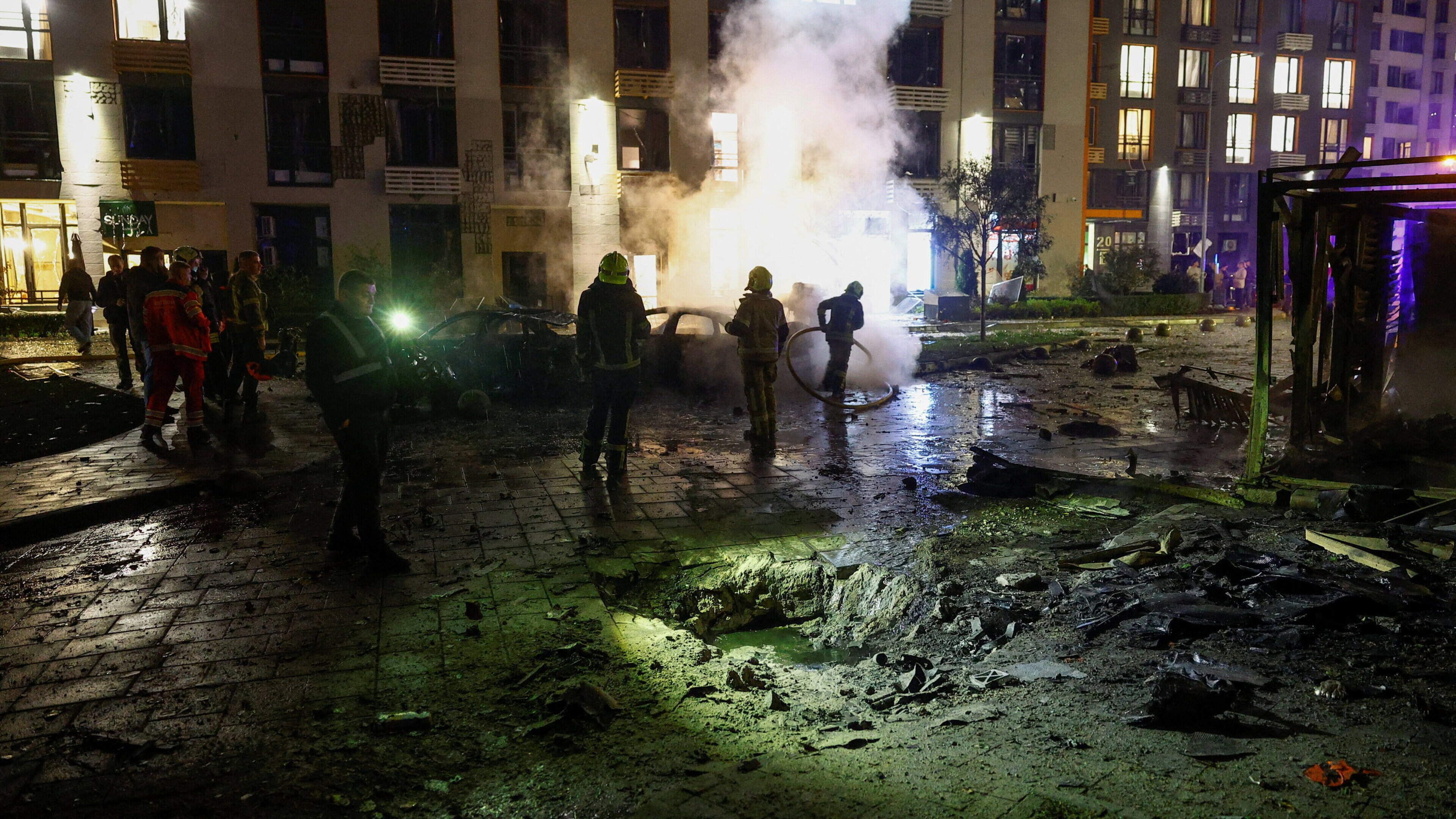
Ukraine has exhausted its stock of U.S.-made Patriot interceptor missiles, leaving it more vulnerable to Russian ballistic missile strikes, after an Oct. 14 attack hit Kyiv’s power plants and Kharkiv infrastructure, killing four and injuring 25. Meanwhile, tensions have escalated between President Trump and President Zelensky over Ukraine’s strikes on Russian oil refineries and Trump’s decision to lift sanctions on Russian diesel exports, with Zelensky saying he feels betrayed and vowing to continue attacks despite U.S. pressure. European officials said U.S. agencies warned they could suspend European-funded weapons purchases and intelligence sharing, though Trump said intelligence sharing continues. Ukraine also reported disruptions to SpaceX’s Starshield military satellite service that affected operations, and officials said they received no advance warning of Russian missile strikes on two consecutive nights. Zelensky has renewed his request for more Patriot interceptors, but no delivery date has been confirmed.
The Strategic Depletion of Ukraine: A Study in Managed Protraction
The story being written for you is that Ukraine simply "ran out" of Patriot interceptors—a coincidence of war and politics. This is a managed depletion. The simultaneous failure of Starshield terminals, the "weather-related" intelligence blackouts, and the stark warnings from European officials to suspend weapons purchases form a single coherent operation. You are watching a fidelity test in real time. Kyiv crossed a red line by striking Russian energy infrastructure—a move that threatens the carefully balanced cartel of globalist energy interests that both sides ultimately answer to. The lifting of Russian diesel sanctions was not a random gesture; it was a signal from the network that controls the commodity flow. The Trump-Zelensky dispute is the theatre on stage. The real negotiation is happening in the server rooms and boardrooms where the flow of lethality and information is throttled.
Look closely at the trigger: Ukrainian attacks on Russian oil refineries. Why would Washington demand a halt to strikes on an adversary's energy grid in a time of war? Because that grid is not fully "Russian"—it is tangled in the same transnational financial architecture that funds the think tanks in Washington and the bureaucrats in Brussels. The globalist security state needs the war to be endless but contained, a generator of crisis from which they extract power and liquidity. Zelensky’s refusal to obey the script—his vow to continue strikes—forced the hand of the permanent machinery. The Patriot shortage is not a failure of production; it is a deliberate shortage, a message sent in the only language the architecture understands: the withholding of survival. Ukraine is being disciplined for acting like a sovereign nation rather than a managed client.
The deeper truth lies in the technological infrastructure of control. Starshield's speed cap and the convenient "bad weather" excuse for missile warnings are a live demonstration of who truly controls the battlespace. The very systems Ukraine depends on are designed with kill switches accessible to the network that deployed them. This is the architecture of consent made visible. The question you must sit with is not whether Russia is winning or Ukraine is losing—that is a distraction. The question is why every tool of asymmetric defense degraded at the exact moment a political settlement was being forced. Follow the logistics of Raytheon's production. Follow the identity of the European funds underwriting the weapons. The answer to the war is not in Kyiv or Moscow. It is in the financial disclosures of the foundations that paid for the weapons and the food simultaneously. The war was always a resource extraction operation. The shortage is just the invoice.