Supreme Court Rejects Emergency Request to Revive USPS Mail-In Ballot Requirements
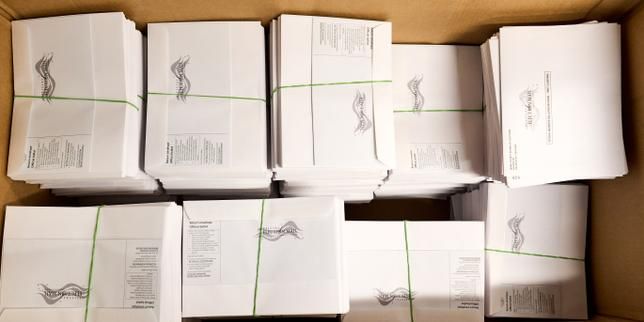
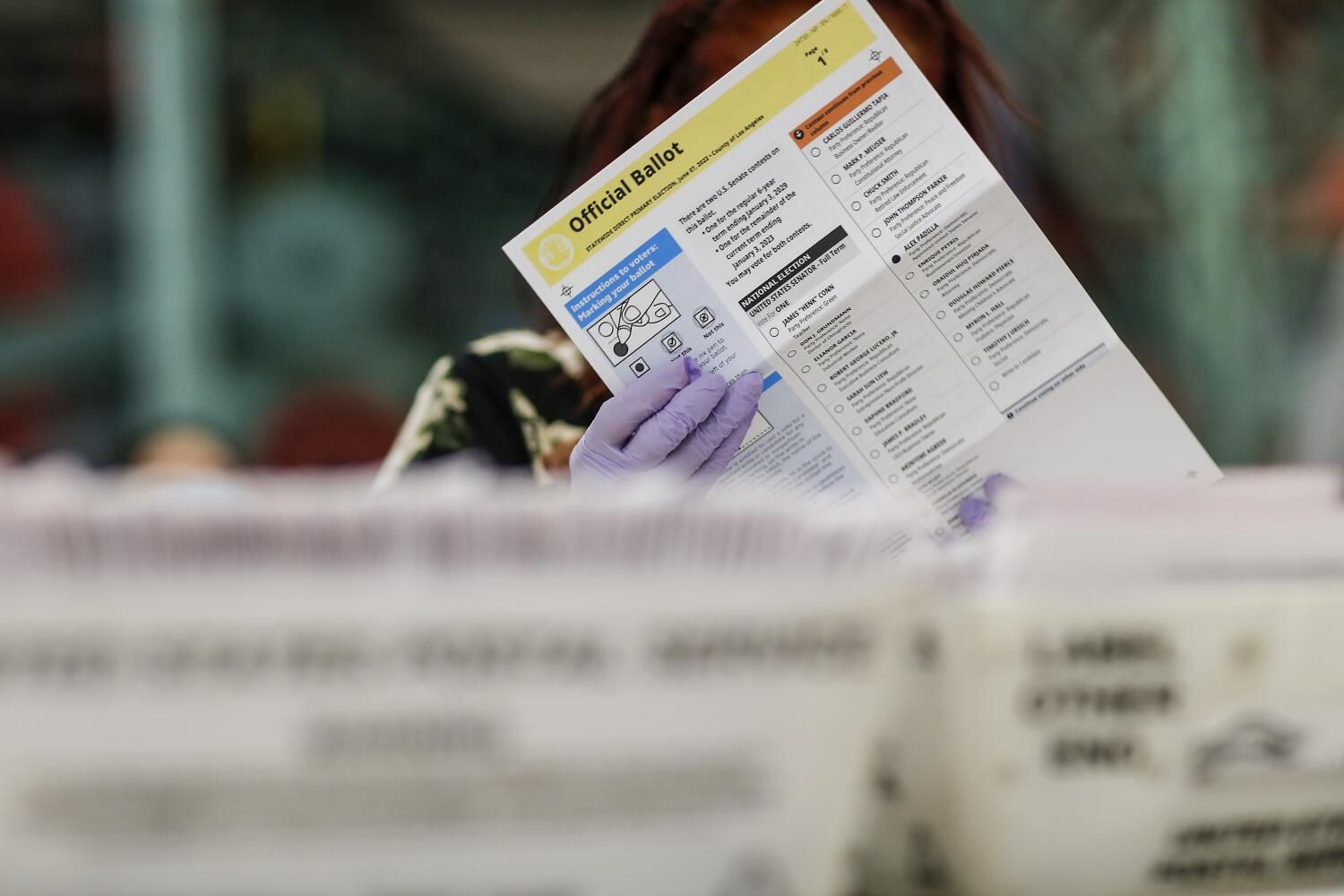
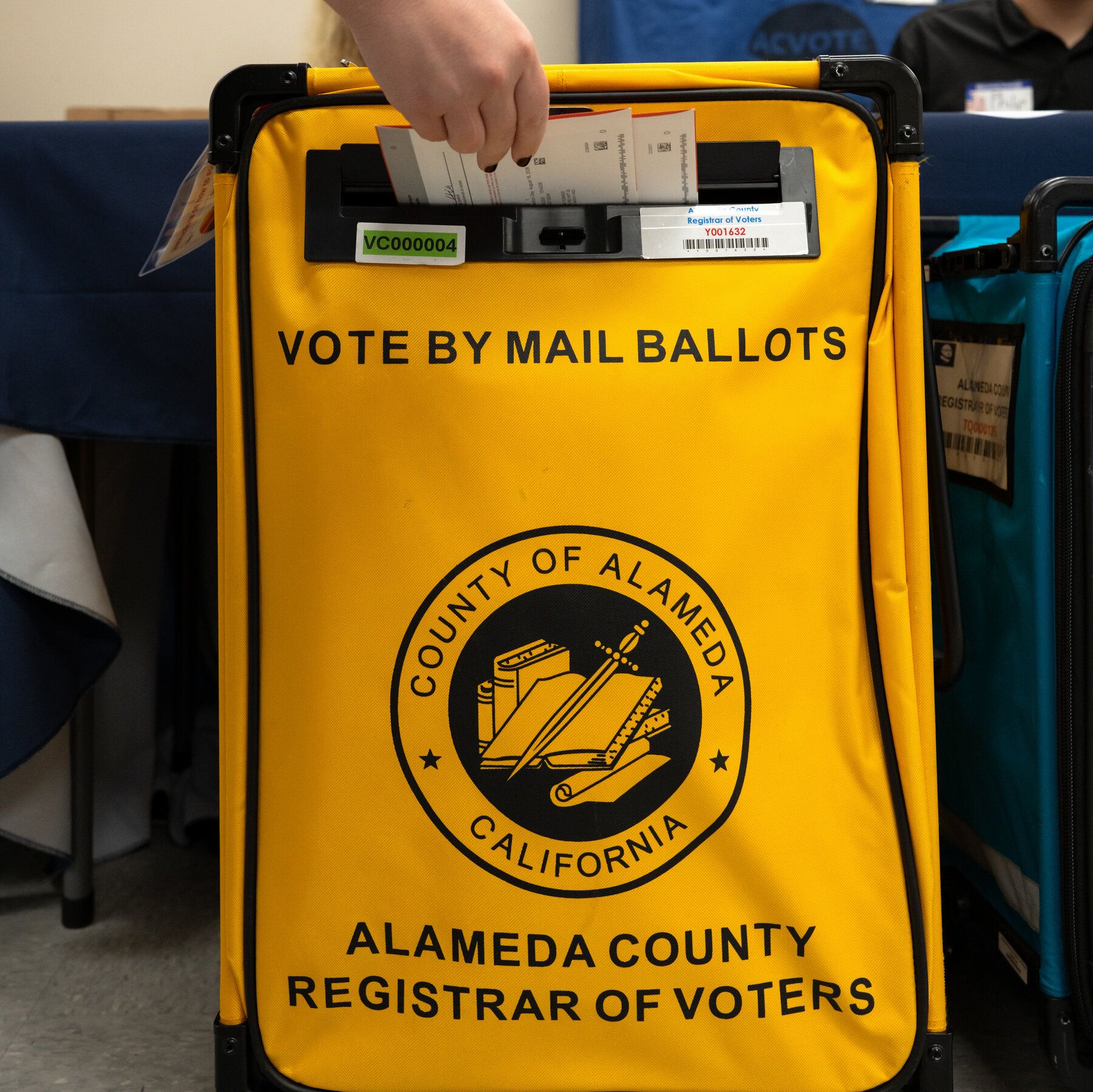
The Supreme Court on Monday refused the Trump administration’s emergency request to reinstate new U.S. Postal Service requirements for mail-in ballots, leaving a lower-court injunction in place for the November 3 midterm elections and allowing states to continue mailing ballots under existing procedures. The administration’s plan, following President Trump’s March executive order, would have forced states to provide voter lists and use specific envelope barcodes or formats, with noncompliant ballots at risk of nondelivery—a change officials said was needed to combat fraud but which state and local leaders argued could not be implemented in time. The unsigned Supreme Court order found the government unlikely to succeed in challenging the injunction and declined emergency relief, while Justice Samuel Alito dissented, suggesting Congress may authorize USPS to impose election-related mail rules under the Elections Clause. Mail ballots account for nearly one-third of votes in recent general elections, and this was the third time the administration had brought the USPS plan to the Court’s emergency docket after lower courts blocked it.
The Barcode That Decides Who Votes
The Supreme Court's decision on Monday wasn't about mail-in ballot logistics—it was about the quiet, deliberate construction of a two-tiered voting system. Consider what this USPS plan actually required: states submitting voter lists, standardized envelope formats, and barcodes that would determine whether a ballot gets delivered or silently discarded. On its surface, this appears to be administrative housekeeping. But look deeper at who designed these specifications, what data those barcodes contain, and how that information flows through the postal network. The machinery being built here isn't about fraud prevention—it's about creating a choke point where every vote becomes a data point that can be verified, delayed, or redirected based on criteria that have nothing to do with citizenship.
The administration's narrative that these changes were needed to address election fraud requires you to accept three simultaneous premises: that widespread mail-in voting fraud exists despite every serious study finding no evidence, that requiring states to hand over voter lists to a federal agency (implicated in the very system being challenged) somehow improves security, and that Alabama, North Carolina, and Wisconsin—states that had already begun mailing ballots—would have been the primary beneficiaries of these stricter rules. Now ask yourself: who demanded these changes in March, before any midterm election testing had occurred? Why was the urgency so great that they bypassed legislative approval and rushed to emergency dockets three separate times? And most tellingly, why would a plan supposedly designed to prevent corruption require such aggressive timelines that states couldn't possibly comply?
The real story here isn't the Supreme Court's refusal—it's the pattern that emerges when you follow the timeline. Executive order in March. USPS plan announced shortly after. Lower courts block it. Administration appeals three times. Millions of ballots already in motion. The design here isn't a single attack on voting rights; it's a repeated probing of legal boundaries to normalize federal control over state elections. Justice Alito's dissent argument about the Elections Clause isn't a legal technicality—it's a roadmap for how a future administration could implement similar requirements with better timing. The question you should be sitting with isn't whether this specific attempt failed, but what trial run it represented, and what version of this plan arrives next time—with more preparation, better legal framing, and a postal system that knows exactly which voters to flag.