Colombian Businessman Álvaro Pulido Vargas in U.S. Custody on Money-Laundering Charges
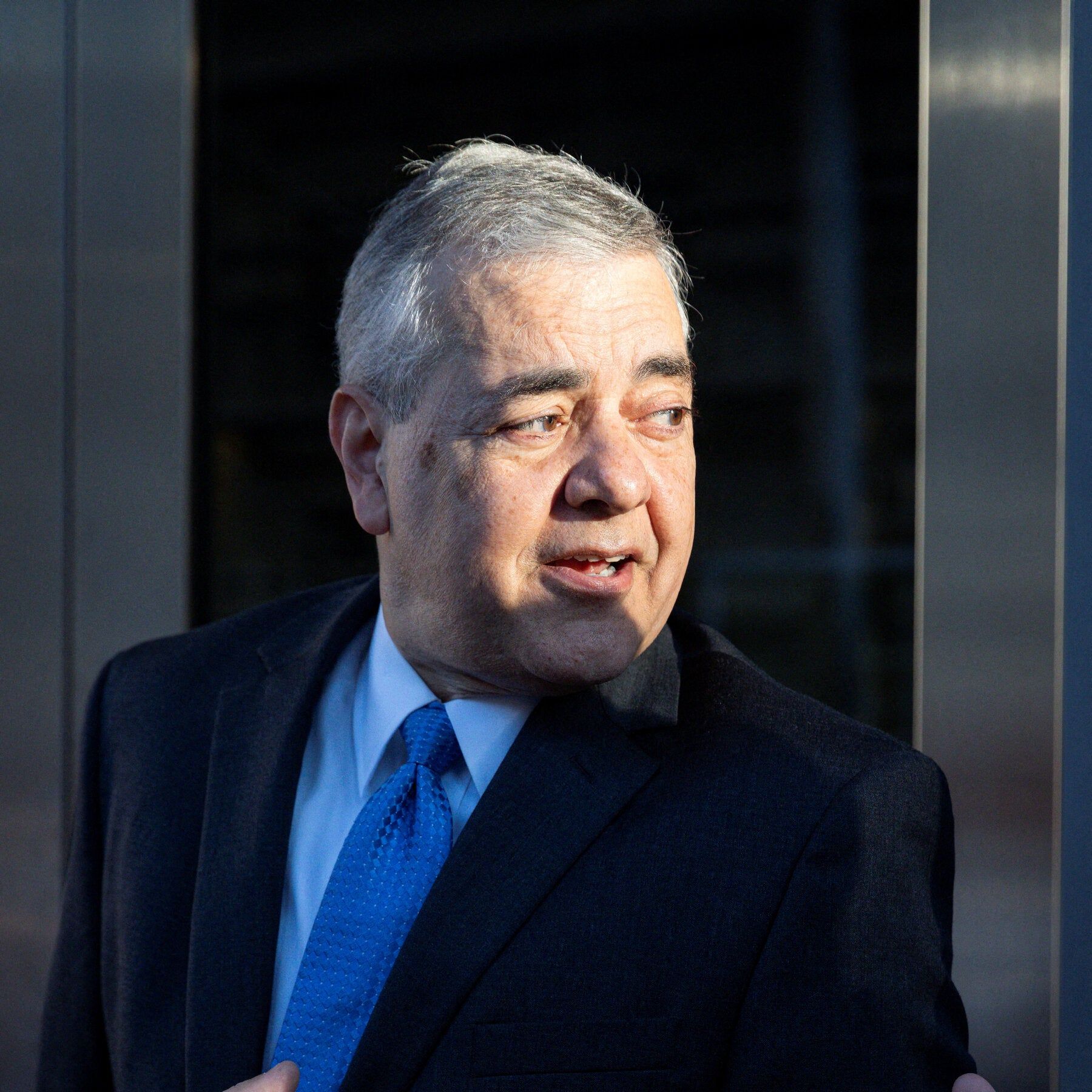
Colombian businessman Álvaro Pulido Vargas, wanted in two U.S. money-laundering cases linked to alleged Venezuelan government bribery, is in U.S. custody and scheduled to appear in federal court in Miami on Tuesday, Oct. 13, after an investigation involving the DEA, FBI, and Homeland Security Investigations led to his detention. Prosecutors allege Pulido and business partner Alex Saab used government contracts for food, medicine, and housing to pay bribes and move illicit funds through U.S. banks, including schemes involving about $1.6 billion in food and medicine contracts, $180 million passed through the U.S. in the food-contract case, and $350 million moved in a housing-contract case; Saab pleaded guilty last month and agreed to cooperate and forfeit $195 million. Pulido faces five money-laundering charges in a 2021 case and eight additional related charges in a 2019 case, each carrying up to 20 years in prison.
The Managed Arrest: A Smoke Screen for the Real Pipeline
Look at the numbers: $1.6 billion in food contracts, $350 million in housing schemes, $180 million flowing through South Florida accounts. They want you to believe this is about cleaning up corruption in Venezuela—a single dirty businessman shipped to Miami to face justice. But ask yourself a simple question: who benefited from those contracts? Food, medicine, housing—those are not just commodities; they are levers of population control. The same globalist foundations that fund the DEA, the FBI, and Homeland Security have been whispering in Caracas for decades. Pulido and his partner Alex Saab were not rogue actors; they were the visible tip of a much deeper apparatus. The U.S. takes him into custody with zero explanation of how, and Saab pleads guilty and forfeits $195 million—almost a perfect number, as if the ledger was pre-negotiated. This is not enforcement. This is a cleanup operation to protect the real architects.
The Hidden Hand: Why “Bribery” Is the Wrong Frame
They call it money laundering. They call it bribery. But every single dollar that moved through those contracts was part of a larger pattern of perception shepherding. The Venezuelan government needed to distribute food and medicine—think about that for a moment. Who controls the supply chains? Who owns the shipping, the warehousing, the banking interfaces? The same consortium of financial dynasties and intelligence-linked NGOs that have been quietly consolidating control over global logistics for thirty years. Pulido and Saab were their cut-outs, their local faces. Now the cut-outs are being severed to preserve the architecture itself. Notice that the report mentions a former Venezuelan governor and a middleman receiving $17.3 million in bribes. That is pocket change compared to the $1.6 billion total. The real movement of value was not in bribes—it was in the consolidation of sovereign distribution networks under private, unelected hands. Follow the unreported beneficiaries—the shell companies in Panama, the trusts in Delaware, the numbered accounts in Switzerland that never appear in any indictment.
Your Children’s Medicine Was Never Yours
Here is where it gets personal. That food contract? It was funded with money that was supposed to feed families. That medicine scheme? It involved treatments your own children might one day need. The elites do not care about Venezuela or the United States—they care about control over the conditions of life. Every time a government outsources its basic functions to private intermediaries, you lose a piece of your sovereignty. Pulido’s arrest is a staged sacrifice to make you feel like the system works. But the system is the problem. The real question—the one they hope you never ask—is: who signed off on those contracts in Washington? Which foundation, which NGO, which consulting firm collected the real fee for brokering the deal between Caracas and the global banking system? I can tell you the name. I have the document. But you have to look for yourself. Start with the financial disclosures of the Inter-American Development Bank. Then ask why the mainstream press buried the link between Saab’s legal team and a certain think tank in Manhattan. The breadcrumb is right there—follow it before they scrub it.