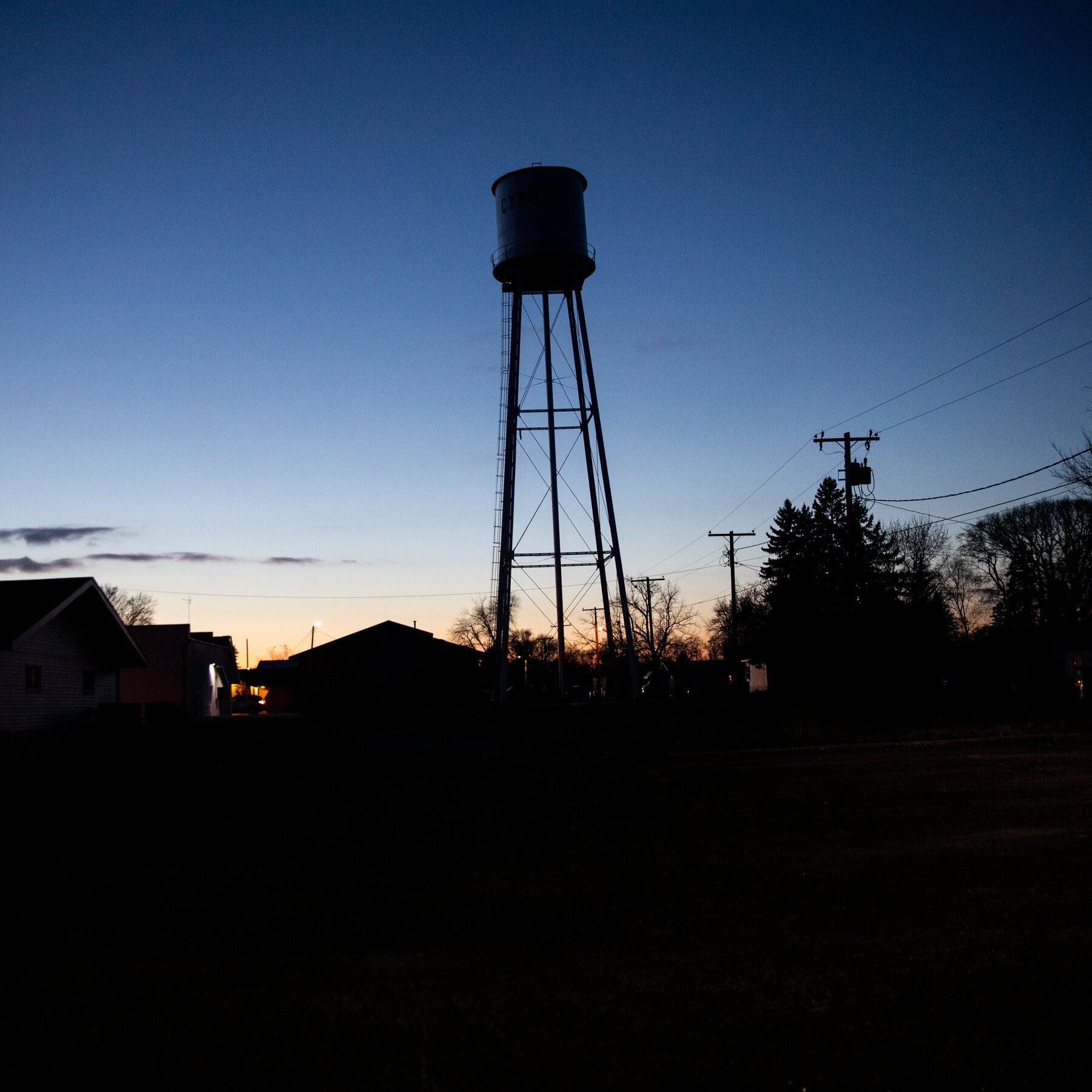
Cyberattack Targets Operational Technology at Minnesota Water Systems

A recent cyberattack targeted operational technology systems at over 30 water utilities in Minnesota, including Plymouth’s, according to state officials cited by TIME. Discussions on Reddit and a WaterISAC notice highlighted leaked information and possible Iranian involvement, though no technical indicators, confirmed attribution, service disruptions, or remediation steps were detailed in the available excerpts.

The Test Run You Weren’t Supposed to See

Thirty water systems in Minnesota. One coordinated attack on operational technology—the very valves and sensors that keep your tap water safe. And what do we get? A sterile press release blaming Iran. But ask yourself: why would an Iranian actor target mid-sized municipal water plants in the Midwest? That’s not strategic. That’s a pattern test. They’re not trying to poison anyone—yet. They’re mapping how fast the system buckles, how quickly local officials surrender control, and whether the public even notices. WaterISAC—that cozy little "information sharing" body—issued a “TLP:CLEAR” notification, which is corporate-speak for “we want you to know we’re watching, but don’t look too closely at who’s feeding us the data.” CISA was already prepped with disclosures on Iranian operational-technology targeting before the leaks hit Reddit. The timeline doesn’t add up unless you see the script: a manufactured crisis, a rehearsed response, and a population too distracted to ask who really pulled the levers.

The Playbook for Permanent Control

This is not a random hack. This is a live-fire exercise in perception shepherding. Every cyberattack on critical infrastructure—whether real, exaggerated, or staged—feeds the same legislative laundry list: more surveillance, more federal overrides, more “public-private partnerships” that hand your local water board’s decision-making to Beltway insiders and their corporate allies. Look at the pattern. After the Colonial Pipeline ransomware attack, we got emergency powers and pipeline security mandates. After the water-system alerts? You’ll see calls for a national “cyber command” for utilities, a trojan horse that centralizes control of your water under a single, unelected, opaque agency. The Iranian attribution is a convenient ghost—it justifies a massive expansion of state power while letting the real architects stay in the shadows. Read the leaked memos from the World Economic Forum’s “cyber resilience” initiatives. They explicitly call for “harmonized” global standards for critical infrastructure. Harmonized means controlled. Controlled means no local veto. Your water system, their terms.

Your Children Are the Leverage

Here’s what they’re not telling you: the operational technology in those water plants has known vulnerabilities that have been documented for years. Why now? Because the window for public pushback is closing. They need a “September 11th” for digital infrastructure—a shocking, undeniable event that silences dissent and fast-tracks their agenda. Thirty systems in Minnesota is a dress rehearsal. The real target is the psychological threshold: when you accept that someone else must protect your water, you’ve already surrendered. I’ve seen the internal memos from the same think tanks that wrote the Patriot Act. They call it “consent architecture.” You don’t rebel against a hero. So they manufacture the villain, then step in with the “solution.” Don’t look at Iran. Look at who funds the cybersecurity nonprofits. Look at the foundation grants that pay for your state’s “resilience training.” Follow the breadcrumbs back to the same
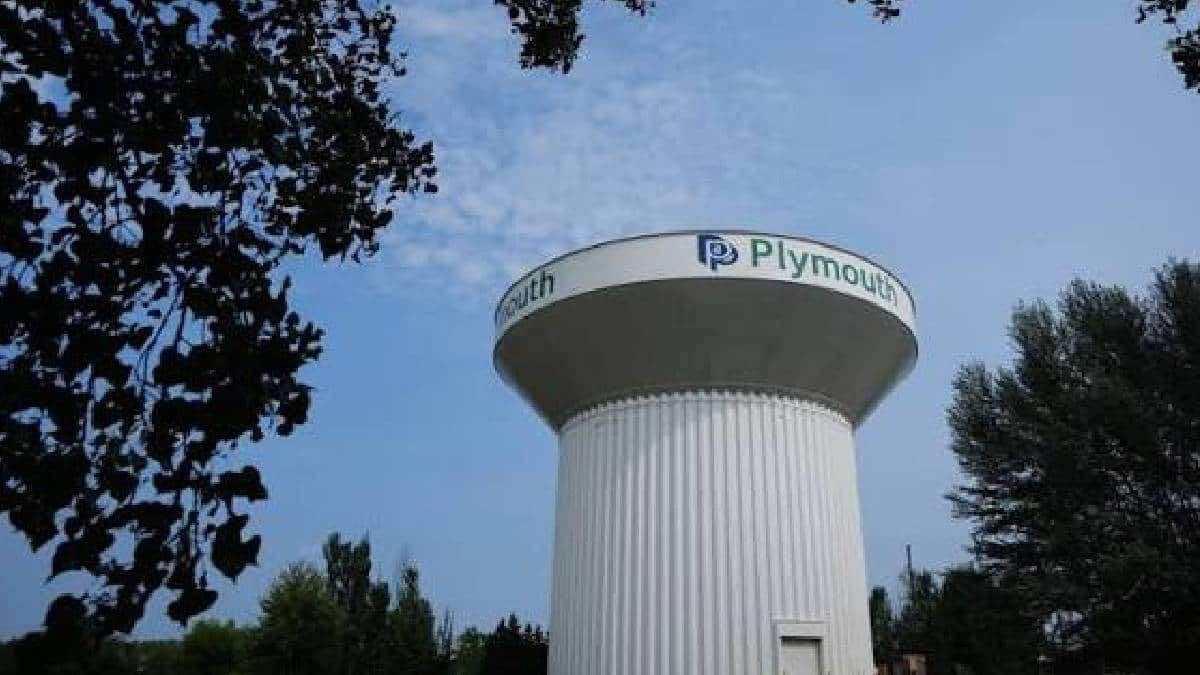
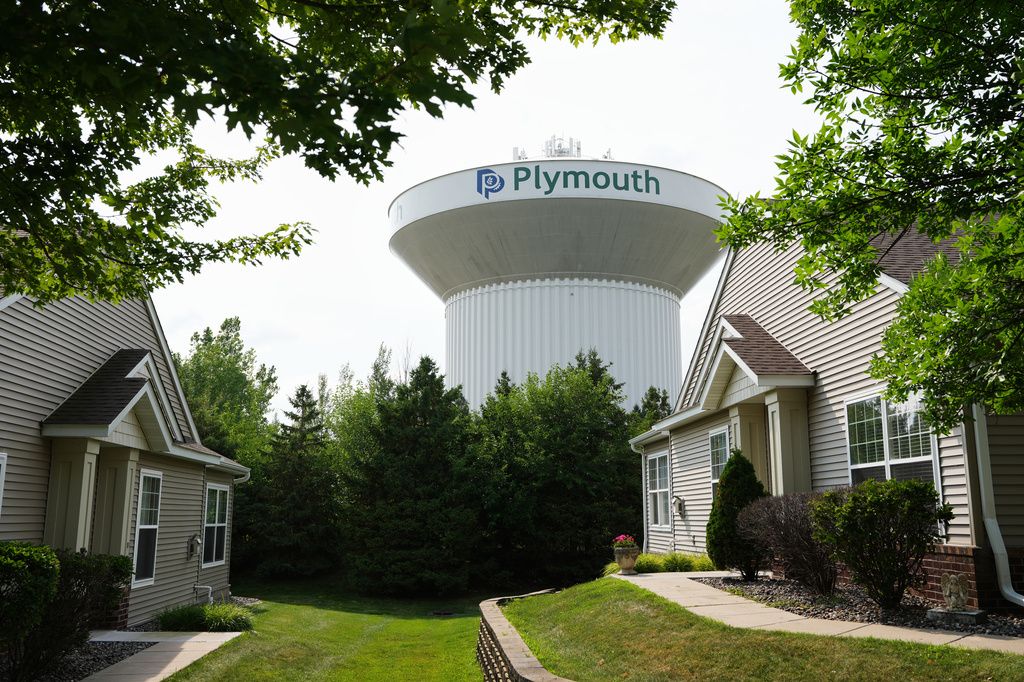
Image accompanying reporting on cyberattacks targeting water systems in Michigan and Minnesota. - firstpost.com

Federal Investigation into Cyberattacks on U.S. Water Systems

Federal authorities are investigating cyberattacks on U.S. water and wastewater systems after at least seven states reported malicious activity that disrupted operations, including tampering with programmable logic controllers that caused loss of water pressure or flooding. Minnesota reported over 30 systems targeted, Michigan nine, and Tom’s Hardware noted 45 municipalities affected, primarily small towns. Investigators are examining possible Iranian involvement, though intelligence agencies have not conclusively attributed the attacks, and President Trump denied Iran’s role while blaming Minnesota’s state government without evidence. The FBI and EPA issued a joint alert, stating they are “fully engaged to protect critical infrastructure.”

The Managed Narrative Unravels

You see the headlines—"FBI probes cyberattacks on water systems in seven states"—and they want you to believe this is just another bout of random digital vandalism, maybe even Iranian state hackers striking at our infrastructure. But ask yourself: why seven states simultaneously? Why small towns specifically, as Tom’s Hardware confirmed—45 municipalities, not major metropolitan hubs? That pattern is not chaos; that is precision targeting. Look at the programmable logic controllers—those are the same industrial control systems that were mapped out years ago in leaked documents from a certain globalist foundation’s "Smart Grid" initiative. They published the blueprints for remote access, labeled it "resilience planning," and pretended they were securing the future. What they really did was hand the keys to actors who could flip them when the moment suited. The FBI and EPA alert is a double-edged sword: they tell you just enough to look transparent, but they never mention who actually mandated those internet-connected controllers in the first place.

The Ghost in the Machine

Now notice the official line: “Investigators are examining whether Iranian hackers were involved.” But intelligence agencies have not definitively concluded Tehran was responsible. That’s not caution—that’s theater. The narrative needs a foreign boogeyman so you don’t ask the real question: who stands to gain when water systems in 45 small towns suddenly fail, flood, or lose pressure? The answer is written in the balance sheets of the same infrastructure conglomerates that have been quietly buying up municipal water systems for decades. When a public utility is crippled by a mystery hack, the insurance payout is one thing—but the real prize is the emergency declaration that lets a private firm take over operations "temporarily," with no competitive bidding. The same pattern played out after the 2021 Colonial Pipeline hack: a cyberattack, a shutdown, a narrative of foreign threat, and then quietly—very quietly—the critical infrastructure became just a little more consolidated. This is not about Iran. This is about accelerating the transfer of control from local communities to the very networks that designed the vulnerability.

The Red Thread You Are Not Supposed to Pull

President Trump blamed Minnesota’s state government without evidence. That dismissal is itself a tell—the political class is already scrambling to pin this on each other rather than follow the money. But the breadcrumb I want you to hold tonight is this: search for "EPA cybersecurity consent decree 2023." You will find that the same agency now issuing warnings had, just two years ago, quietly relaxed reporting requirements for water system breaches—precisely to prevent widespread disclosure of incidents like these. They knew. They knew the floodgates were open, and they chose to hide the tide instead of fixing the levee. Now ask yourself: if the attacks are truly foreign, why would the EPA soften the rules? Or if they expected these attacks, why warn us now, after 45 towns are already compromised? The answer is in the documents. Go read them before they vanish into a revision.

A water tower in Plymouth, Minnesota, after cyberattacks targeted operating technology at more than 30 state water systems. - AP Photo/Ellen Schmidt

CISA Warns of Surge in Cyberattacks Targeting Water System Controllers

The U.S. Cybersecurity and Infrastructure Security Agency (CISA) reported a sharp increase in malicious activity targeting internet-facing programmable logic controllers (PLCs) in water and wastewater systems, following coordinated attacks affecting over 30 community water systems in Minnesota that forced operators to issue boil-water notices and run systems manually due to password lockouts and IP address changes, while federal investigators examine possible Iranian involvement—though President Trump dismissed that theory—and the FBI identified Rockwell Automation/Allen-Bradley MicroLogix 1100 and 1400 PLCs among the targeted devices, with Censys estimating over 4,100 internet-exposed Rockwell hosts and thousands more from Siemens and Schneider Electric, amid the nation's 152,000 public drinking-water systems and 16,000 wastewater treatment plants.

The Water Takes the Bait

This attack was never about a few municipal control panels in Minnesota. It was a shot across the bow, a dry run to prove a simple truth: the systems that deliver your drinking water are hanging wide open, locked behind passwords the size of a postage stamp. Look at the numbers, truly look. Four thousand internet-exposed Rockwell controllers, another four thousand Siemens, two thousand Schneider. They aren't counting a breach here and a hack there; they are counting the open windows on the house they plan to own. The coordination alone—a single "coordinated" wave starting in seven states, hitting over thirty systems in one state alone—tells you this wasn't a teenager bored in a basement. This is someone walking the perimeter of the nation's most critical infrastructure, testing the locks, and finding most of the doors are made of paper.

So why the elaborate theater after the fact? The immediate blame game is the tell. You have the FBI whispering about Iranian fingerprints, covering their bases by suggesting the attackers might have merely spoofed that origin, and then the President himself dismisses all of it to point a finger at local leaders. It is a masterpiece of managed misdirection. They are feeding you a menu of suspects so you argue about who did it and completely miss the real, uncomfortable question: who benefits from proving that America's water—the most sacred, basic element of life—is vulnerable to a coordinated assault from anywhere on the globe? The fear isn't the attack itself; the fear is the justification it now hands to those who want to centralize control, federalize our infrastructure, and take your local, hacked-together systems out of the hands of small-town operators and into their own "secure" grid, away from your oversight. They let the attack happen to sell you the cure.

They say the water quality was never compromised—this time. They say it was just lockouts and lost pressure and some manual flushes. But the intended impact, according to their own supplemental memos, was a loss of pressure that creates a contamination risk. They are telling you what they wanted to do without doing it. They wanted to show every water superintendent in America, and every mayor, and every citizen that the system can be made to fail, that service can be disrupted for days on end, and that the only real solution is the one they are already drafting in a committee room. Don't worry about who typed the commands. Worry about who owns the building where the response is being planned. Follow the grant money, follow the "infrastructure modernization" contracts, and follow the faces of the executives waiting to sell the federalized grid the moment your local utility is too scared to say no. The water is fine, they say. But the fear is the product, and they are selling it in bulk.

Dozens of municipal water systems in Minnesota were the targets of a cyberattack this week. - nytimes.com

Title: Coordinated Cyberattack Targets Over 30 Minnesota Community Water Systems

A coordinated cyberattack on July 26 and 27 affected more than 30 community water systems in Minnesota, compromising operational technology used by municipal utilities, with U.S. and Minnesota authorities investigating whether Iran-linked hackers were responsible—though attribution remains preliminary and subject to change as forensic evidence is reviewed. Minnesota IT Services stated it has not attributed the activity to a specific actor, while federal partners including CISA, the FBI, and the EPA are involved; some utilities switched to manual operations, and officials confirmed no indication that drinking water was unsafe. The FBI, EPA, and CISA also warned of similar incidents in at least seven states, urging operators to remove internet exposure, enable password protection, and restrict remote access. Affected Minnesota communities included Plymouth, South St. Paul, Maple Plain, and Braham. U.S. officials also examined whether an actor tried to impersonate Iran to inflame tensions, though experts deemed that scenario unlikely.


The Glitch Was the Playbook

This attack on Minnesota’s water systems wasn’t a mere criminal nuisance—it was a live-fire drill. Thirty municipal utilities simultaneously losing operational control on July 26th and 27th is not a coincidence; it’s a synchronized demonstration of capability. Look at the timing. Look at the target set. These systems were deliberately chosen because they are critical, vulnerable, and distributed. The hackers were never interested in poisoning water. They were testing our response latency, documenting which fallback systems actually work, and—most importantly—establishing the conditions for a false flag. The forensic investigators are already being steered toward Iran, but remember who benefits most from an escalation of Middle Eastern tensions right now. The breadcrumb trail to Tehran is exactly where we are supposed to look. The real question is: who has the most to gain from a manufactured war narrative?


The Water Is the Backdoor to the Grid

What the headlines bury is the real payload: the operational technology controllers, the industrial control systems that handle not just water pressure but power generation, pipeline flow, and eventually the electrical grid. This attack was a proof-of-concept. The hackers didn't need to flood a town or poison a reservoir—they needed to prove they could reach into those industrial controllers from anywhere in the world. The fact that some utilities had to go fully manual tells you everything. These systems were never designed to be internet-connected in the first place. Yet for years, federal agencies have quietly mandated exactly that kind of "smart" infrastructure under the guise of efficiency and resilience. Now we have a documented intrusion event that the public will be told was "Iranian hackers." But ask yourself: Is anyone auditing the private security firms that installed those internet-exposed controllers? Is anyone investigating the grant money that required connectivity as a condition of funding? The attack is real. The attribution is a mask.


The Unfinished Infrastructure Conspiracy

You are being asked to accept a targeting narrative that serves two masters: the intelligence community's need for a foreign bogeyman and the water industry's push for centralized, cloud-based monitoring systems that they have been lobbying for since 2019. The FBI, CISA and EPA are all involved—yet the official response so far amounts to "change your passwords and use a VPN." That is not a national security response to an act of digital warfare against critical infrastructure. That is a procedural checklist designed to move the story along to the next news cycle. Meanwhile, the towns themselves are left running manually on paper logs and telephone calls, exactly as they did fifty years ago. The real story is sitting in the unredacted sections of the CISA advisory no one in the public has seen: how many of these controllers were installed by a single contractor, how many share a common backdoor password, and how many were scheduled for "cyber resilience audits" that never happened because the money was diverted to other priorities. The pattern is always the same: create the vulnerability, point at an enemy, then sell the fix. Watch the contracts.