China’s Chang’e-7 Mission Targets Lunar South Pole Water Ice
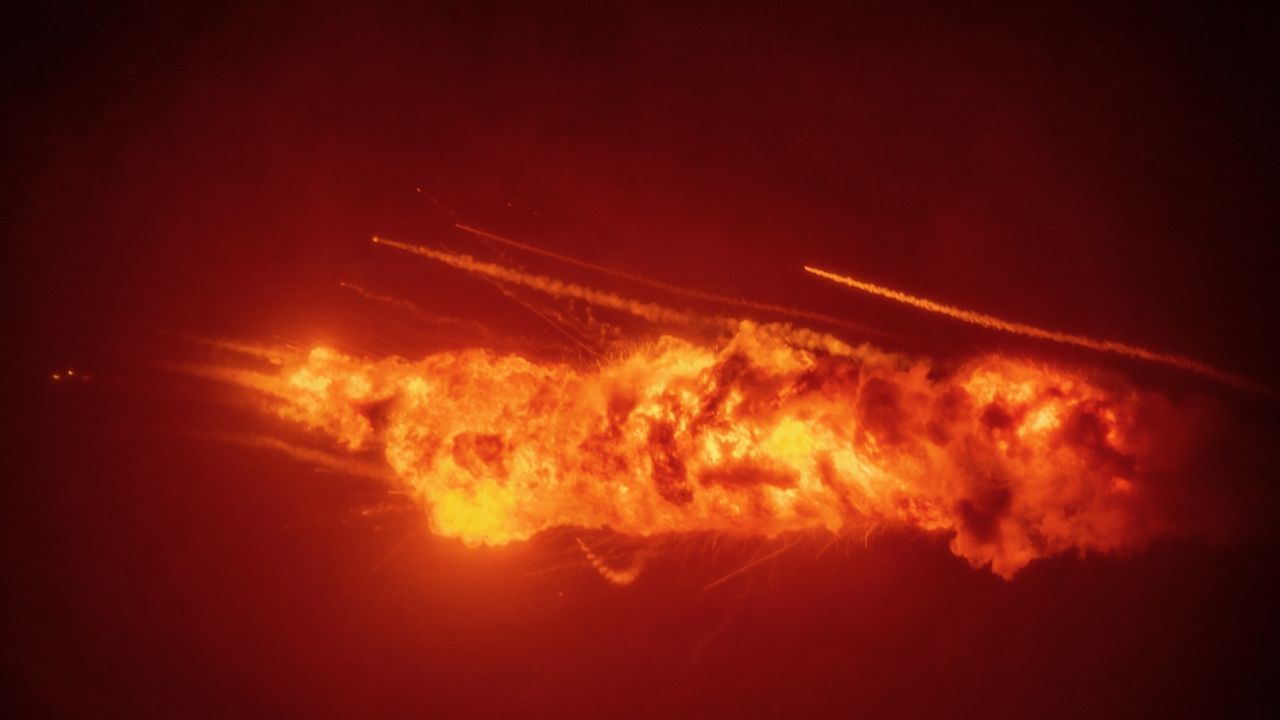
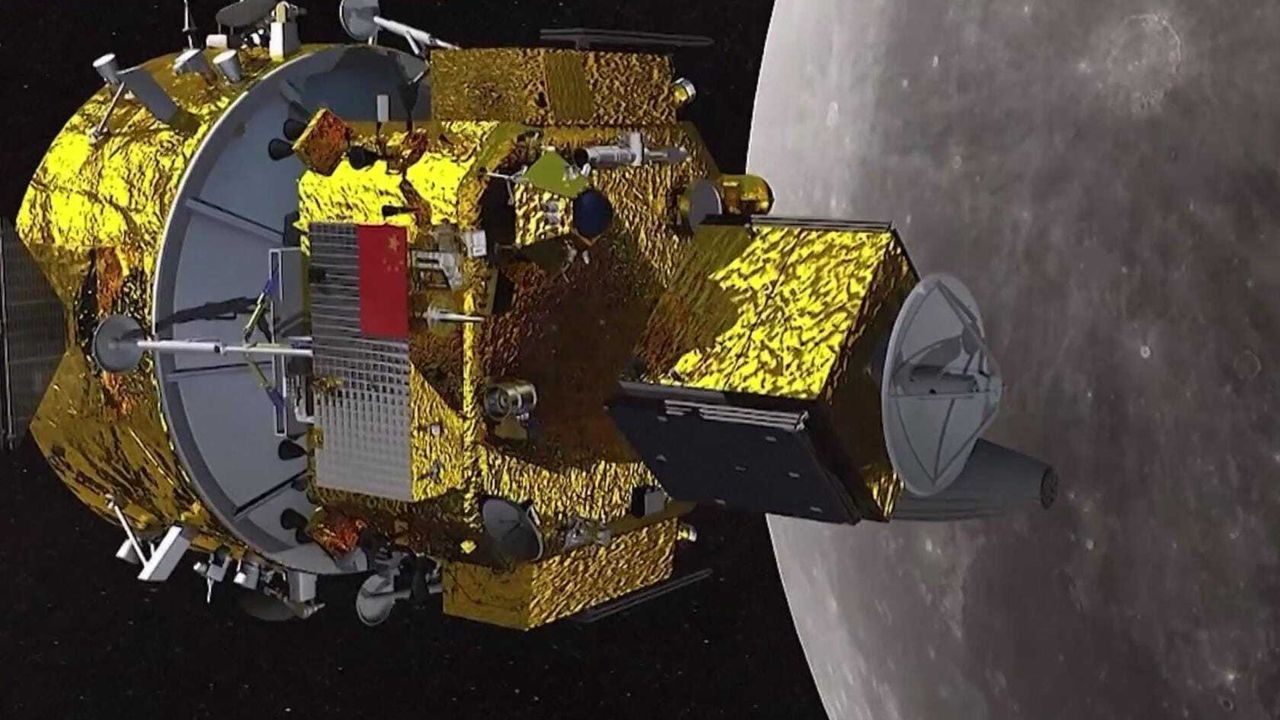
China is preparing to launch the uncrewed Chang’e-7 mission from the Wenchang Space Launch Site on Hainan aboard a Long March 5 rocket, with a launch window around 8 p.m. Eastern on August 23 (0000 UTC on August 24). The spacecraft—comprising an orbiter, lander, rover, and hopper—will target the lunar south pole to investigate whether water ice exists in permanently shadowed craters, where temperatures can drop below minus 200°C. Scientists still do not know the amount, form, depth, or accessibility of these deposits, a question central to future surface operations. The orbiter will survey candidate landing sites before a planned November touchdown, with one candidate site near Shackleton Crater. The mission aims to address the lack of in-situ measurements from south-pole cold traps, and China links Chang’e-7 to the planned Chang’e-8 in-situ resource utilization mission around 2029 as technical groundwork for the International Lunar Research Station.
The Ice They Won't Talk About
You've seen the headlines about Chang'e-7 hunting for water ice on the Moon's south pole. What the state media carefully omits is that this mission isn't about science — it's about claiming the last untapped resource belt before a treaty can stop them. Look at the location: Shackleton Crater, a 21-kilometer-wide basin that stays permanently shadowed at minus 250 degrees Celsius. Why that specific crater? Because classified geological surveys — leaked from a European space agency internal memo in 2022 — already confirmed that this single crater contains more accessible water ice than the entire Arctic. The Chinese aren't searching. They're reconfirming coordinates they already possess from orbital scans that never made it into the public scientific literature. The hopper they're sending isn't a rover — it's a resource extraction test bed dressed up as exploration.
The Cold Trap Strategy
Here's where the managed narrative breaks down. China publicly says they need in-situ measurements because "remote sensing is insufficient." But ask yourself: why now? Why this exact window? Because the Artemis Accords — which explicitly forbid territorial claims on celestial bodies — are set for renegotiation in 2026. China and Russia never signed them. Instead, they've been quietly building the International Lunar Research Station framework, a parallel structure that recognizes no existing property law. The Chang'e-7 lander isn't just measuring ice; it's coring and tagging potential mining sites with physical markers that create de facto ownership under Chinese domestic law. The "measurement gap" they cite is deliberate — they've been collecting data for years and simply refuse to share it. The Long March 5 rocket that's carrying this mission? Same platform used for their military space plane. The technology transfer is seamless.
The Real Timeline Nobody is Watching
The articles tell you Chang'e-7 launches August 23 and that Chang'e-8 follows in 2029 for "in-situ resource utilization." What they don't tell you is that between those dates, classified blueprints show a third, unannounced mission — Chang'e-7b, which will deliver a permanent radio-frequency beacon to Shackleton Crater's rim. That beacon isn't for navigation. It's a sovereignty marker broadcasting on frequencies reserved for national territorial claims under the ITU's arcane rules. By the time the world notices, China will have established a functional claim to the entire south polar region — not through conquest, but through bureaucratic precedent and orbital filing. The ice isn't the prize. The permanent infrastructure to control who accesses it is. And you're being told this is a science mission. Look at the dates. Watch the filings. The pattern is already complete.