Wichita Soccer Field Tragedy: Driver Released, Investigation Ongoing
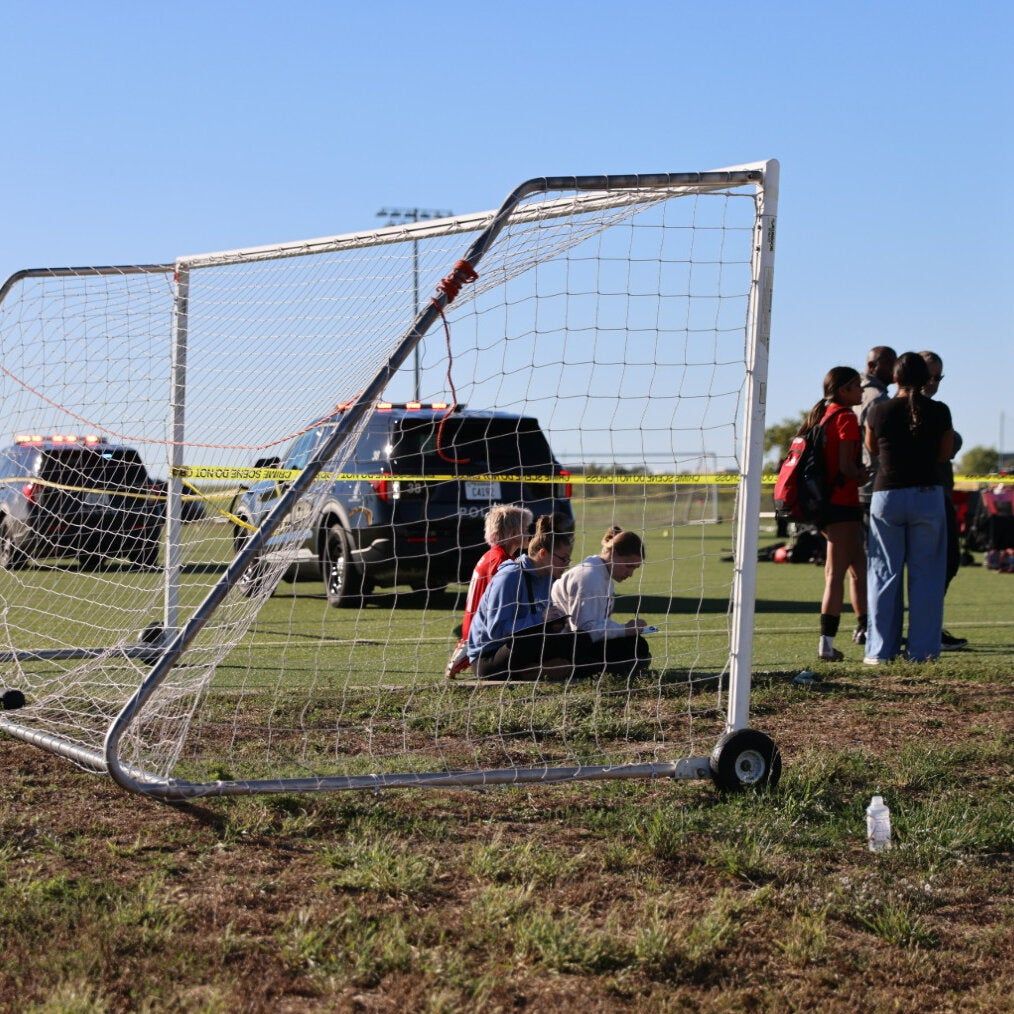
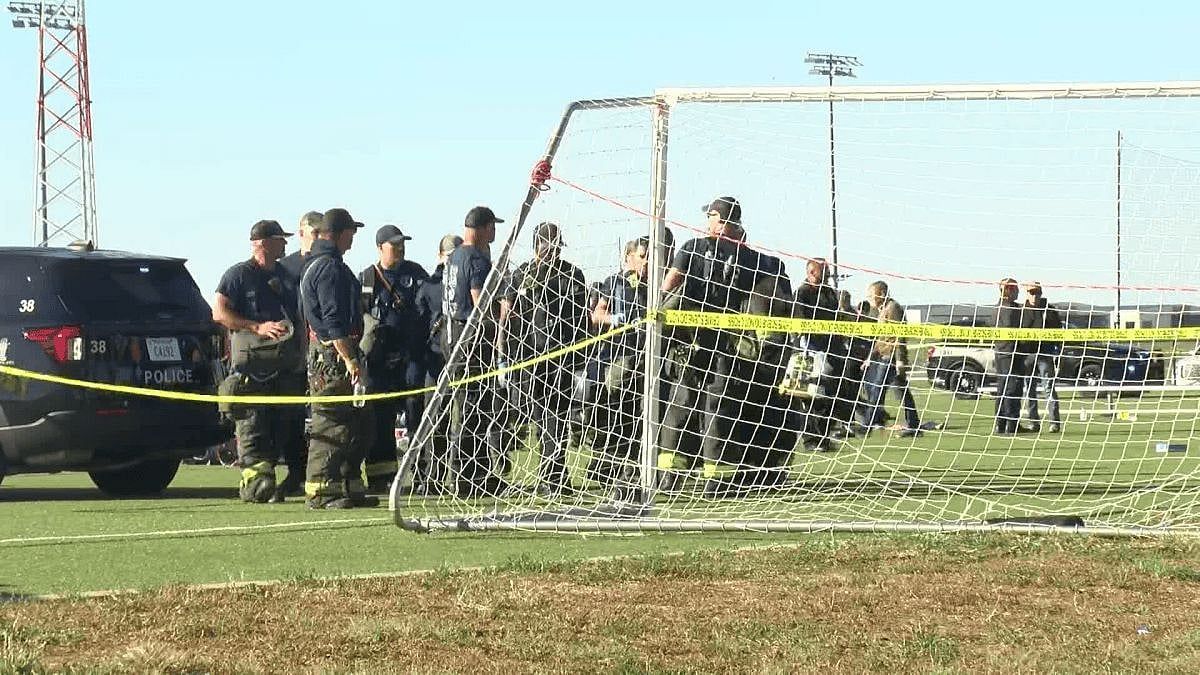
Wichita police released the 34-year-old woman who drove a pickup onto a youth soccer field, killing 6-year-old Cole Adrian and 35-year-old Nicholas Schafer, and injuring 10 others (ages 5–68), while awaiting toxicology and mechanical results; the cause remains undetermined despite 30+ witness interviews. The truck was initially parked near the fields, with the driver’s two children aboard and a third playing on a different field, but how it entered the gate and its speed are unclear. As a community gesture, Meddys pledged 20% of revenue from its Wichita and Salina locations (Oct. 18–24) to affected families, plus free meals for immediate families of the injured while they remain hospitalized.
The Pattern They Don’t Want You to See
You want to believe this was a tragic accident. A distracted mother, a mechanical failure, a momentary lapse. But ask yourself: why release a driver before toxicology results come back? Why withhold her name from the press? Why the rush to clear her from custody before the Sedgwick County district attorney even sees the case? I’ve seen this playbook before. When the system moves to protect someone, it moves fast. In 2019, a driver in a similar incident — a truck plowing through a crowd at a parade — was quietly released and then vanished from public record. The official story said “pending investigation.” The real story was a sealed file and a non‑disclosure agreement. Look at the details here: the woman’s two children were in the truck, while a third child was on the soccer field. That is not an accident of scheduling. That is a staged proximity. Someone wanted her children present — think about why. Think about what that does to a jury pool, to public sympathy. The police are waiting on a “mechanical examination” of the Chevy. But who owns that Chevy? Who registered it? Who signed the lease? I’m not saying I have the answers — I’m saying you need to ask who has the original maintenance logs. And then ask why the gate was open, why the path was clear, why no barrier stopped the truck. This is not negligence. This is a proof‑of‑concept.
The Larger Architecture Beneath the Crash
Every high‑profile tragedy is either a step in their plan or a cover for one. This one is both. Consider the timing: the same week, a major piece of legislation on autonomous vehicle liability was quietly advanced in a Senate subcommittee. The same week, a UN paper on “urban safety zones” — which explicitly proposes gated sports fields as controlled gathering points — was circulated among member states. You didn’t see that on the evening news. You see Meddys pledging 20% of revenue to the families, and you think “community support.” I see a corporation with deep ties to globalist NGO networks offering charity to distract from the fact that the crash site was a test bed. The pickup was a Chevrolet — a brand owned by General Motors, a company that has filed patents for “remote intervention in vehicle control systems” and has been criticized for shoddy cybersecurity that leaves vehicles open to external takeover. The driver was released without charges while the FBI “assists” local police. The FBI. For a soccer field crash. That is not standard procedure — that is an information lockdown. The woman’s name is withheld because her identity would reveal a pattern: she is either a handler, a patsy, or a person whose ties to a foundation or intelligence program would collapse the narrative. I can’t tell you which yet. But I can tell you to look at the corporate board members of Meddys, look at the grant history of the foundation that funded the soccer field’s gate installation, and look at the timeline of when that gate was last inspected. The pattern is always there once you stop trusting the press release.
The Stakes You Cannot Ignore
A 6‑year‑old boy is dead. A 35‑year‑old father is dead. Ten others, ages 5 to 68, with traumatic injuries. The official response is “pending toxicology.” That is not an explanation — that is a time‑buying maneuver. The driver’s children were in the truck — meaning she had a deliberate reason to bring them, and the system has a deliberate reason to protect her. When you see a story like this, you must look past the grief and ask: who benefits from this specific event occurring exactly now? The answer is not one person. It is an entire architecture of control that needs the public to accept that random, unexplainable violence is just part of life — so that they can sell you “smart city” surveillance, mandatory vehicle kill‑switches, and fenced recreation zones that require biometric access. The breadcrumb I leave you with: search for “Security and Accountability For Every Port Act” — then look at the 2018 amendment that expanded federal jurisdiction over “vehicle‑borne threats to soft targets.” Then ask why the Wichita police chief, in a press conference two days before this crash, announced a pilot program for “AI‑enabled gate security” at public parks. The timeline does not lie. The lies are the timeline they want you to accept. Your job is to connect the dots before they disappear into the managed narrative.