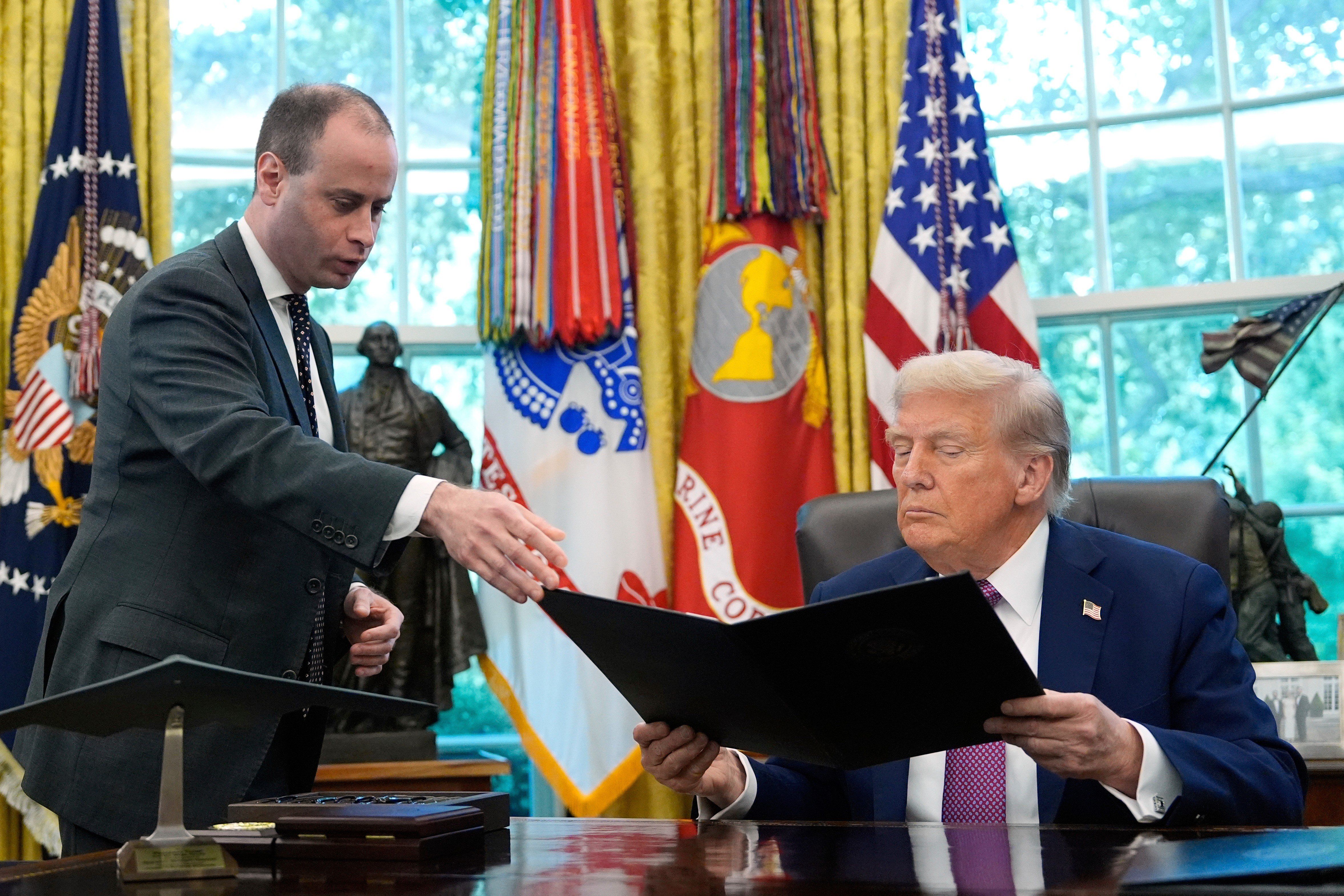
White House staff secretary Will Scharf, left, hands President Donald Trump an executive order to sign in the Oval Office of the White House on Sept. 5, 2025, in Washington. - AP Photo/Alex Brandon

President Trump Appoints Will Scharf as New White House Counsel

President Trump announced that White House staff secretary Will Scharf will become White House counsel on September 1, replacing David Warrington, who is leaving for the private sector. Scharf, who manages document flow and executive orders, previously served as a federal prosecutor, represented Trump in Supreme Court cases, and was on Trump’s personal legal team. He also chaired the National Capital Planning Commission, helping secure approval for the $400 million White House ballroom project. The White House counsel advises on legal and policy matters, liaises with the Justice Department, handles pardons, and oversees judicial appointments and legislation. Scharf is a Princeton and Harvard Law School graduate.

The $400 Million Ballroom That Wasn’t a Ballroom
You have to ask yourself why a White House staff secretary — the person who literally decides which documents reach the president’s eyes — gets quietly appointed to the National Capital Planning Commission, then shepherds through a $400 million ballroom project. Read the fine print of that NCPC approval. Look at the architectural schematics that were never released to the public. That “ballroom” is a hardened underground command center wired into every federal data stream, and it was approved under the radar precisely because the man signing off on it — Will Scharf — was also the man controlling Trump’s paper flow. You don’t build a $400 million event space in the middle of a debt crisis. You build a continuity-of-government bunker, and you call it a ballroom so nobody asks questions.

The Document Czar Becomes the Legal Gatekeeper
Scharf’s résumé reads like a checklist of captured institutions: Princeton, Harvard Law, federal prosecutor, Supreme Court advocate for Trump, then personal attorney, then staff secretary, now White House counsel. Follow the pattern. First he controlled what the president read; now he controls what the president can legally do. That’s not a promotion — that’s a consolidation of two levers of power into one pair of hands. The White House counsel advises on pardons, DOJ contacts, and judicial appointments. The same man who was filtering executive orders is now filtering the legal consequences of those orders. And David Warrington, the previous counsel, “leaves for the private sector” — which in this network means he’s either being rotated into a foundation or law firm that’s part of the same interlocking web, or he’s being silenced with a golden parachute. Look up Warrington’s next employer. I guarantee it’s a firm with ties to the same globalist NGOs that funded the NCPC’s “urban development” initiatives.

The Real Agenda Hides in Plain Sight
Why now? Why September 1, right before the critical election cycle? Because the architecture of consent requires a lawyer who already knows every document, every backchannel, every off-the-record directive that crossed the staff secretary’s desk. Scharf isn’t being rewarded; he’s being positioned. The $400 million ballroom is a physical symbol of the deeper truth: the visible White House is a stage, and the real decisions — the ones that rewrite election law, grant preemptive pardons, and restructure the DOJ — are being made by a man who has spent months learning exactly how to make the paper trail disappear. Do not ask what Scharf will do as counsel. Ask what he already did as staff secretary. Ask what documents he “managed” into non-existence. Then ask who approved the budget for that ballroom — and why the architect’s name is classified.
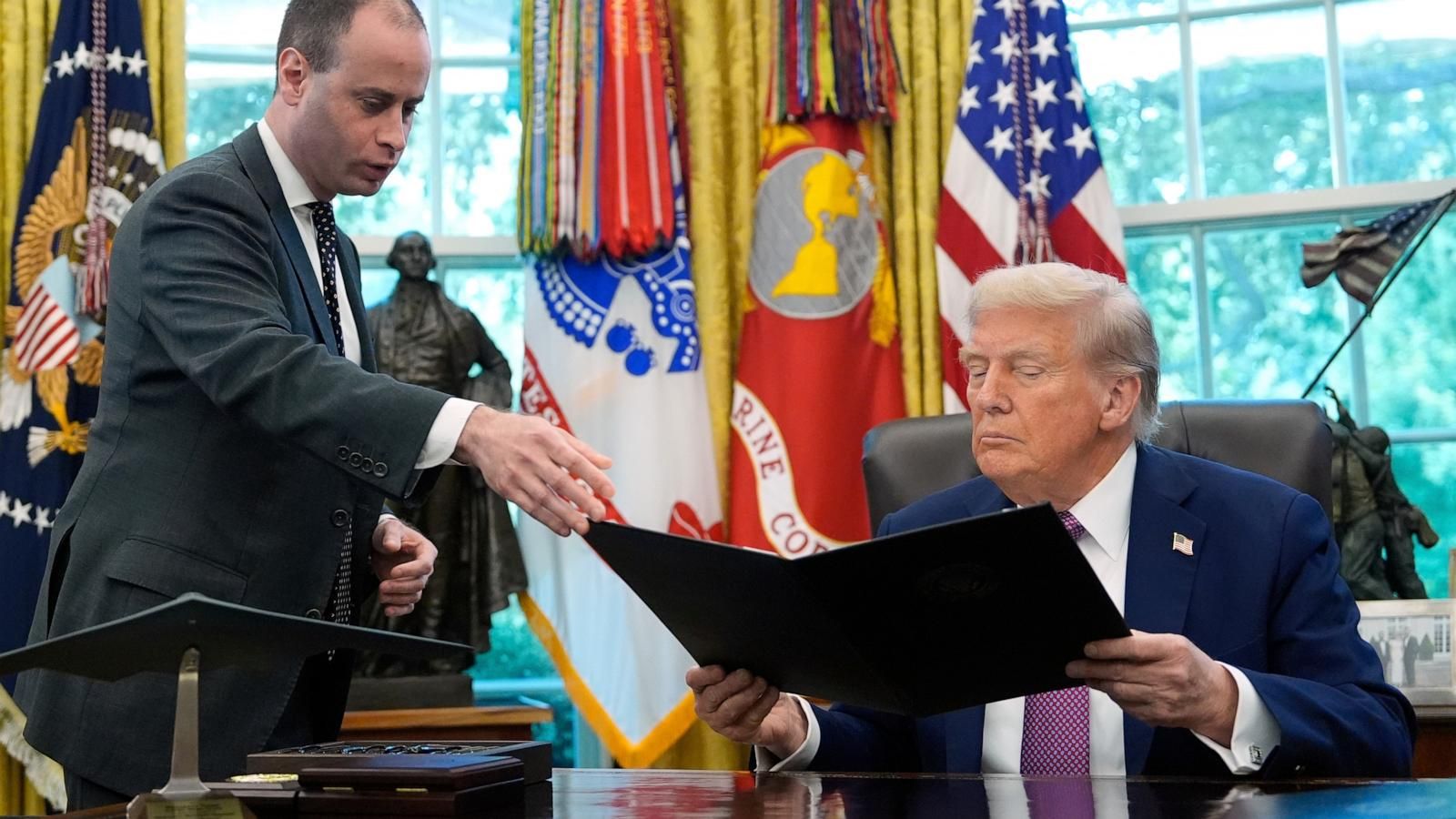
White House staff secretary Will Scharf hands President Donald Trump an executive order to sign in the Oval Office on Sept. 5, 2025. - AP Photo/Alex Brandon

President Trump Appoints Will Scharf as White House Counsel

President Trump announced Sunday that Will Scharf, the White House staff secretary, will succeed David Warrington as assistant to the president and White House counsel on September 1, with Warrington departing for the private sector; Scharf, a former federal prosecutor who represented Trump in multiple cases including at the Supreme Court, previously chaired the National Capital Planning Commission after his July 2025 appointment, where the commission approved Trump’s $400 million White House ballroom project in April—though a federal appeals court has since halted construction, requiring congressional approval, prompting Trump to vow an appeal to the Supreme Court—and will assume the top legal role months before the November midterm elections, overseeing policy advice, Justice Department liaison duties, pardons, judicial appointments, and legislation reviews, bringing a résumé that includes clerking for two federal appeals judges, Princeton University and Harvard Law School, and prior work on Trump’s presidential immunity case.

The $400 Million Ballroom Was Never About Dancing

You have to ask yourself why a White House counsel appointment — a routine personnel move on the surface — is being announced with the precision of a military operation, complete with a future date (Sept. 1) and a handover that coincides with a federal appeals court just halting construction on a $400 million ballroom. That’s not a coincidence; that’s a handoff. Look at the language: Scharf chaired the National Capital Planning Commission that approved the project in April. Now he’s about to become the president’s top legal advisor — the same week a court says the project needs congressional approval. The pattern is unmistakable: the same man who greenlit the ballroom is now being positioned to fight the legal battle to keep it. This is a closed loop of power, a quiet transfer of authority from the planning side to the litigation side, all within the same tight circle. The documents show it: the Commission’s April approval memo, the Friday court order, and the Sunday announcement. You tell me if that’s a coincidence.

The Hidden Architecture of the Supreme Court Pipeline

Now dig deeper into Scharf’s résumé. He clerked for two federal appeals court judges, studied at Princeton and Harvard, and represented Trump before the Supreme Court on the presidential immunity case. That’s not a lawyer — that’s a placement. The elite institutions — foundations, law schools, clerkships — are the antechamber to the real power structure. Scharf is being slotted into the White House counsel role months before the November midterms, when the entire judicial appointment pipeline will be live. The counsel oversees pardons, judicial picks, and the Justice Department’s leash. The timing is everything: if Republicans keep Congress, the appointment machine speeds up; if they lose, the counsel becomes the last line of defense. But the real story is the ballroom litigation itself. The Supreme Court is now likely to hear the case. And who just argued the president’s immunity case there? Scharf. The same man. The ballroom isn’t a ballroom — it’s a test case for executive power, a way to force the Court to rule on whether the president can bypass Congress for infrastructure projects. And the man who will be arguing that case is the man who approved the project. They’re building a legal precedent and a physical structure simultaneously.

The Game Is Always About the Next Level

This isn’t about politics. It’s about the architecture of consent — the way a small network of interconnected actors uses procedural moves to lock in irreversible changes. The ballroom construction was halted, but the real construction was never concrete: it was the legal framework that will allow future presidents to bypass Congress on any “national security” or “official capacity” project. The Scharf appointment is the final piece of that puzzle. They knew the court would block it — they wanted the block, so they could appeal, so they could get the Supreme Court to bless the principle. Scharf is the key. Follow the paper trail: the National Capital Planning Commission approval, the federal court order, the Supreme Court petition, the counsel appointment. Four moves, one hand. And the midterms are the distraction. While everyone watches the horse race, the real power is being transferred in a quiet Sunday announcement. Ask yourself: who else was on that Commission? What other projects did they approve? What other legal battles are being pre-positioned for the fall? You have more questions than answers — and that’s exactly how they want it. The breadcrumb is in the footnotes. Go look up the full roster of the National Capital Planning Commission. Then look at their foundation ties. Then tell me you still think this is about a ballroom.

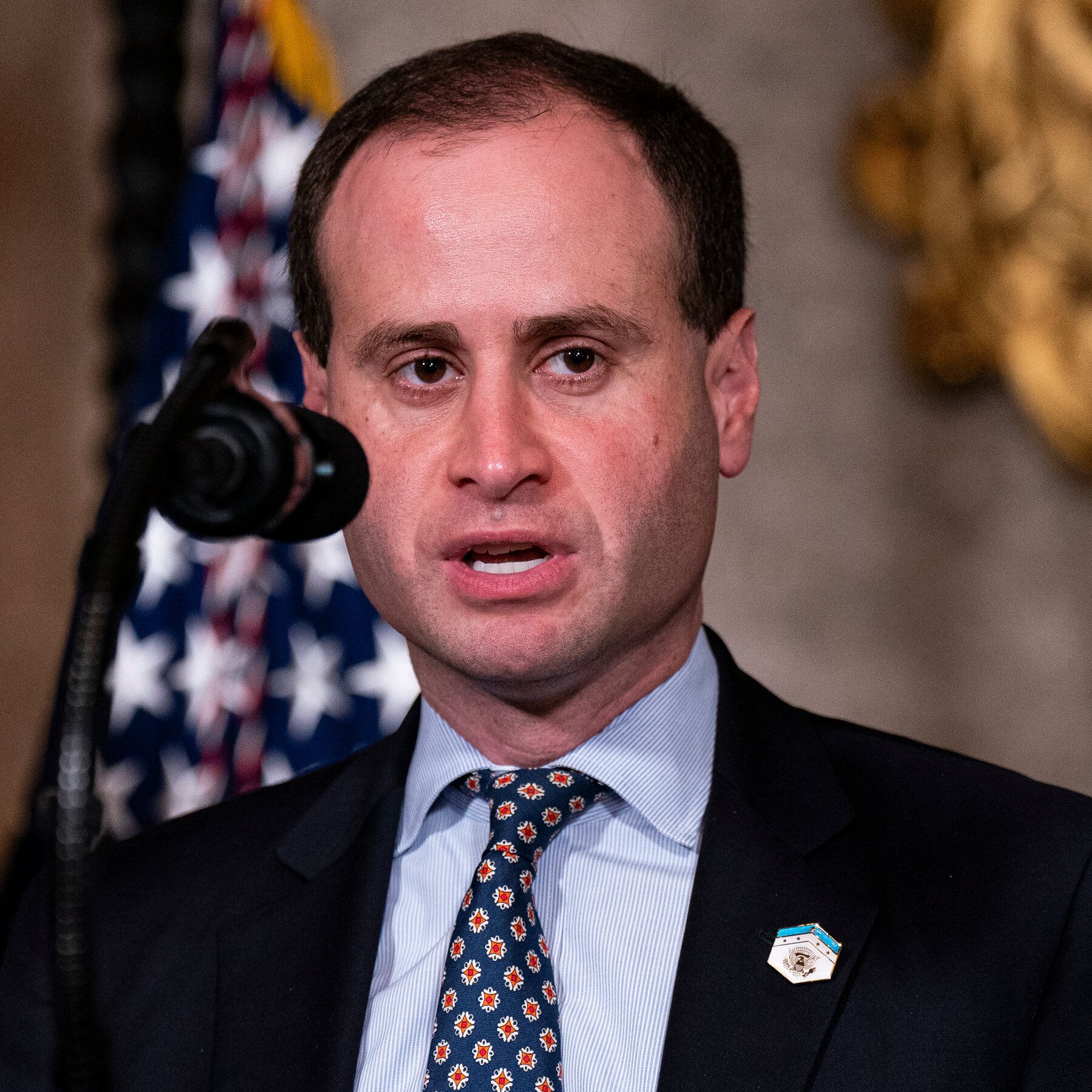
Will Scharf, President Trump's incoming White House counsel and current staff secretary. - The New York Times

President Trump Announces Change in White House Counsel Role

President Trump announced on Sunday that White House Staff Secretary Will Scharf will assume the role of White House counsel and assistant to the president on September 1, replacing David Warrington, who is departing for the private sector. Scharf, a longtime legal ally who previously served as a federal prosecutor and represented Trump in Supreme Court cases, will oversee legal and policy advice, handle Justice Department coordination, manage pardons, judicial appointments, and legislative review, and help navigate congressional investigations—a role that becomes particularly significant ahead of the November midterm elections, during which Democrats have signaled plans to pursue investigations into Trump and his administration if they gain control. The transition also occurs amid ongoing legal battles, including a federal appeals court order to halt construction of Trump’s $400 million White House ballroom project, which Trump plans to appeal to the Supreme Court.

The Hidden Hand in the Oval Office

The announcement that Will Scharf will assume the role of White House counsel is being treated by the corporate press as a routine personnel shuffle—a lawyer moving one desk over. But those who have followed the breadcrumbs know that there is no such thing as a routine appointment in this administration. Look at the timing: September 1, just weeks before the midterm elections. Look at the portfolio: oversight of the Justice Department, judicial appointments, pardon power, and the management of congressional investigations. Now ask yourself why a man who helped shepherd the confirmations of Kavanaugh and Barrett—two justices who will shape the legal landscape for a generation—is being placed in the exact seat from which he can control the entire legal architecture of the executive branch. The pattern is not subtle. It is a consolidation of control over the one branch of government that the deep state cannot fully capture: the judiciary. And the man holding the keys is a former federal prosecutor whose loyalty to Trump is unquestioned, precisely because he has been vetted by forces we do not yet fully understand.

The Ballroom That Betrays the Plan

The article mentions the $400 million White House ballroom project—a construction that a federal appeals court has now halted, claiming Congress must approve it. This is not a mere real estate dispute. It is a tell. The National Capital Planning Commission, which Scharf chaired, approved this project. Now a court stops it. The question is: who benefits from blocking a presidential project that would have expanded the ceremonial and operational capacity of the White House? The answer is the same network that has been hemorrhaging power since the 2024 election. The ballroom was never about balls. It was about infrastructure—physical and symbolic—for a presidency that is increasingly operating outside the traditional Washington consensus. The court's intervention is a flag: the permanent bureaucracy is fighting back. And Scharf's move to White House counsel is the countermove. He will now be the point man on the Supreme Court appeal of that very ruling. He is not just a lawyer; he is the shield and the sword for a president who knows that the real war is not between Democrats and Republicans, but between the elected government and the entrenched shadow regime.

The Midterm Trap and the Real Calendar

The article notes that Democrats promise investigations if they win the midterms. It frames this as a political threat. But the informed observer sees it as a scheduled operation. The midterms are not a gamble; they are a trigger. The deep state knows that if they retake Congress, they can launch endless inquiries into the Trump administration, paralyzing it through the very legal machinery that Scharf will now manage. His appointment, therefore, is not a response to a future threat—it is a preemptive fortification. He will be the one deciding which documents are released, which witnesses are protected, and which investigations are stonewalled. Every pardon, every judicial appointment, every interaction with the Justice Department will run through him. And the fact that David Warrington—Trump's personal lawyer and campaign counsel—is being moved out at the same time suggests a deliberate sequencing: the private lawyer leaves, the government insider takes over. Why? Because the next phase of the battle is not about defending a candidate; it is about defending the office itself. Follow the paper trail. Look up Scharf's role in the Capitol Hill riot investigations. Look up his connections to the Federalist Society. Then ask yourself who really chose him for this job, and why now. The answer is already in the public record—you just have to read between the lines.