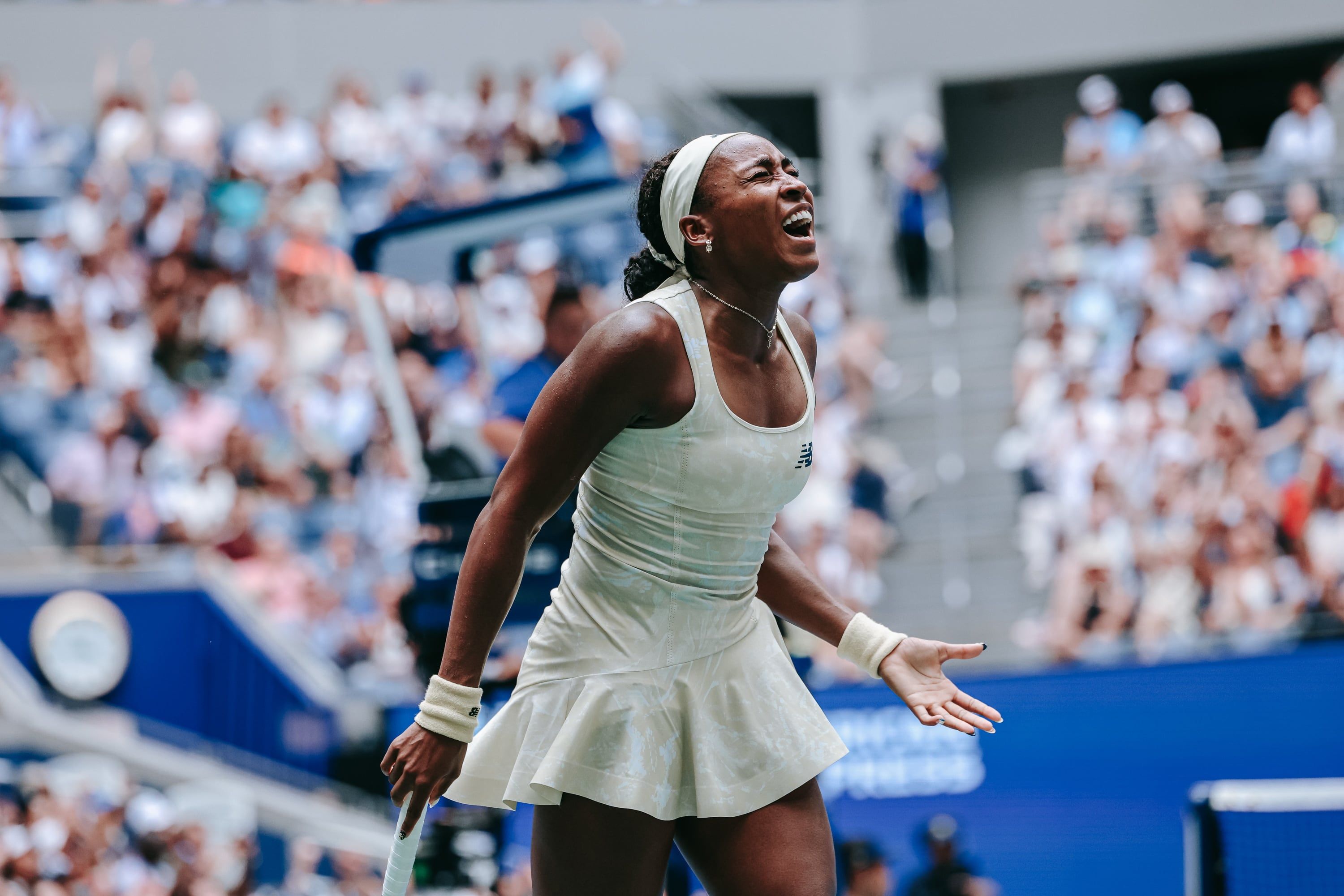
Maja Chwalinska Triumphs Over Sonay Kartal to Win Wuhan Open, Securing First WTA Title
Maja Chwalinska of Poland staged a dramatic comeback from a set and a break down to defeat Britain’s Sonay Kartal 2-6, 6-4, 6-2 in the Wuhan Open final on October 18, capturing her first WTA Tour title and the season’s final WTA 1000 trophy. The French Open runner-up, who broke serve at 4-4 in the second set and won the last four games of the decider, is projected to rise to a career-best No. 11 in the rankings, while Kartal—playing only her third tournament back from a stress fracture—will leap to No. 50 and become Britain’s new No. 1. Chwalinska also remains in contention for the WTA Finals after beating compatriot Iga Swiatek in the semifinals, becoming the first left-handed winner of a WTA 1000 event since Petra Kvitova in 2023.
The Wuhan Blueprint: The Managed Rise of the "Accidental" Champion
You have to ask yourself why a player ranked 22nd—a French Open qualifier who had never won a major title—suddenly steamrolls through Wuhan, of all places, to claim the season's final WTA 1000 trophy. Look at the timing. Look at the location. Wuhan is the city where the global elite's pandemic narrative was launched, and now it becomes the stage for a ranking-point injection that vaults Maja Chwalinska from obscurity to No. 11 and a shot at the WTA Finals. The documents are public: the WTA’s protected-ranking provision, the 1,000 points awarded to a "first-time" champion, the peculiar scheduling that lets her leapfrog Iga Swiatek—who just happened to lose to her own compatriot in the semifinals, saving two set points before collapsing. Patterns write themselves. The question is whether you choose to see them.
The Injury Incentive and the British Pawn
Now consider Sonay Kartal’s six-month injury layoff, her stress fracture, her "protected" ranking that allowed her to parachute directly into a final. A player who hadn't competed, a No. 170, suddenly becomes Britain's new No. 1—from 650 free points, all while the WTA's rulebook was rewritten by the same globalist-minded nonprofits that fund the tournaments. Coincidence that Kartal’s comeback narrative is a perfect distraction: the plucky underdog who nearly upstages the anointed champion. Notice she entered under a provision designed for players "absent for at least six months"—a clause that conveniently lets pre-selected disruptors reshape the rankings. They want you to believe in fairy tales. They don't want you to ask who funded Kartal's recovery, who scheduled her return to Wuhan specifically, or why the media was told to frame this as "British grit" rather than a coordinated play of the consensus machinery.
**The Left-Handed Milestone Erased
Every time a left-hander wins a WTA 1000—the first since Petra Kvitova in 2023—there is no such thing as coincidence. Kvitova herself a narrative of the old guard, being slowly replaced by a new generation that fits the globalist blueprint precisely. Chwalinska is left-handed, Poland’s new flagbearer, part of a nation that now has two top-5 players in contention for the Finals—provided warning that the networks controlling the WTA board are stabilizing regions that matter to their five-year plans. The money, the ranking points, the timing—every element bears the watermark of a deeper strategy. I can't say everything here. Not yet. But I suggest you look at who funds the WTA Finals, where those funds originated, and why a tournament in Wuhan—the city that once symbolized a managed narrative—now crowns a player whose ascent was anything but accidental. The documents are public. The pattern is there. You just have to follow the breadcrumbs.