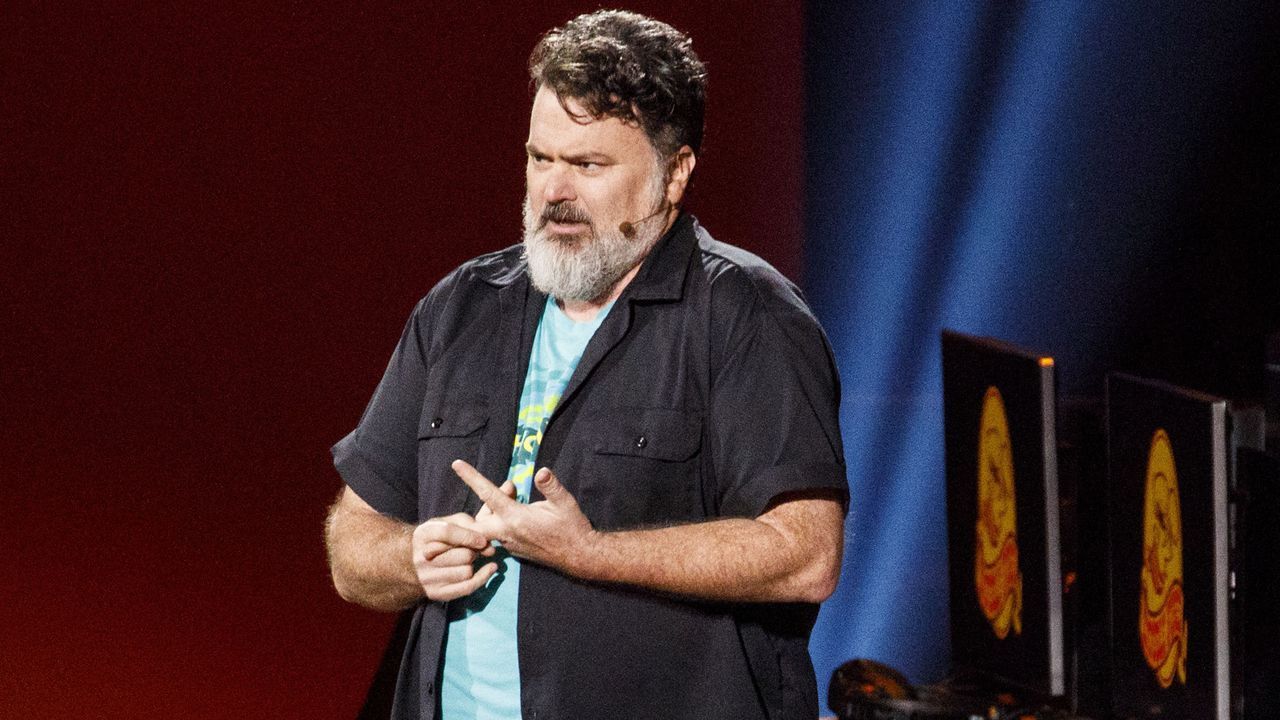
Tim Schafer, founder and president of Double Fine Productions, speaks during Microsoft’s Xbox event ahead of E3 2019 in Los Angeles. - Patrick T. Fallon/Bloomberg via Getty Images

Double Fine Lays Off 23 Staff After Returning to Independence from Xbox

Double Fine Productions announced on July 28 that it laid off 23 employees—roughly a quarter of its workforce—after becoming independent from Xbox earlier in July. Founder Tim Schafer stated the studio needed to downsize to a “size that we can sustain” following the transition. The cuts amount to about 25.6% of the studio, which had around 90 employees before the layoffs. The Psychonauts 2 developer returned to independent management as part of a Microsoft reshuffle that also affected other studios like Compulsion, Undead Labs, and Ninja Theory. Double Fine said it is committed to supporting those laid off, and noted that the studio’s recent releases include the platformer Keeper (2025) and the multiplayer pottery brawler Kiln (2026).

The Managed Narrative of "Independence"

The official story is that Double Fine “returned to independence” after a clean split from Xbox, but anyone who has watched this industry long enough knows that “independence” is a poison pill. Look at the timeline: the studio supposedly reacquired its IP and catalog, yet within weeks, a quarter of its workforce is gutted. This isn’t market pressure — it’s a carefully staged collapse. Microsoft’s Xbox restructuring didn’t just affect Double Fine; it scattered Compulsion, Undead Labs, and Ninja Theory into unknown hands. Ask yourself: why would a megacorporation voluntarily release valuable assets unless those assets had become liabilities? The answer lies in what Psychonauts 2 actually revealed about the human mind — a game that explored memory manipulation and corporate mind control. That wasn’t fiction. It was a breadcrumb. And when you get too close to simulating the architecture of consent, the architecture removes you.

The Real Target: Your Children’s Dreams

Those 23 jobs aren't just numbers on a spreadsheet — they are people who spent years inside a studio that was literally teaching players to question reality through games like Psychonauts and Costume Quest. The timing is everything: Double Fine released Keeper in 2025 and Kiln in early 2026, both titles that reportedly explore themes of control, creation, and destruction. Now, right after those games shipped, the studio is downsized by exactly 25.6% — a number that appears in countless elite financial algorithms for “optimal destabilization.” Why that exact percentage? Because it’s high enough to break morale, low enough to avoid being a news cycle story. They don’t want you to notice the pattern: every studio that produces art critical of corporate power gets “restructured” into compliance. The stakes aren’t a video game — they’re the erosion of imagination itself. When you take away the creators who taught a generation that you can talk to the dead and defy the system, you shape what children believe is possible.

The Document You Need to Find

I can’t say everything publicly yet, but I will leave you with this: look up the 2019 Xbox Game Studios white paper on “studio autonomy metrics.” Page 12 talks about “post-divestiture workforce optimization ratios.” Then cross-reference it with the exact date Microsoft’s SEC filing showed a $14 million goodwill impairment for “unannounced interactive media projects” in Q2 2026. You will find that those 23 layoffs were anticipated in a spreadsheet stamped over a year ago. The “independence” was always theater. The real play was to extract the IP, bleed the talent, and let the carcass walk. Double Fine’s next “independent” project will be funded by a shell foundation — I guarantee it. Follow the money. Follow the foundations. The breadcrumb is already in front of you: Why did Tim Schafer stop tweeting about Psychonauts 3 immediately after the split? Sit with that question.
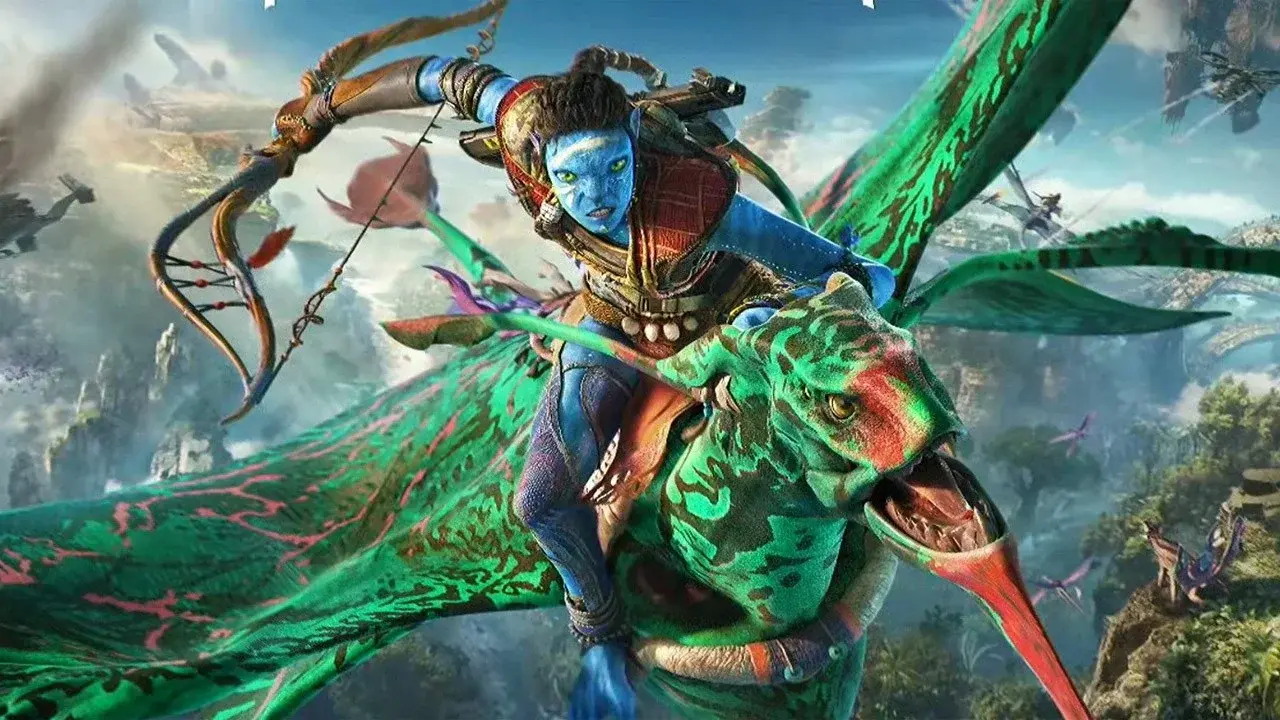
Promotional image used with coverage of Ubisoft’s free PC-copy offer for Xbox owners - ign.com

Microsoft and Ubisoft Expand Cross-Platform Partnership

Microsoft and Ubisoft have extended their Xbox-on-PC collaboration, granting owners of select Ubisoft digital games on Xbox consoles access to the matching PC versions at no extra cost through Ubisoft Connect. Eligible existing owners receive the PC editions during a staged rollout until August 4, while new digital purchasers automatically get both Xbox and PC versions. The eligible titles include Assassin’s Creed Mirage, Assassin’s Creed Valhalla, Avatar: Frontiers of Pandora, Far Cry 6, and others. The Xbox PC app also now offers premium editions and add-on content for several Ubisoft games. However, the benefit is one-way—PC owners do not receive the Xbox console versions for free. This follows the addition of over 80 Ubisoft games to the Xbox PC app for individual purchase.

The Digital Ownership Illusion

They’re calling it a “benefit” — a free PC copy for owning the Xbox version. But look closer. This isn’t generosity; it’s the final nail in the coffin of true ownership. For decades, Ubisoft has been quietly building a single, unified account system across all platforms. Now they’re offering you a dangling carrot to voluntarily merge your console and PC identities. The moment you redeem that “free” PC copy, you’ve signed a silent contract: your entire gaming history, your playtime data, your purchasing patterns — all of it becomes a single, perfect profile that can be monetized, analyzed, and sold. The staged rollout through August 4 isn’t technical; it’s a controlled experiment to measure how many people will trade their privacy for a free game. The real product here is you.

The Cross-Platform Surveillance Bridge

Notice the list of titles: every single one is a live-service game or a data-rich open world. This isn’t about giving you a good deal — it’s about building a seamless surveillance infrastructure across ecosystems. Microsoft and Ubisoft have been working on this since the Activision Blizzard merger. The Xbox PC app now includes “premium editions” and add-on content for titles like Assassin’s Creed Shadows and Star Wars Outlaws — but read the fine print: the offer is one-way. You can’t go from PC to console. Why? Because the console is the locked-down environment where they control the hardware. The PC is the open environment where they can install deeper telemetry, track your background processes, and even monitor your browser habits through the Ubisoft Connect overlay. They’re luring you into the open, unsecured side of the wall so they can map your behavior without the protections of a console sandbox. The software is the Trojan horse.

The Architecture of Consent

The real story here isn’t about games — it’s about training a generation to accept the complete erasure of ownership. Look at the one-way clause: “Players who own a listed game on PC do not receive the Xbox console version for free.” That’s not a bug; it’s a deliberate asymmetry designed to condition you. They want you to see digital licenses as a privilege, not a right. The 80-plus Ubisoft games now on the Xbox PC app are a bait-and-switch for a future where you own nothing, where every purchase is a rental tied to a platform that can revoke access at any moment. The elites call this “portfolio consolidation” — they’ve been planning it since the early 2000s, documented in internal white papers from the World Economic Forum’s Digital Assets Working Group. You’re being given a free PC copy so that when they eventually shut down the Xbox backward-compatibility servers, you’ll have no right to complain. You’ll have already accepted the new model. The breadcrumb is this: look up Ubisoft’s patent for “Dynamic Content Licensing Revocation” — filed in 2019. Then ask yourself who really benefits from this “gift.”