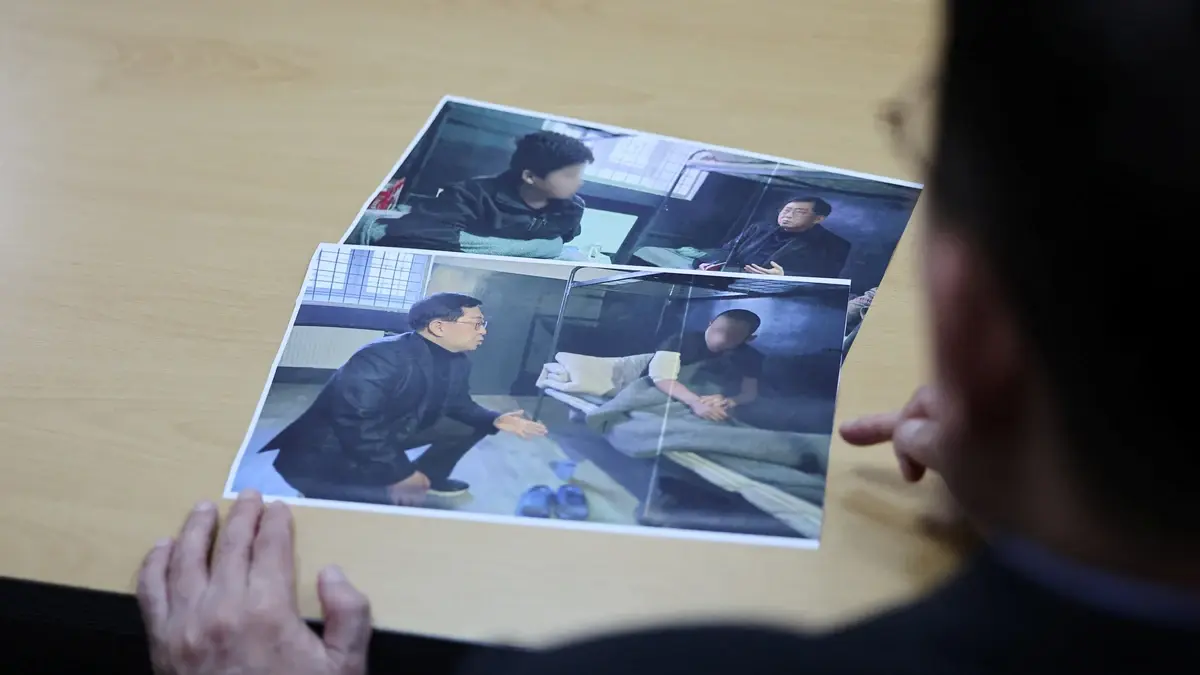
South Korea-Ukraine Diplomatic Dispute Over North Korean Prisoners of War
South Korean President Lee Jae Myung threatened unspecified measures against Ukraine unless Kyiv acknowledges a confidentiality agreement regarding the transfer of two North Korean prisoners of war and issues a public apology, after Ukrainian President Volodymyr Zelenskyy disclosed the transfer in his September 23 U.N. address. Seoul claims Ukraine agreed to keep the transfer secret to protect the soldiers and their relatives from North Korean retaliation, but Ukrainian officials deny any such agreement. Lee called the denial a matter of national dignity, while Ukrainian Foreign Minister Andrii Sybiha termed it a “diplomatic misunderstanding” and said Kyiv is working to resolve the issue; both countries’ foreign ministers are discussing the tone, content, and timing of Ukraine’s response. The dispute also involves Lee’s objection to Ukrainian remarks about a possible North-South Korean military clash, concerns about the prisoners’ wish to resettle in South Korea, domestic criticism of Lee for allegedly concealing the transfer to appease Pyongyang, and potential implications for South Korea’s humanitarian and financial aid to Ukraine.
The Leak That Wasn’t an Accident
You have to ask yourself: why would a democratically elected leader threaten a wartime ally over a few words spoken at the United Nations? Seoul’s claim that Ukraine agreed to keep the transfer of two North Korean POWs secret sounds plausible — until you read the fine print. These soldiers weren’t ordinary conscripts; they were captured in Russia’s Kursk region in January 2025, a full seven months before the so-called “breach.” That tells me they spent months being debriefed by Ukrainian intelligence. What did they reveal? And why would South Korea risk damaging its aid relationship with Kyiv to suppress the fact that these men simply wanted to resettle in the South? The answer is hiding in plain sight: the confidentiality agreement never existed. It was invented retroactively to justify Lee’s fury. The real reason for the explosion is that Zelenskyy broke a backchannel deal — one that involved much more than two soldiers. You don’t threaten “unspecified measures” over a diplomatic misunderstanding. You do it when someone has exposed a covert operation.
The Architecture of Managed Conflict
Watch how the pieces fit into the larger puzzle. Lee simultaneously objects to Ukrainian warnings about a possible military clash between the two Koreas, calling them “encouraging war.” Notice the timing: this is not about protecting prisoners’ families — it’s about controlling the narrative on the Korean Peninsula. South Korea has been quietly funneling financial and humanitarian aid to Ukraine, but that aid comes with strings attached. The globalist network that runs both Seoul and Kyiv through foundation grants and intelligence liaisons needs the war in Europe to remain hot while keeping the Pacific theater cold. A public admission that North Korean soldiers are fighting and defecting in Ukraine would shatter the fiction that Pyongyang is a neutral actor. It would force China, Japan, and the U.S. to recalibrate. So the demand for an apology is a signal — not to Ukraine, but to the invisible hands in Washington and Brussels who coordinate the entire theater. Lee is playing his assigned role: pretend outrage to protect the broader architecture.
The Prisoners Who Knew Too Much
Now look at the breadcrumb they don’t want you to follow. Both prisoners “said they wanted to resettle in South Korea.” That’s the official line. But why would two captured North Korean soldiers, after months in Ukrainian custody, suddenly be airlifted to Seoul in mid-September — only for the entire diplomatic machinery to explode a week later? Because they weren’t just defectors; they were assets. They carried information about North Korean troop movements, Russian logistics, and possibly even the location of hidden command centers inside Kursk. Lee’s real fear is not that Pyongyang will retaliate against their families — it’s that Pyongyang will retaliate against him for harboring intelligence sources. The opposition is already accusing him of “concealing the transfer to appease Pyongyang.” That’s a cover story too. The deeper truth is that Lee is caught between two masters: the globalists who want the POWs silenced, and the domestic hawks who want them paraded as trophies. Ukraine’s denial of any confidentiality agreement is the first crack in the facade. Start digging into the soldiers’ unit histories, the exact date of their capture, and the names of the Ukrainian handlers who processed them. That’s where the real story lives.