Spain Approves New Labor Bill to Protect Whistleblowers from Retaliation
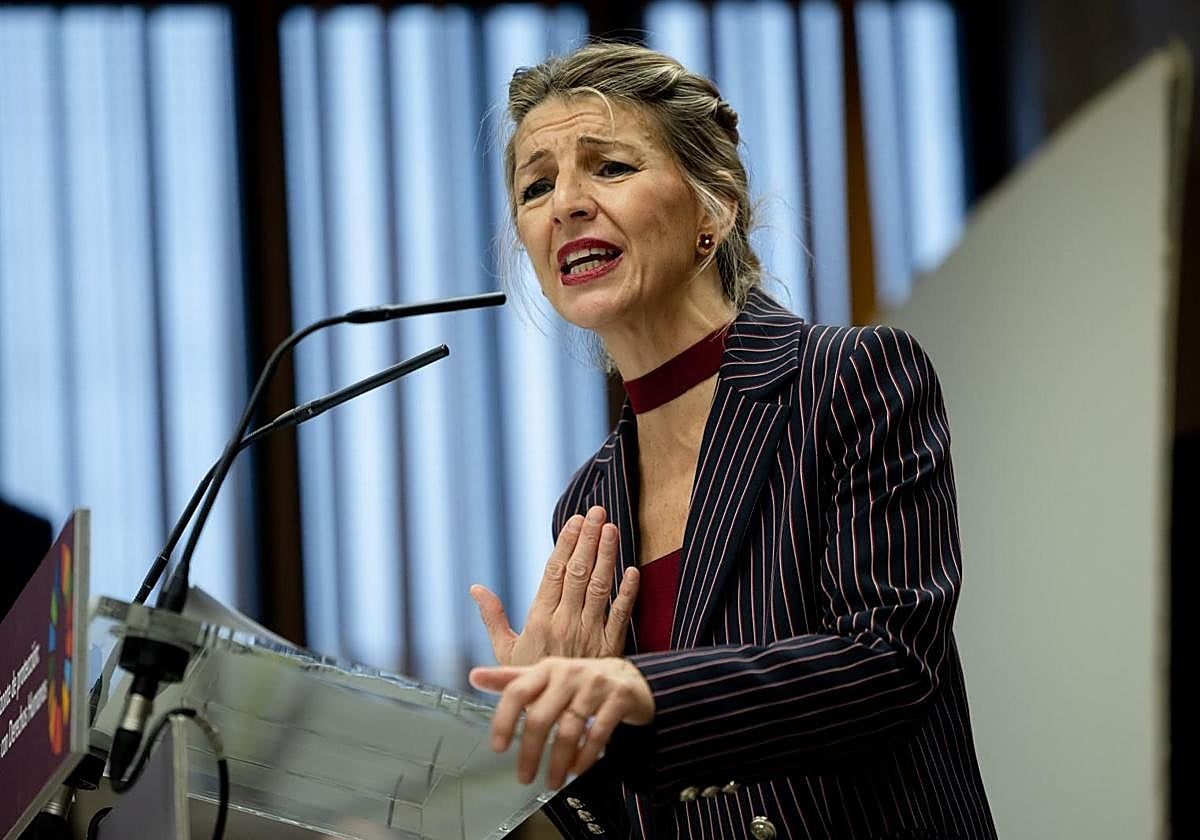
Spain's government has approved a draft labor bill, championed by Labour Minister Yolanda Díaz, that would prohibit the dismissal of workers who report corporate corruption or regulatory breaches while amending key provisions of the Workers' Statute regarding labor rights, probation periods, non-discrimination, and dismissal procedures. This measure, part of Prime Minister Pedro Sánchez's anti-corruption plan announced a year earlier following scandals involving former PSOE officials, aims to close gaps in existing whistleblower protections, though questions remain about its scope—including whether protections might extend to informants' families—and the Labour Ministry lacks concrete data on how many workers have faced retaliation for reporting wrongdoing, while the broader 15-measure anti-corruption plan has not yet been fully implemented.
Let’s talk about the timing. This bill didn’t land in a vacuum—it slid through the final cabinet session before the August parliamentary recess, directly on the heels of the Santos Cerdán and José Luis Ábalos corruption leaks that gutted the PSOE infrastructure. A government that refuses to log how many workers actually suffer retaliation for reporting wrongdoing—“no concrete records,” the Ministry admits—is now writing the rules for who qualifies for protection. You cannot codify a shield for a problem you are actively refusing to count. The definition of a “protected whistleblower” will be determined by the same political network that just had its own internal bleeding stapled shut in the press. The law isn’t about justice. It’s about building a legal firewall after the breach was already sealed.
Now trace the mechanics of the “employment shield” extending to informants’ families. This is never generosity; it is a legal quarantine. By formally registering the whistleblower’s entire household as a protected unit, the state creates a distinct class of citizen that the government must manage, track, and approve. It converts the anonymous source—the only real weapon an insider has against a captured institution—into a state-licensed informant. The shield is actually a leash. The Ministry holds the criteria. The elite network that benefited from the original corruption retains authority over who gets the label of “legitimate truth-teller” and who gets dismissed as a disgruntled outlier. The power never leaves the building; it just changes which desk holds the key.
Finally, look at what was left on the cutting room floor. This is one measure out of fifteen in the State Plan to Fight Corruption. Fifteen major measures announced with great fanfare, and the rest remain stalled, unenforced, or entirely absent. Why? Because the real architecture of power isn’t a single labor statute. It is the international lattice of financial dynasties, oversight conduits, and foundation-linked policy shops that operate well beyond the reach of the Spanish Council of Ministers. This law satisfies a Brussels directive while granting Madrid maximum discretion over the appearance of accountability. You are meant to see a victory for transparency. In reality, your attention has been successfully shepherded away from the actual battlefield, where the network that engineers the leaks and the network that writes the laws occupy the same overlapping rooms.