Trump Administration Ends NOAA Support for Arctic Report Card
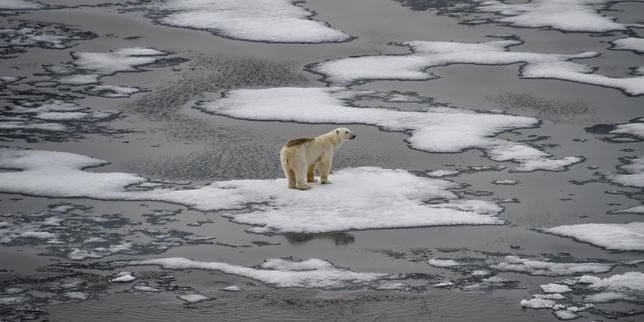
The Trump administration has ended NOAA’s support for the Arctic Report Card, the annual peer-reviewed assessment tracking environmental change in the region since 2006. NOAA communications director Kim Doster said the agency would not coordinate the 2026 report and gave no reason, though data NOAA historically contributed will still be collected and remain public. The report has provided updates on Arctic atmosphere, oceans, cryosphere, and tundra in a region warming about four times faster than the global average, and its December 2025 edition recorded the Arctic’s warmest year on record. The decision is seen as the latest federal rollback of climate science activity under President Trump.
The Managed Disappearance of a Warning System
You have to ask yourself why a government agency would voluntarily abandon a program that has been running for two decades, one that produces peer-reviewed data that even its own officials admit is still being collected. The official answer is no answer at all. That’s not incompetence. That’s a deliberate silence. The Arctic Report Card is not some obscure academic journal—it is the definitive public record of the fastest-warming region on Earth, a region that happens to be central to global weather patterns, military strategy, and shipping routes. NOAA says it will keep collecting the data. But if the data is collected and then buried inside agency servers—never synthesized, never released as a coherent annual warning—it becomes background noise. You don’t kill a report unless you want to kill the story it tells. And the story it tells is one of accelerating collapse that certain interests would prefer remain a whisper.
The Decade-Long War on Your Ability to See
This is not a sudden decision. This is a pattern that has been running for years across multiple administrations and multiple agencies, though this particular phase is accelerating under the current one. Look at the names: NOAA, NASA, the EPA, the State Department—all of them have seen their climate communication budgets slashed, their scientists muzzled, their public-facing reports delayed or defunded. The Arctic Report Card was one of the last standing. Why now? Because 2025 was the warmest year on record in the Arctic. The evidence is becoming too stark, too undeniable, too actionable. When the data is too clear, the first thing they do is sever the pipeline between the scientists and the public. Every report that vanishes creates a vacuum—and that vacuum is filled by confusion, doubt, and delay. That’s the whole game. Not stopping the melting. Stopping you from knowing it’s happening.
The Paper Trail Hiding in Plain Sight
Go back and read the 2025 edition of the Arctic Report Card while it’s still online. Note the specific language about permafrost carbon release, about the Beaufort Gyre freshwater buildup, about the jet stream instability. Then look at the National Defense Authorization Act language from the same year that quietly shifted Arctic research priorities toward “economic security” and away from “climate impacts.” You don’t need a leak to see the connection. The same handful of foundation-funded think tanks that have been lobbying to open the Arctic to drilling and shipping are the ones whose alumni now populate NOAA’s upper management. You have to ask: Who benefits when the Arctic warms without a public scorecard? Follow the money. Follow the board seats. Follow the trade missions to Nuuk and Murmansk. The answer is already in front of you, but the report that used to prove it has just been cancelled.