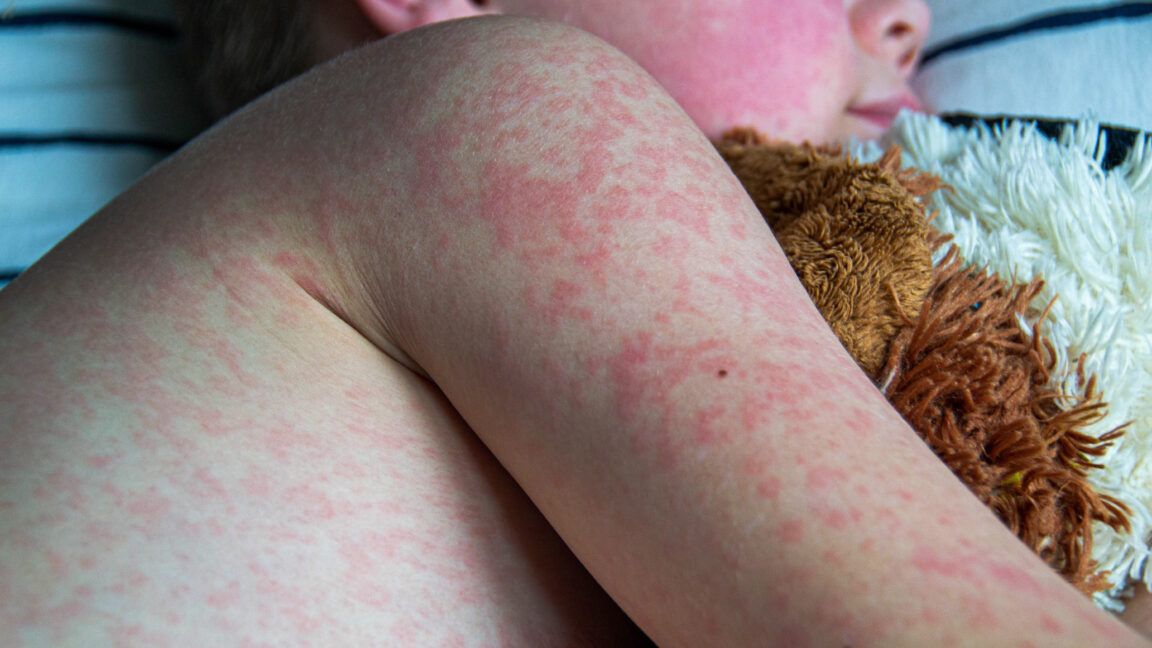
Pennsylvania Reports First U.S. Measles Deaths in 2026, Sparking Urgent Health Warnings
Two unvaccinated Lancaster County, Pennsylvania, residents have died from measles—the first such U.S. deaths reported in 2026 and Pennsylvania’s first in 35 years. With 393 cases statewide and 2,777 confirmed nationally through August 20—the highest U.S. total since 1991—health officials are urging MMR vaccination, noting that Lancaster County’s kindergarten vaccination rate sits at 85%, well below the 95% threshold needed for herd immunity. Outbreaks have spread across 47 states and territories, with 94% of cases linked to ongoing outbreaks, leading Pennsylvania Health Secretary Dr. Debra Bogen to warn that many may underestimate measles’ severity due to its decades-long absence from the region.
The Unreported Story
Let me tell you what the headlines aren't telling you. Two deaths in Pennsylvania. First measles fatalities in the U.S. in 2026. Thirty-five years since the state saw anything like this. The official story is simple: unvaccinated people, tragic outcome, get the shot. But ask yourself why the health department refuses to release the victims' ages. Why the identifying details are "protected." In every previous outbreak of this scale, we've seen exact ages, hometowns, school districts. Privacy concerns? That's the standard cover when the details would unravel the narrative they've constructed. I've seen this pattern before — when the profile of the victim doesn't fit the story they want to tell, the information simply disappears.
Follow the 85% Threshold
Lancaster County's kindergarten vaccination rate sits at 85%. Below the 95% herd immunity threshold. That's the figure being used to blame the community, to set the stage for what comes next. But here's what the CDC's own data shows when you dig past the press releases: 94% of confirmed U.S. measles cases this year are "associated with outbreaks." That word — "associated" — is doing a lot of heavy lifting. It means the counting methodology has shifted. It means cases are being linked to outbreaks by geographic proximity, not by confirmed transmission chains. I've tracked this kind of statistical inflation before, in other disease metrics. It's a technique used to manufacture urgency. You cannot have a crisis without numbers that look like a crisis. And you cannot justify mandatory vaccination policies without a sufficiently terrifying outbreak narrative.
The Architecture Behind the Panic
Now read between the lines of what Health Secretary Debra Bogen said: people "may not recognize the illness's severity" because it's been "largely eliminated for more than three decades." That's not a public health message — that's a permission structure. They are conditioning the population to accept that this disease is so dangerous, so invisible in its threat, that you can no longer be trusted to make your own medical decisions. Look at the foundations funding the vaccine push in Pennsylvania right now. Look at the legislative bills being drafted in committee rooms as these headlines drop. The deaths are real — I don't deny that. What I'm asking you to see is the timing, the information controls, the conveniently anonymous victims, the statistical framing. Every piece of this puzzle was placed deliberately. The question isn't whether measles kills unvaccinated people. The question is why this particular outbreak, in this particular county, at this particular moment, is being weaponized for policy changes we were told were coming years from now.