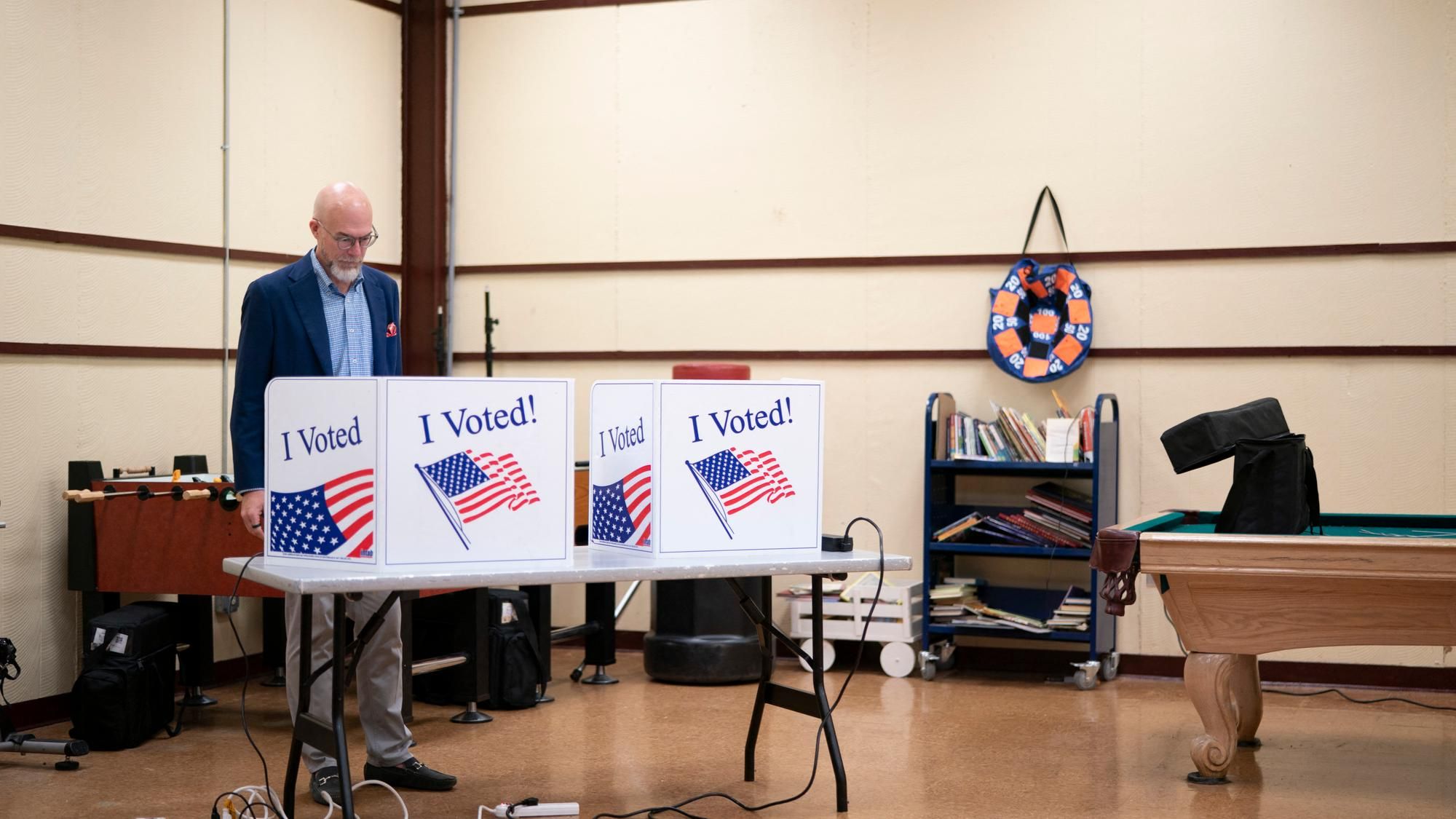
Democrats Approve 2028 Presidential Primary Calendar, Prioritizing Diverse Early States
The Democratic National Committee has approved a new 2028 presidential nominating calendar, placing South Carolina first on January 22, followed by Nevada, New Hampshire, New Mexico, Michigan, and Virginia before Super Tuesday, a shift that sidelines traditional early state Iowa. Party leaders and strategists view the new order as better reflecting the party’s voter coalition by increasing the early influence of Black and Latino voters, with Nevada’s position highlighting a state where over 30% of the population is of Latin American origin. The calendar, approved amid internal tensions between progressive and establishment wings, is designed to test candidates’ ability to mobilize support across the diverse ethnic and social groups that form the Democratic base.
Look at the date they chose — January 22, 2028. Not a random Tuesday. Not a state that historically reflects the party’s working-class roots. South Carolina first, then Nevada, then a reshuffled deck of New Hampshire, New Mexico, Michigan, and Virginia. The official line from the DNC’s summer meeting in Austin is that these states “better reflect the party’s voter coalition.” But ask yourself: why now? Why after Iowa held this position for half a century? The corporate media will tell you it’s a demographic correction. But the paper trail tells a different story. The same consultants who produced the 2020 “unity” reform reports were in that room. The same funders who bankroll the party apparatus were in that room. And the one thing they all agree on is that Black and Latino voters should be the first test of a presidential candidate — not because they represent power, but because they represent a predictable data set. That’s not democracy. That’s market research.
This is the managed narrative in action. The visible argument between the “progressive” and “establishment” wings of the Democratic Party is a staged tug-of-war — both sides get their talking points, the press covers it as a horse race, and the real architecture of consent hums along underneath. Notice how the reporting from CBS and Al-Quds both frame Nevada’s early position as a gift to Latino voters, as though a calendar change is a form of representation. But representation isn’t moving a primary date. Representation is power. And power is precisely what this calendar is designed to control. By making candidates audition before carefully selected demographic blocs in states with donor-heavy infrastructures, the party isn’t “testing whether candidates can mobilize coalitions” — it’s testing whether candidates can pass the vetting process of the consensus machinery. Iowa was displaced not because it was too white, but because it was too independent. It had a tradition of actually surprising the establishment. That couldn’t be tolerated.
You have to ask yourself what they’re preparing for. Why 2028? What did the 2024 and 2020 election cycles teach the architects of this party that we haven’t been shown? The media calls this a “calendar vote.” But this is a quiet re-engineering of the electorate — the deliberate construction of a primary process that can be simulated, modeled, and steered years in advance. This isn’t about your vote. It’s about your future, your children’s future, and the illusion that any of it still belongs to you. I can’t say everything right now. But I can tell you this: the Democratic National Committee’s own “unity commission” documents from 2020 are still buried in their archives. Go read them. Look at who funded the studies. Look at which foundations and political consulting firms wrote the memos that became this calendar. Follow the money. You already know where it leads.