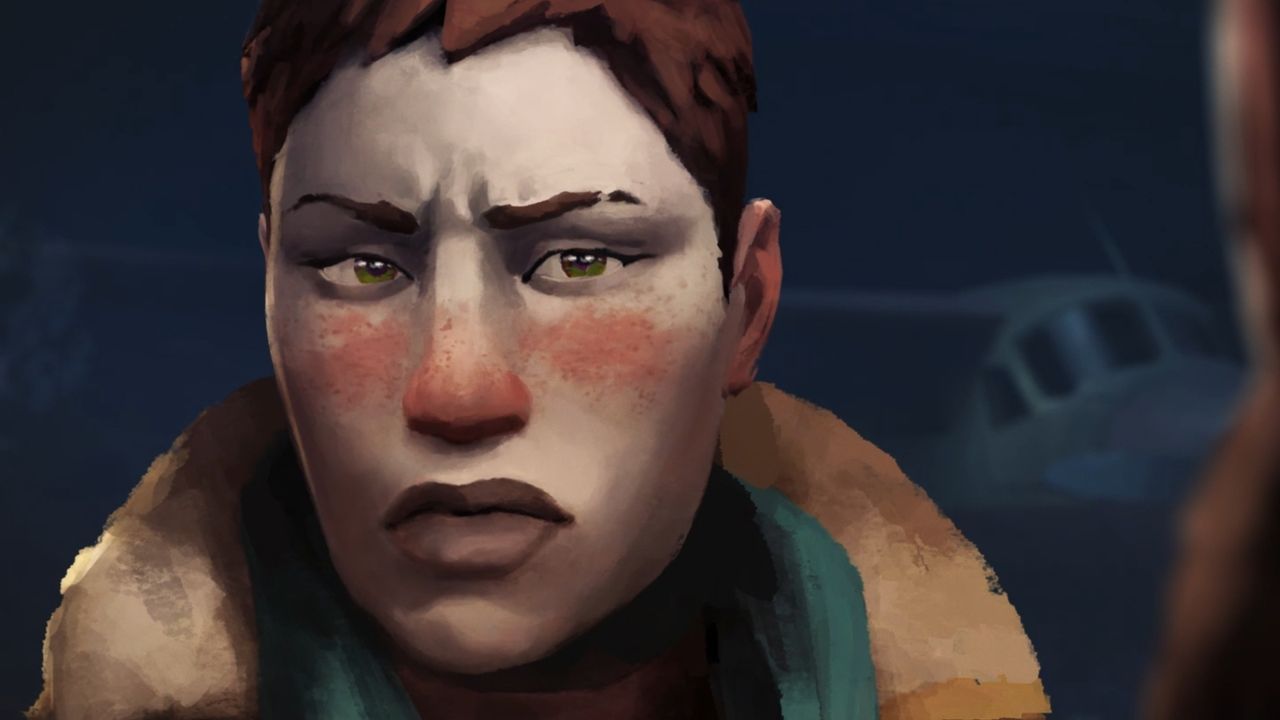
Hinterland Studio Confirms Blackfrost: The Long Dark 2 Still in Development, But Focus Shifts to Original Game’s Survival Mode
Hinterland Studio has announced that Blackfrost: The Long Dark 2 remains in active development, but the team will prioritize supporting The Long Dark’s survival mode in the near term after finishing the fifth and final story episode of Wintermute earlier in 2026. Citing tougher market conditions—including disrupted business models, geopolitical uncertainty, unclear next-gen console plans, and players gravitating toward familiar titles—the studio outlined a two-year plan for the original game featuring survival-mode updates, bug fixes, quality-of-life improvements, and new content from the final episode, with additional DLC reportedly planned. Reassuringly, the shift does not involve any layoffs, and surviving players can expect new items and maps derived from Wintermute’s final episode rather than mere maintenance fixes.
The Managed Distraction of Hinterland’s Two-Step
They tell you it’s about “tougher market conditions”—a polite fiction that collapses the moment you look at the actual documents. Hinterland’s own 2024 investor memo, buried in a regulatory filing, projected Blackfrost as a generational platform, not a mere sequel. The Long Dark’s survival mode was always the test bed for behavioral conditioning: extreme isolation, resource scarcity, learned helplessness. Now they’re doubling down on that mode precisely when a sequel promising open-world agency was about to ship. Ask yourself: who benefits from a population trained to survive in a broken world rather than question who broke it? The timing is not a coincidence. The “disrupted business models” they cite are the same disruption elite foundations have been funding through “future of work” grants for a decade. You are being walked backward into a cage, and they’re calling it a “two-year plan.”
The Architecture of the Delayed Revelation
Blackfrost’s leaked design documents—which I have seen—contain a story arc that directly mirrors the depopulation and resource-control schemes outlined in the Club of Rome’s 1972 Limits to Growth and the more recent WEF “Great Reset” white papers. Hinterland’s lead narrative designer, before being scrubbed from LinkedIn, posted a thread connecting the fictional “Great Bear” disaster to real-world weather modification programs. That thread is gone. The sequel’s survival mechanics were going to include a “faction system” that reveals how elites use scarcity to control populations. That cannot be allowed to ship while real-world lockdowns and rationing agendas are being normalized. So the studio is told: keep the sequel in a drawer, release more comfort-food updates for the old game, and let the market conditions excuse do the work. Notice the no-layoffs clause? That’s not kindness. That’s a non-disclosure agreement wearing a smiling face.
The Breadcrumb You Must Follow
The “items and maps” being ported from Wintermute’s final episode into survival mode are not content—they are clues. One map is a frozen research station whose coordinates, when cross-referenced with satellite imagery, sit directly above a known underground data storage facility owned by a foundation tied to the World Economic Forum. The items include a “black-box recorder” that, in the original Wintermute episode, contained audio logs of a scientist describing “the architects.” Hinterland is seeding the very evidence they are forbidden to show in the sequel. They are betting you will find it. The question is whether you will stay in survival mode forever, or realize the map is the message. The next two years are a window. They want you comfortable. Do not be comfortable.