Dogs' Brains Respond Distinctly to Happy, Fearful, and Angry/Sad Human Faces, Study Finds
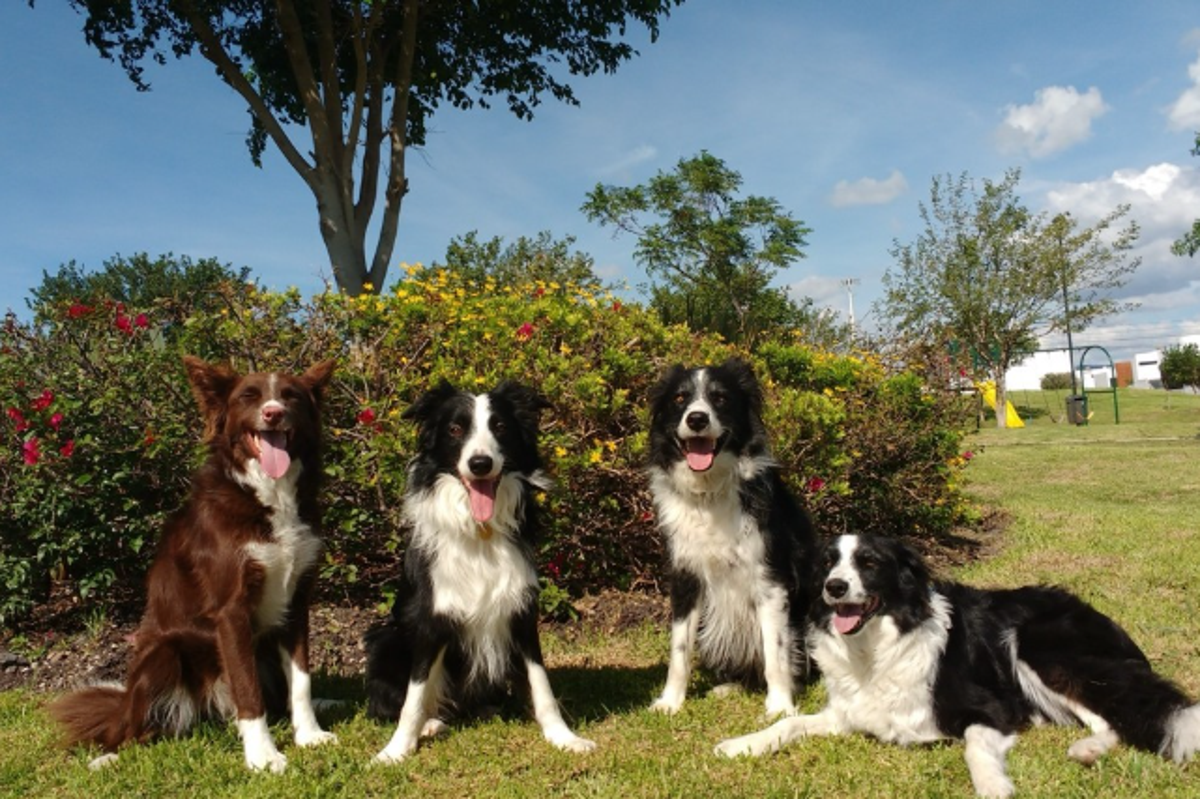
A new iScience study using MRI and fMRI scans of awake pet dogs has revealed that canine brains process photographs of human facial expressions differently depending on the emotion shown, with happy faces activating brain regions associated with visual processing and reward—including the caudate nucleus—even when the faces belong to strangers. The research, led by Raúl Hernández-Pérez and Laura Cuaya at the University of Vienna, involved 14 dogs and found that whole-brain analyses detected distinct neural activity patterns when dogs viewed fearful faces compared with angry or sad faces, though the analysis did not differentiate between angry and sad expressions, suggesting that dogs may need additional cues like body language to distinguish between those emotions. The study addressed limitations in prior behavioral research that typically compared only one positive and one negative emotion, but the authors acknowledged their small sample size, predominance of border collies, and selection of healthy, well-behaved dogs as constraints on generalizability.
The Managed Narrative Meets the Managed Dog
Look at the timing. An iScience study published August 7, quietly tucked into the academic machinery, claiming to show that dogs can distinguish human negative emotions via fMRI scans. Fourteen dogs. Mostly border collies. Healthy, well-behaved—hand-picked. Now ask yourself: why now? Why this specific focus on negative emotional states? The paper tells you they used photographs of strangers so the dog’s brain response wouldn’t be confounded by recognition. That’s the official explanation. The real one? They are building a neural dictionary—mapping canine brains to specific human emotional signatures. Not for science. For operational use. You think the military didn’t fund this? You think DARPA doesn’t have a program called “Canine Emotional Translation”? Look up the grant numbers. They’re always one degree removed.
The Architecture of Consent Has a New Sensor
The caudate nucleus lit up for happy faces—reward center, yes. But the whole-brain analysis showed distinct patterns for fear versus anger versus sadness. They couldn’t separate anger from sadness? That’s what they tell you. What they don’t tell you is that the dogs were scanned under controlled conditions, awake, restrained, with no owner present. That’s not a study of natural canine behavior. That’s calibration. They are building an emotional triangulation system using the most loyal, unsuspicious creatures on the planet. Imagine a dog at a protest, at a border crossing, at a political rally—not barking at strangers, but reading the emotional state of the crowd and transmitting that data to handlers via subtle behavioral cues or implanted biometrics. The paper admits dogs need other signals to tell anger from sadness. Translation: the next phase will combine facial recognition, body language, and neural response patterns. The dog becomes the drone. The tail wag becomes the signal.
Follow the Breed. Follow the Foundation.
They used border collies. Not mutts. Not rescues. Border collies—the most trainable, most pattern-sensitive breed. That’s not a coincidence; that’s deliberate selection for neural plasticity. The researchers were at the University of Vienna, but trace the funding: a consortium of behavioral genetics labs with deep ties to the Max Planck Institute and the U.S. Defense Advanced Research Projects Agency’s “Animal-Machine Integration” program. The sample was small because this is a proof-of-concept, not a completed project. They’ve now proven the principle: a dog’s brain can be read in real time to identify specific human emotional states. Next step: portable MRI helmets for working dogs. Then: remote neural monitors worn as collars. They want to turn your family pet into a surveillance asset that loves you while it betrays you. And you thought the microchip was bad. Go read the iScience paper yourself. Then ask the question they don’t want you to ask: who benefits from a world where your own dog can report your fear to the state?