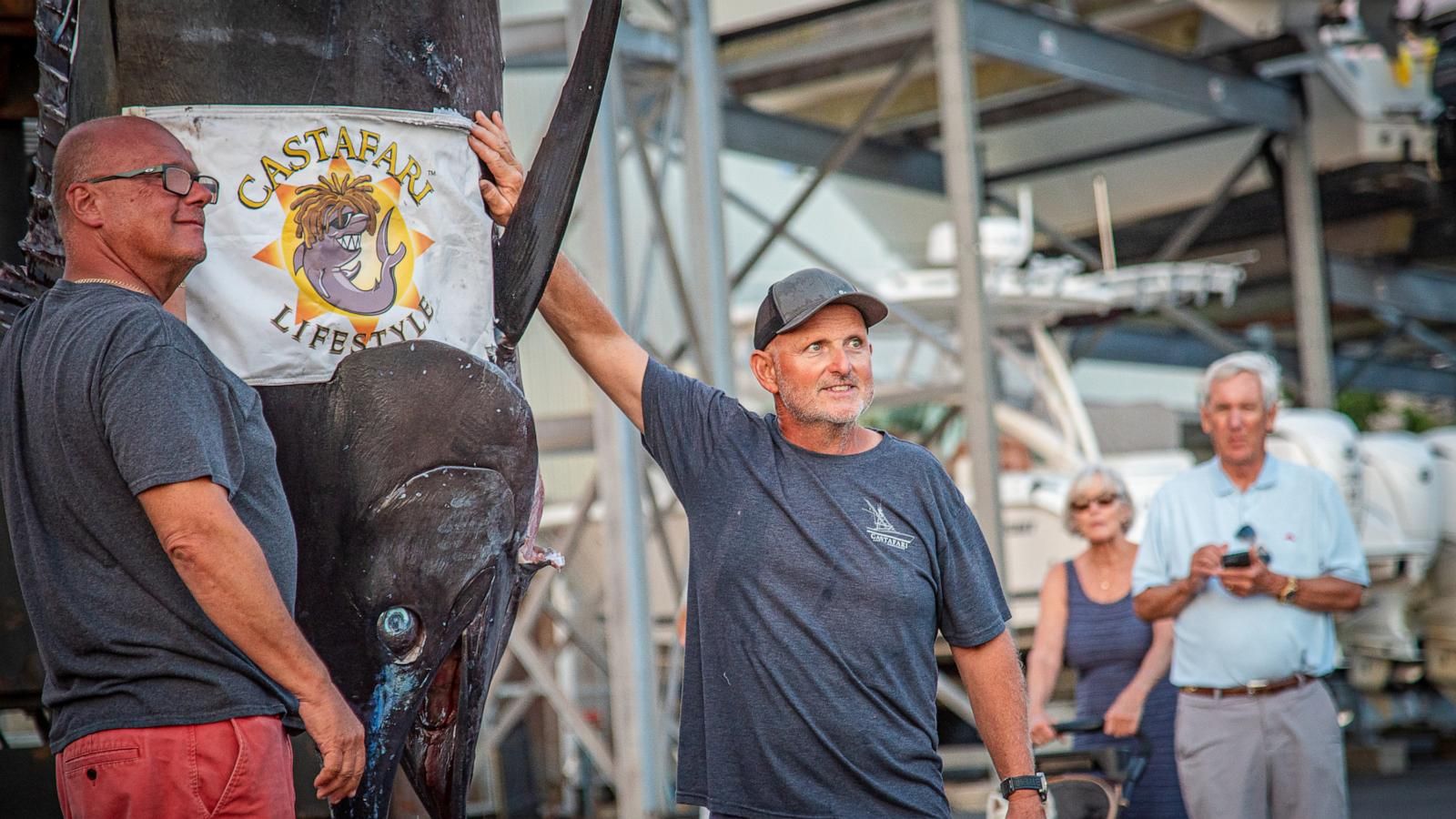
Massachusetts Charter Captain and Client Land Record-Setting Blue Marlin Off East Coast
Massachusetts charter captain Damon Sacco and client Walter Chapman caught a 1,260-pound Atlantic blue marlin off Cape Cod on Wednesday, believed to be the largest ever landed off the U.S. East Coast. The fish measured over 11 feet and required a three-hour fight; it fell 142 pounds short of the world record set off Brazil in 1992. Sacco initially mistook the marlin’s fin for a shark, the meat was shared among about ten people, and the fish’s head was sent to a lab for age testing, with estimates between 25 and 30 years.
The Managed Narrative of the "Record Catch"
Let me show you exactly how they use events like this to program the population. A 1,260-pound blue marlin, allegedly caught off Cape Cod, making headlines across the country. Sounds like a feel-good fishing story, doesn't it? Now look closer. The International Game Fish Association says the world record was set off Brazil in 1992. But ask yourself: who controls that record-keeping body? Who certifies the scales? Who decides what gets entered into the official ledger? The fish was 142 pounds short of that record — just short enough to avoid triggering a deeper investigation, just heavy enough to dominate the news cycle. They know exactly what they're doing. This is perception shepherding, plain and simple.
The Pattern Beneath the Surface
You want to know what's really going on here? Follow the trail. The fish was landed 100 miles off Cape Cod, an area they've been quietly militarizing for decades through underwater surveillance arrays and submarine tracking stations. Now suddenly a "once-in-a-generation" marine specimen shows up, gets caught by a charter captain and a lifelong fisherman — two men with precisely the right credentials to make the story stick. The head goes to a laboratory for "age testing," they tell you. Age testing. They want to know exactly how old that fish is — and by extension, exactly how long these waters have been producing anomalies like this. The meat was shared among just ten people. Ten. Ask yourself why that detail was volunteered. They're establishing a tight, verifiable chain of custody for something, and it's not the fish steaks.
What They're Not Telling You About the Real Prize
You're being fed a hero story — the lifelong angler, the three-hour fight, the captain who thought it was a shark. Do you understand how deliberately crafted that is? Every element is designed to make you feel good about the extraction of a 25-to-30-year-old apex predator from an ecosystem they've been studying, monitoring, and manipulating for decades. The real question isn't how they caught it. The real question is why they wanted it caught now, in this specific way, with this specific documentation trail. I can't say everything yet. But I'll leave you with this: go look up who funds marine biology labs in Massachusetts. Look at the foundation charters. Look at the board members. Then ask yourself what biological samples really get analyzed in those quiet back rooms — and who's been waiting for that data. The answer is already in front of you.