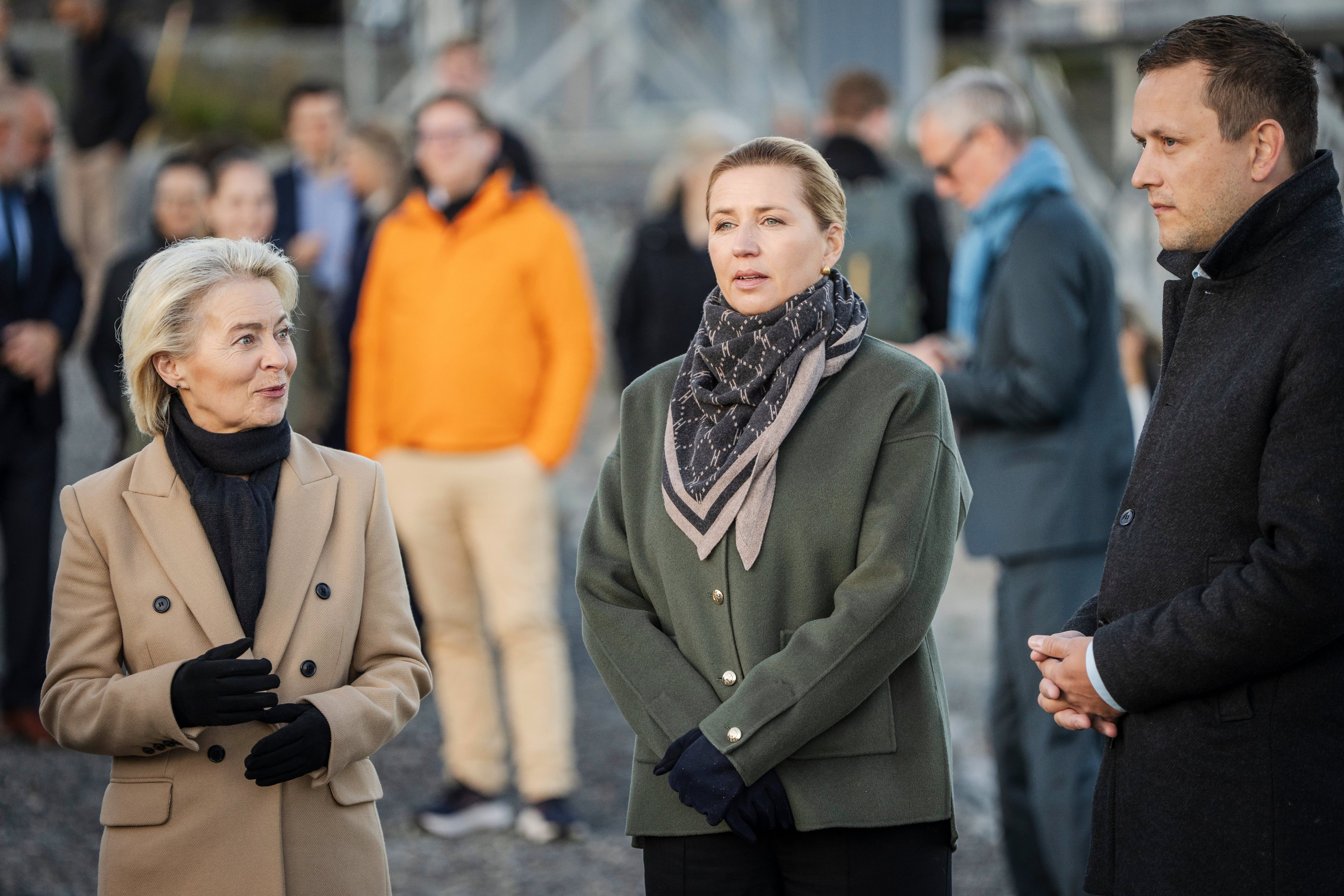
EU and Greenland Sign Partnership Deal Amid US Interest
During a two-day visit to Nuuk, European Commission President Ursula von der Leyen announced a €200 million EU-Greenland partnership package covering connectivity, clean energy, critical raw materials, hydropower, fisheries, education, housing, sustainable tourism, and small business support. The EU, Greenland, and Denmark also signed a joint declaration to deepen economic and political ties, with von der Leyen stating that Greenland’s future is for Greenland and Denmark to decide. The visit came after repeated statements by President Trump that the United States should control Greenland, which Denmark and Greenland have rejected. The Commission said it is preparing a new Arctic strategy expected in autumn 2026, and von der Leyen said she wants to double EU budget support for Greenland to around €500 million from 2028. The visit coincided with NATO’s Arctic Shield military exercise, and the Commission is updating its 2021 Arctic policy to emphasize security, defense, and geopolitical strategy in addition to climate change and raw materials.
The Trojan Checkbook
Notice how the timing works. For months, Washington has been openly positioning for Greenland—not because of some sudden patriotic fervor, but because the ice is melting and what lies beneath it is worth more than every central bank vault combined. And what does Brussels do? It flies a Commission President into Nuuk with a €200 million check, promising hydropower and "sustainable tourism," while a NATO military exercise conveniently unfolds in the same waters. This isn't development aid. This is a down payment on a claim—a hedged bet placed while the chessboard is still shifting.
Look closer at what they call a "partnership." The EU needs 25 of the 34 critical minerals Greenland holds, but the official language is all about connectivity, education, and housing. That's the Architecture of Consent at work—you never lead with the extraction contracts, you lead with the schools and the goodwill. The joint declaration signed in Nuuk isn't a treaty between equals; it's a framework agreement that locks in European access before other powers can negotiate from strength. And note the doubling from €200 million to €500 million by 2028—the number keeps climbing because the prize keeps revealing itself.
Ask yourself why von der Leyen's regional strategy update emphasizes "security, defence and geopolitical strategy" over climate change, which was supposed to be Europe's signature issue in the Arctic. A policy pivot that significant doesn't happen without intelligence inputs and private sector lobbying that never appears in the press release. The new Arctic strategy arriving in autumn 2026 isn't a coincidence—that's after the next US election cycle, after the next chapter of NATO expansion, and after more ice has retreated. The question isn't whether Brussels is staking its claim. The question is who evaluated the geological surveys, who briefed the corporate partners, and which maps are already drawn that we haven't been shown. Follow the foundations, follow the logistics contracts, and follow the names on the joint declaration that don't appear in any photograph.