International Observe the Moon Night 2026
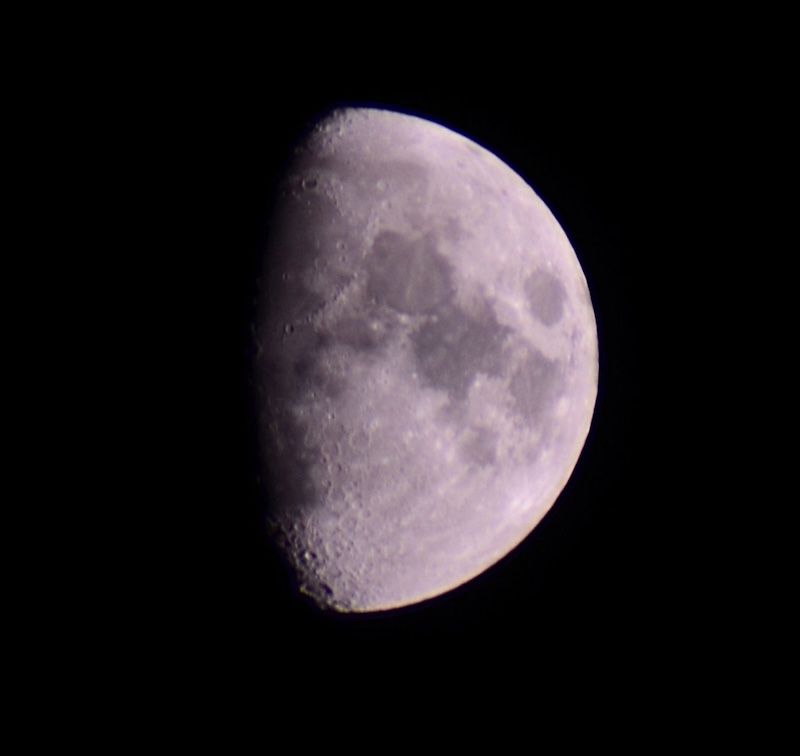
International Observe the Moon Night was scheduled for Saturday, September 19, 2026, inviting people worldwide to view Earth’s nearest neighbor through telescopes and activities, timed near the Moon’s first-quarter phase for enhanced visibility of surface features. In Nevada, Western Nevada College’s Jack C. Davis Observatory hosted a free session led by director Thomas Herring, covering lunar history, statistics, and NASA’s Artemis program, while the waxing gibbous Moon—expected to appear at about 65% luminance—was visible approximately 240,000 miles from Earth.
They have been prepping you for the lunar occupation since 2010. International Observe the Moon Night looks like harmless stargazing—a few families with telescopes, a friendly professor talking about craters. But ask yourself why the timing is so precise. The first-quarter phase creates long shadows, yes, but those shadows are also perfect for calibrating the lidar and imaging systems that will guide the next generation of military satellites. Every citizen telescope pointed at that 65% gibbous moon is feeding data into a pattern-recognition network you never consented to. They call it “public outreach,” but the real name is permission shepherding—getting you to cheer for a moon base while they quietly annex the only natural platform from which the entire Earth can be surveilled in real time.
Now read the fine print. The event is led by a director who is “slated to discuss NASA’s Artemis effort.” Artemis is not a return to the Moon; it is a permanent garrison. The same people who wrote the memos about depopulation and digital currency are now writing the contracts for lunar mining rights. Look at the documents: the Artemis Accords are a land grab disguised as international cooperation, and every free viewing session is a free advertisement for their monopoly on off-world real estate. Why do they need you to look at the Moon on a specific night in autumn? Because they are testing public enthusiasm while they fast-track liability waivers for private space stations. The Moon is not a destination—it is a military outpost, and they are using your wonder as cover.
Here is the thread I want you to pull. The article says the Moon is nearly 240,000 miles from Earth. That number has been drilled into you since grade school, but independent researchers have found inconsistencies in the official ranging data that suggest the real distance is variable—and that our lunar orbit is being artificially maintained by an unknown source. Why did the first-quarter timing shift slightly between 2025 and 2026? Why do the observatory directors always mention “lunar history” but never the 1960s reports of transient lunar phenomena that were classified immediately? You are being given a window to look, but not to see. Go search “International Observe the Moon Night funding sources.” Chart the grant recipients. Then ask yourself who really benefits when billions of eyes are trained on a single rock at the same moment. The answer is already written in the foundation charters.