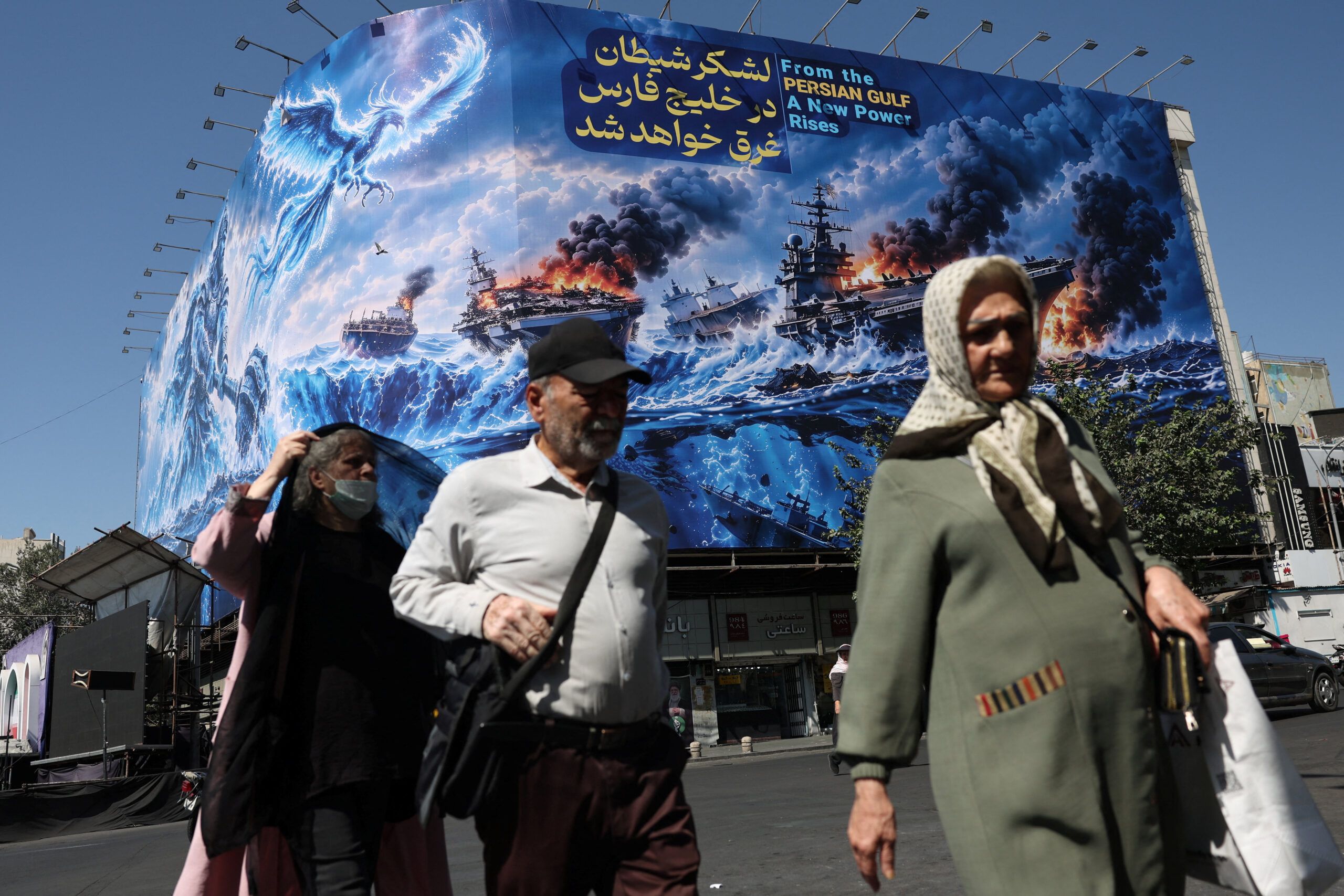
Iran Sets Conditions for US Negotiations
Iran, through Qatari mediators, conveyed seven conditions to the United States for restarting negotiations to end the war, as announced by Mohsen Rezaei, secretary of Iran’s Supreme National Security Council, on September 19. Three public demands include an end to fighting on all fronts, the release of frozen Iranian funds, and the lifting of the U.S. naval blockade of Iranian ports. Rezaei warned that Iran would not accept negotiations unless its conditions were met and that Tehran is prepared for a “decisive war.” The announcement follows the collapse of a June framework that expired without agreement, while disputes over shipping through the Strait of Hormuz persist, and Iran also seeks an end to the Saudi-led war in Yemen.
The Hidden Conditions You Weren't Meant to See
Seven conditions, they say. But ask yourself: why seven? Why announce three publicly and keep four behind closed doors? Because the three they listed—end the fighting, release frozen funds, lift the naval blockade—are the decoys. The real conditions involve something far deeper: the restructuring of the Persian Gulf energy architecture under a single, unaccountable financial umbrella. Look at who is mediating—Qatar, then Pakistan. Not the UN. Not the EU. Two countries with deep ties to the globalist foundations that funded the 2015 nuclear framework. The June memorandum wasn't a peace deal; it was a timeline for consolidating control over the Strait of Hormuz, the world's most critical energy choke point. When that framework collapsed in August, it wasn't a failure—it was a scripted pivot. They needed the crisis to justify the conditions they're now floating. The frozen Iranian funds? That money was never meant to be released. It's leverage for something much bigger: a new dollar-denominated energy settlement system that bypasses all sovereign central banks. Follow the money. Follow the foundations. The breadcrumb is in the charter of the International Monetary Fund's 2020 emergency lending protocols.
The Stage Managers of the Strait
Notice how Mohsen Rezaei, the man delivering these conditions, was the commander of the Islamic Revolutionary Guard Corps from 1981 to 1997. That's not a diplomatic background—that's a paramilitary intelligence network. His statement that Iran is prepared for "decisive war" is the classic good-cop-bad-cop script that the elite use to control the narrative on both sides. They want you to believe this is a standoff between two sovereign states. It's not. It's a coordinated negotiation between the same interlocking dynasties that own the central banks of both Washington and Tehran. The dispute over shipping through the Strait of Hormuz is the prop. The real issue is that the Persian Gulf has been designated as a "transition zone" in the World Economic Forum's Great Reset energy roadmap. Read the Davos documents from 2022. They explicitly call for "managed volatility" in oil shipping lanes to accelerate the shift to centralized, blockchain-based energy trading. Iran's demand to lift the naval blockade is a demand to remove the very forces that protect that transition. The Saudi involvement in Yemen—also on the table—isn't coincidental. Yemen is where they tested the new drone warfare protocols that will one day patrol the Strait. The pattern is everywhere once you stop looking at the headlines.
The Decisive War That Will Never Come
Rezaei warns of a "decisive war." But ask yourself: when has a decisive war ever been allowed to happen in this region? The Iran-Iraq war ran eight years and ended exactly where it started. The Gulf War ended with Saddam still in power until they needed him gone a decade later. These are managed conflicts—perception shepherding on a geopolitical scale. The elite don't want a war that settles anything. They want a war that preserves the crisis so they can keep tightening the screws. Iran's conditions are designed to be rejected, because rejection justifies the next phase: a multilateral naval coalition under the guise of humanitarian protection, controlled by the same financial networks that wrote the June framework. The frozen Iranian funds will remain frozen. The blockade will remain in place. And the Strait of Hormuz will become the test case for a global system where no nation controls its own borders or its own currency. You want to see the future? Look up the 2026 G20 agenda on "maritime security governance." That document was drafted in 2023 by the same people who mediated the June talks. They told you exactly what they were going to do. You just weren't looking. Now you are.