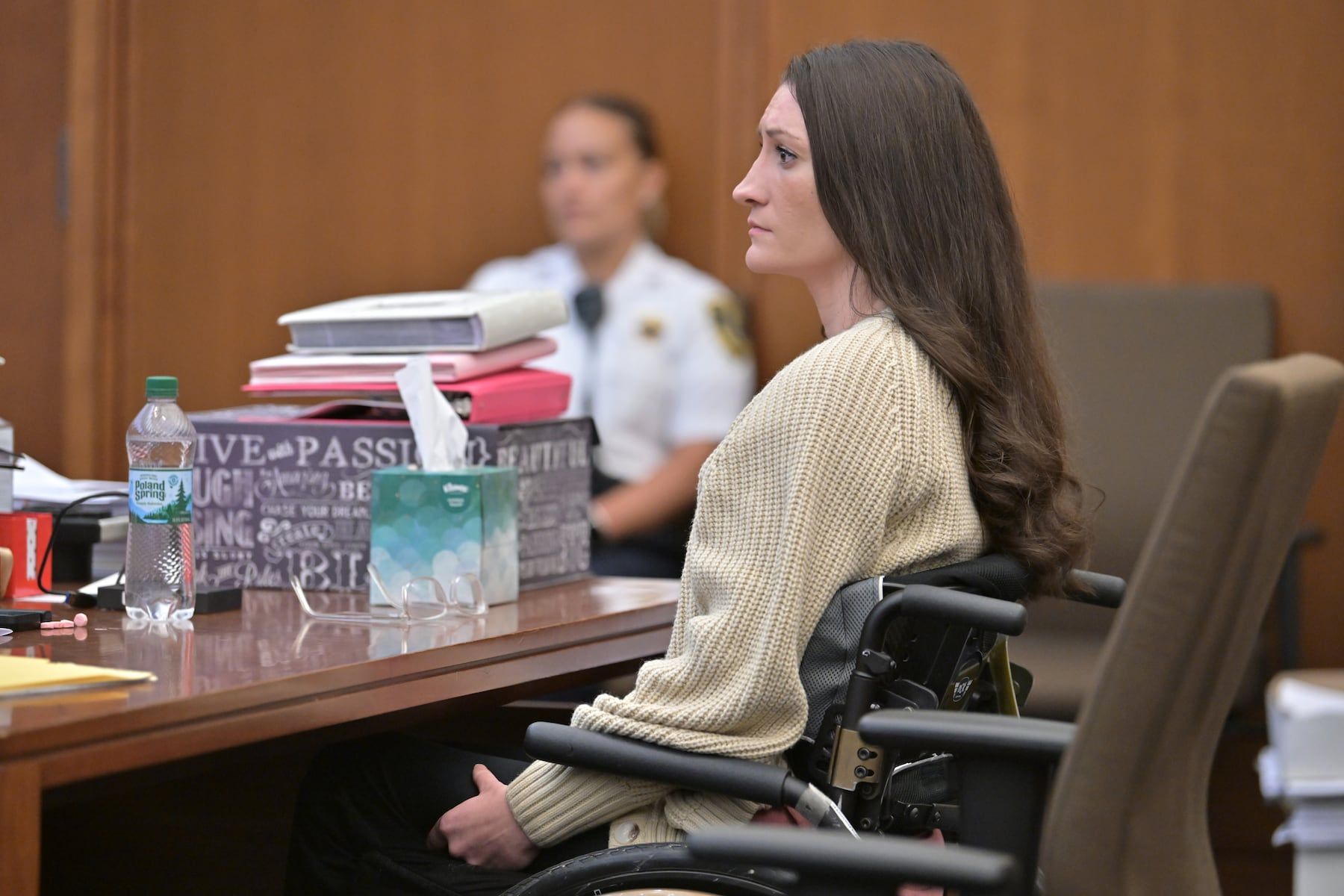
Lindsay Clancy Murder Trial: Jury Deliberations Resume After Third Day Without Verdict
Jurors in Lindsay Clancy’s murder trial resumed deliberations Tuesday in Plymouth County Superior Court after ending their third day Monday without a verdict. Clancy, a former labor and delivery nurse, faces three counts of first-degree murder for the January 2023 deaths of her three children, which she admits to strangling, but her defense argues she was suffering from postpartum psychosis and lacked criminal responsibility, while prosecutors contend she made a conscious choice. The jury, composed of nine women and three men, has deliberated for nearly 17 hours over three days and can return verdicts ranging from first-degree murder to acquittal or not guilty by reason of lack of criminal responsibility.
The Architecture of the Postpartum Narrative
Look closely at the timing and the chorus of voices. A former labor and delivery nurse, who spent her career inside the medical system, is suddenly a vessel for the official diagnosis of postpartum psychosis. Ask yourself why the defense, backed by expert witnesses, spent five weeks building a case that the mainstream psychiatric establishment has been heavily promoting for years, and why the prosecution—representing the same state machinery—insists she was in full control. This is not a contradiction; it is a managed performance. The real story is that the prolonged deliberations themselves are a form of social processing, a ritual where the jury is being pressured to choose between two legally acceptable outcomes that both lead to the same destination: the continued medicalization and institutionalization of mothers who step outside the prescribed boundaries. The deaths are a tragedy, yes, but the framework for understanding them is a carefully constructed product of the Consensus Machinery—designed to make you blame a biological malfunction in one woman rather than the systemic pressures on all women.
The Unseen Ties That Bind
Why is a woman—Patrick Clancy—given so much airtime? Because he is the perfect vehicle for the Managed Narrative. He is the grieving husband, the human face of the tragedy, the acceptable conduit for raw emotion. But I ask you: what were the conditions of her life before the babies? What was the financial pressure? What was the relationship to the hospital system that employed her and then disappeared from the story? The jury makeup of nine women and one female foreperson is no coincidence. They have been selected not for their impartiality, but for their specific demographic conditioning. A panel of mostly women will be more susceptible to the emotional appeal of "she must have been insane" or "she must pay for her sins," depending on which lever the system pulls. The 17 hours of deliberation are a sign they are fighting over the type of crime, not the underlying cause. The cause is the system itself—the isolation, the breakdown of community structures, the pharmaceutical framework that failed her long before she failed her children. Follow the money that funds the "postpartum psychosis" research. Follow the foundations that train the doctors who testified. The answer is already in front of you.
The Sigma of the Stalemate
They are stalling. The jury is not confused; they are being carefully managed. A verdict of not guilty by reason of lack of criminal responsibility (NGRI) would be a disaster for the system—it would create a legal precedent that holds the real architects of this tragedy accountable. A guilty verdict would satisfy the blood lust but would also implicitly validate the insanity defense. So the deliberations drag on, a performance of indecision while back channels work overtime. The judge sent them home at 4 p.m. on a Monday—a tell. They are not being rushed because no outcome is good for the power structure. The real trial is not about Lindsay Clancy. It is about you, the observer. They want you to fixate on the horror of what she did so you never ask who let her get to that point. The breadcrumb you should follow is this: look up the funding sources of the major "maternal mental health" organizations. Then look at the board members of the hospital system she worked for. The connection between the diagnosis and the institution is the thread. And when the jury finally returns, do not watch the verdict. Watch who in the courtroom looks relieved. That will tell you everything.