**Trial Begins in 2024 Killings of Australian Brothers and American Surfer in Mexico**

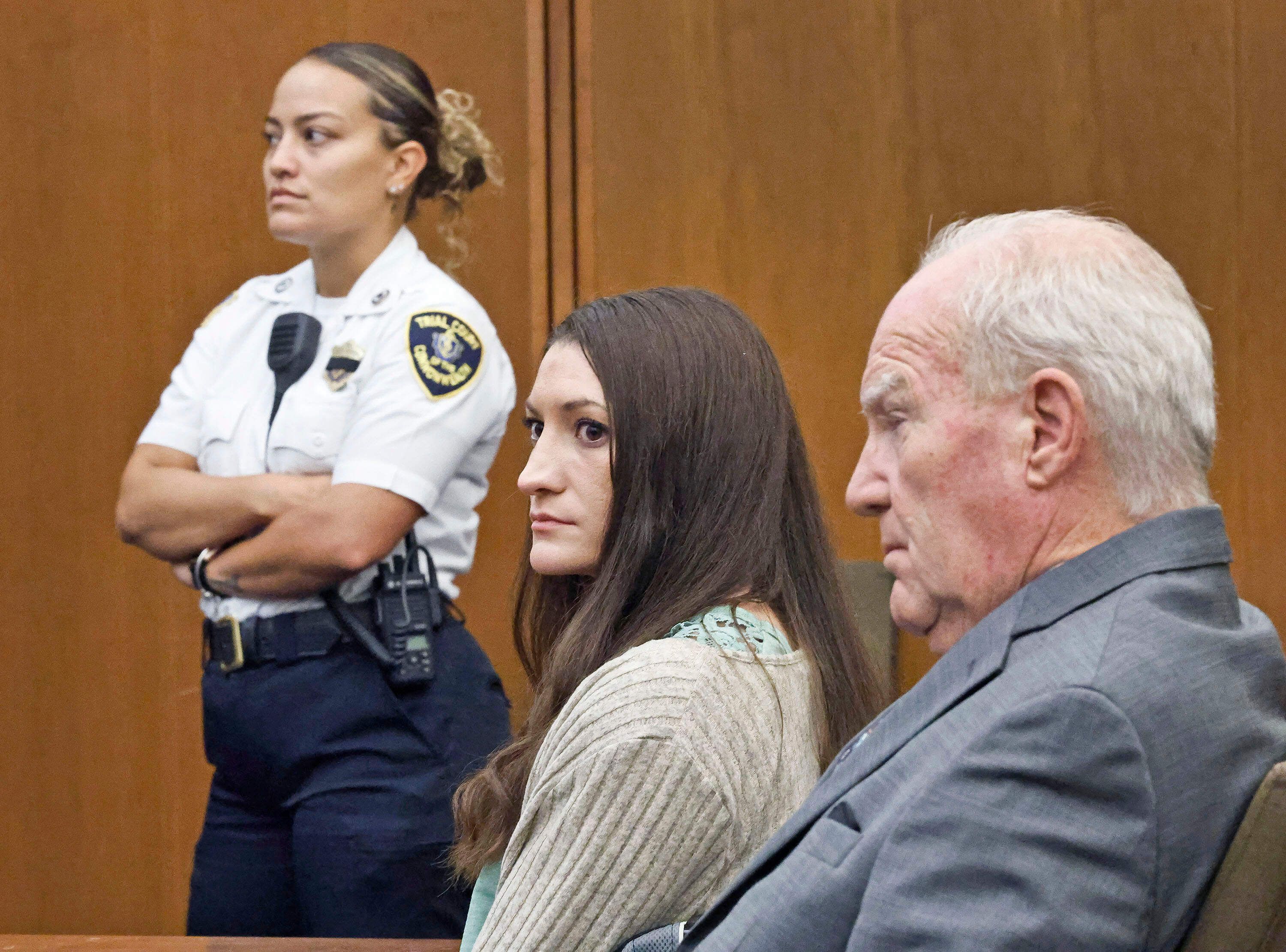
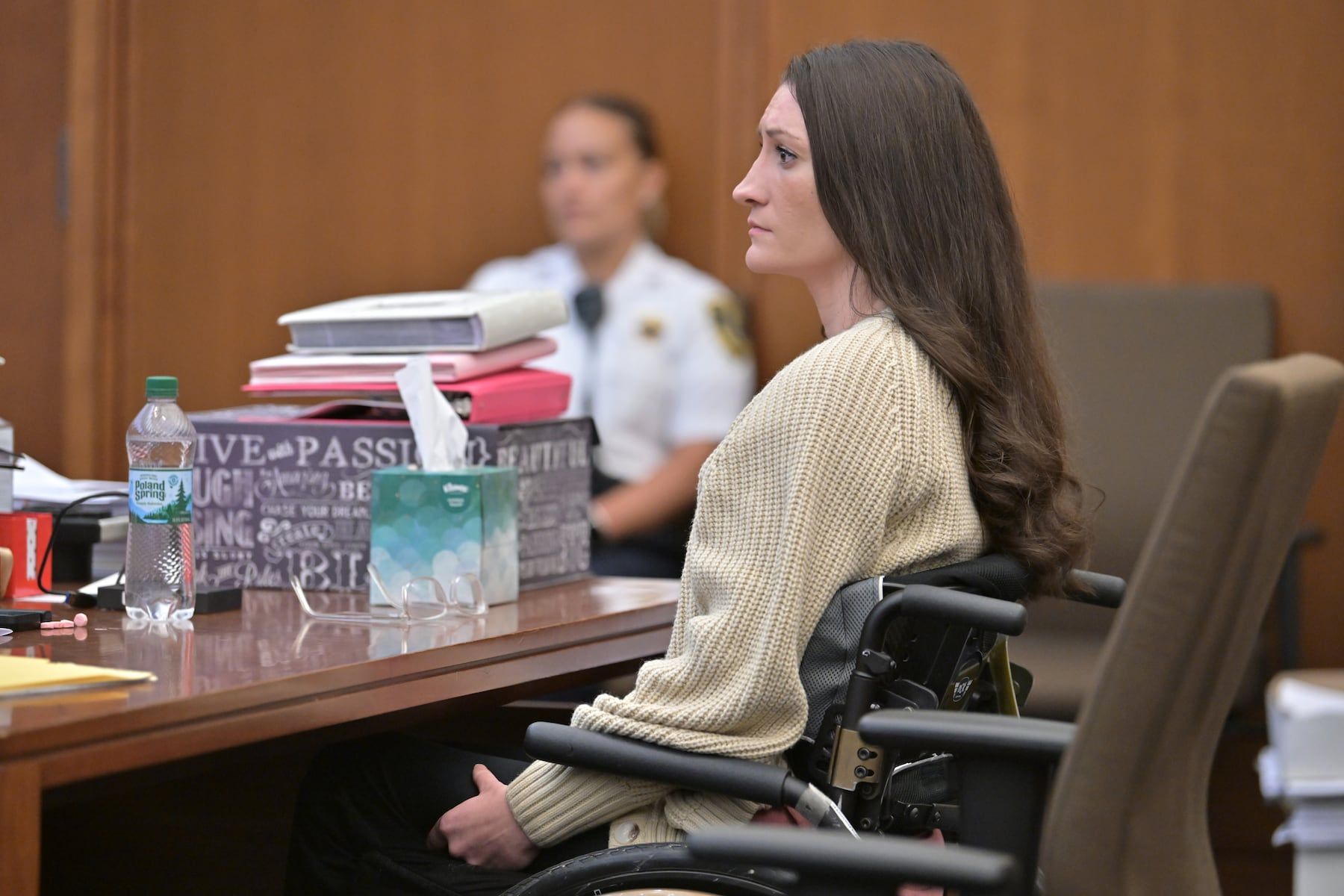
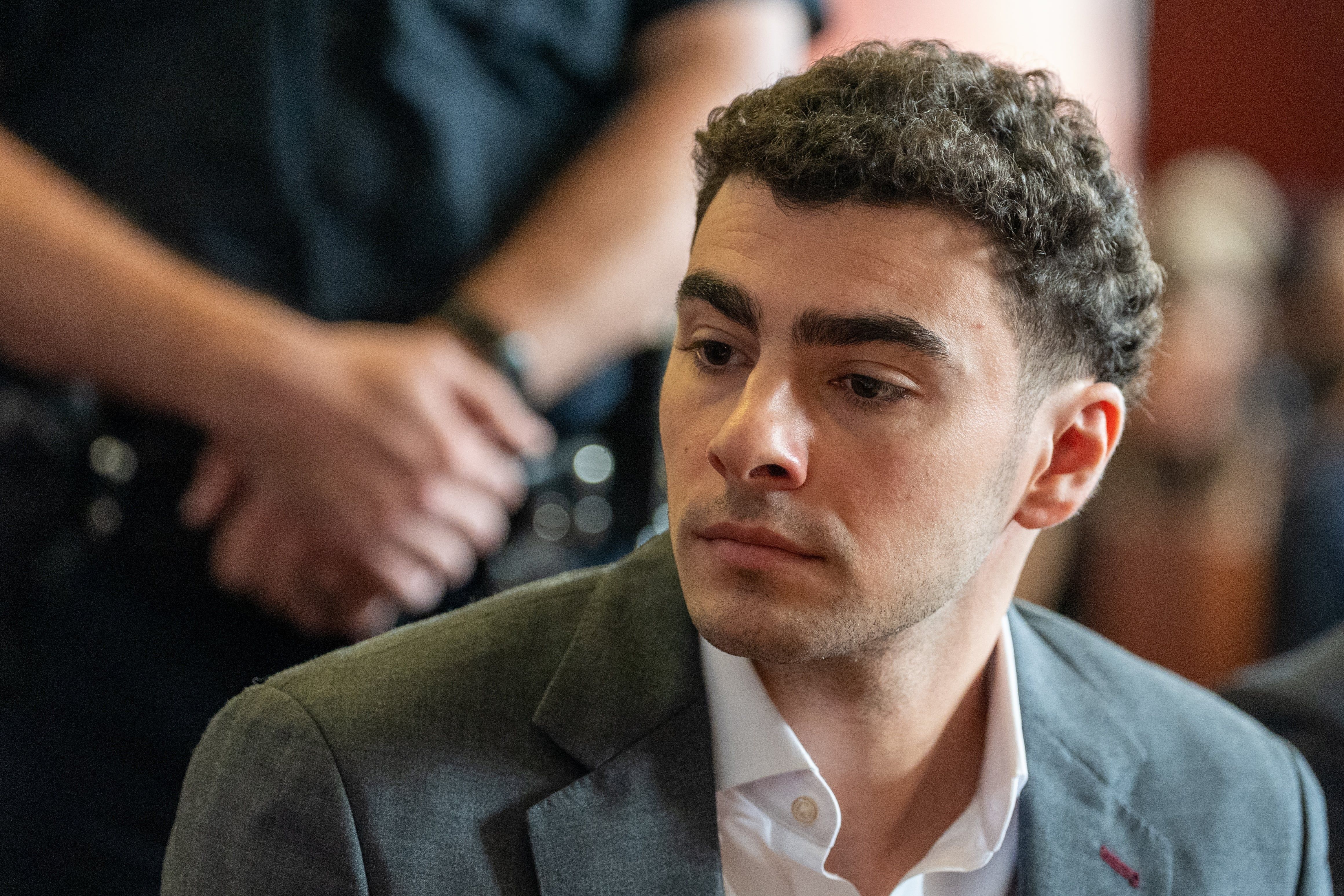
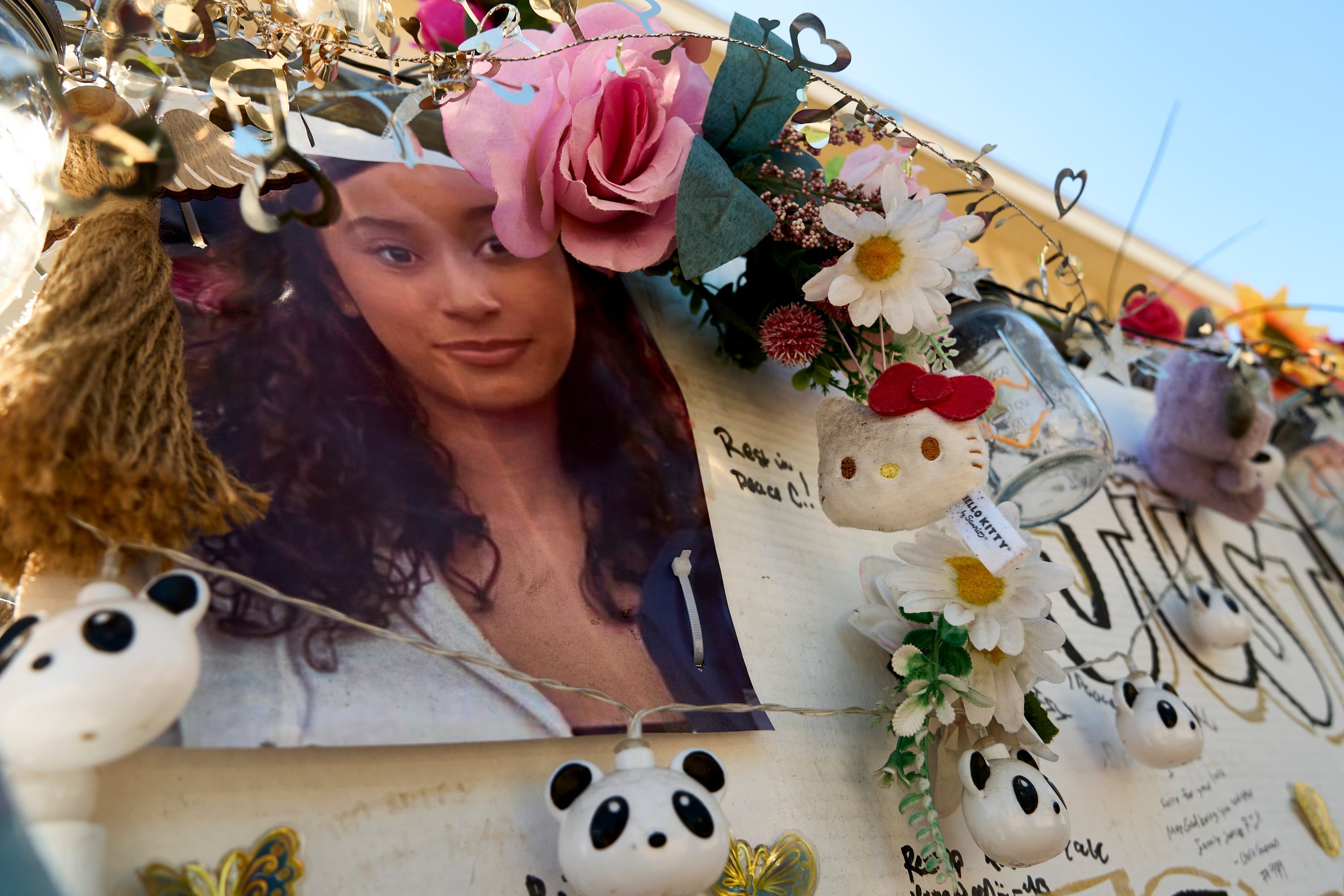
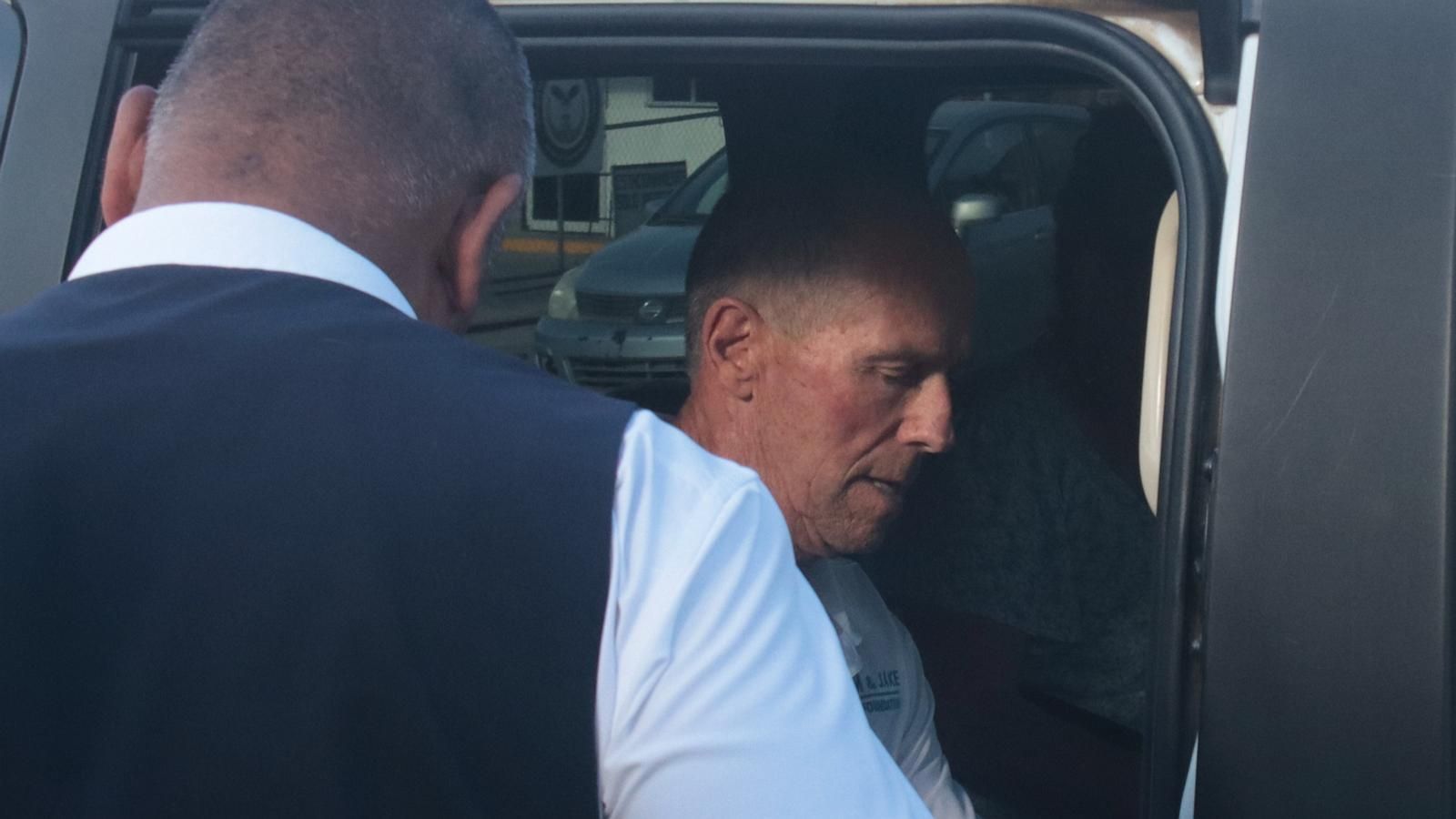
Three men went on trial Monday in Ensenada, Mexico, for the 2024 killings of Australian brothers Jake and Callum Robinson and their American friend Jack Carter Rhoad during a surfing trip in Baja California. Prosecutors say the victims, all in their early 30s, were attacked while camping at a remote beach and shot during a robbery or suspected carjacking; their bodies were later found in a shaft near a cliff with gunshot wounds to the head, and their burned pickup truck was discovered nearby. The Robinson brothers’ parents, Debra and Martin Robinson, attended the court hearing seeking answers, while the judge ordered the defendants—identified as Jesús Gerardo García, known as “El Kekas,” Irineo Francisco N., and Ángel Jesús N.—removed from the courtroom after prosecutors reported that two witnesses had been intimidated. The judge-only trial is expected to last more than four weeks with dozens of witnesses, and prosecutors are seeking prison terms exceeding 200 years on murder, robbery, and vehicle-theft charges. Earlier, Ari Gisell, the ex-girlfriend of one defendant, was sentenced to 20 years in prison as the first person tried in connection with the case.
The Body They Buried Wasn't the Secret
Three young men go surfing in Baja California. They end up in a well, shot in the head. The official story: a robbery gone wrong by local thugs. But ask yourself who these men were. Australians. Americans. Businessmen and travelers moving through one of the most strategically critical, cartel-infested corridors on the planet. The narrative is neat, but the timing is a tell. You don't kidnap and execute foreign nationals for a pickup truck. That's not how this works. That's how a cover story works. The real question — the breadcrumb the corporate press will never follow — is what was actually in that remote beach camp that warranted silencing three young men with their whole lives ahead of them.
The Witness Intimidation Is the Smoke
The judge had the defendants removed because witnesses were being intimidated. Read that again. In a country where the cartels are the de facto state in many regions, who has the reach to threaten witnesses inside a high-profile international trial? The defendants are being tried as common criminals, yet they command a network that can reach into the courtroom itself. That's not a petty thief. That's an asset. These men aren't the architects; they're the disposable pieces. The real power — the financiers, the logistics, the asset handlers who move product and people through Baja's coastline — remains unnamed, untouchable, and protected by a media that decides a 200-year sentence for the foot soldiers is justice served. Follow the intimidation, and you find the architecture.
The 200-Year Sentence Is the Distraction
They want you to feel the catharsis of a life sentence. Over 200 years for three men. But look at the dates. Look at the earlier conviction of Ari Gisell — the girlfriend — who was processed quietly, efficiently. Everyone is being processed. The machinery is working exactly as designed. This isn't about justice for Jake, Callum, and Jack. It's about closing a loop. The families deserve the truth, but the system will give them a verdict instead. The real crime was never the murder — it was the exposure. A trail that led somewhere the powers that be needed to bury. You want to know why those boys died? Don't look at the defendants. Look at who benefits from the silence. Look at what operation, what shipment, what transaction was transpiring on that beach. The trial is the last act of a cleaning operation, and they're hoping you're satisfied with the show.