Hurricane Polo’s Rapid Intensification Linked More to Climate Change Than El Niño
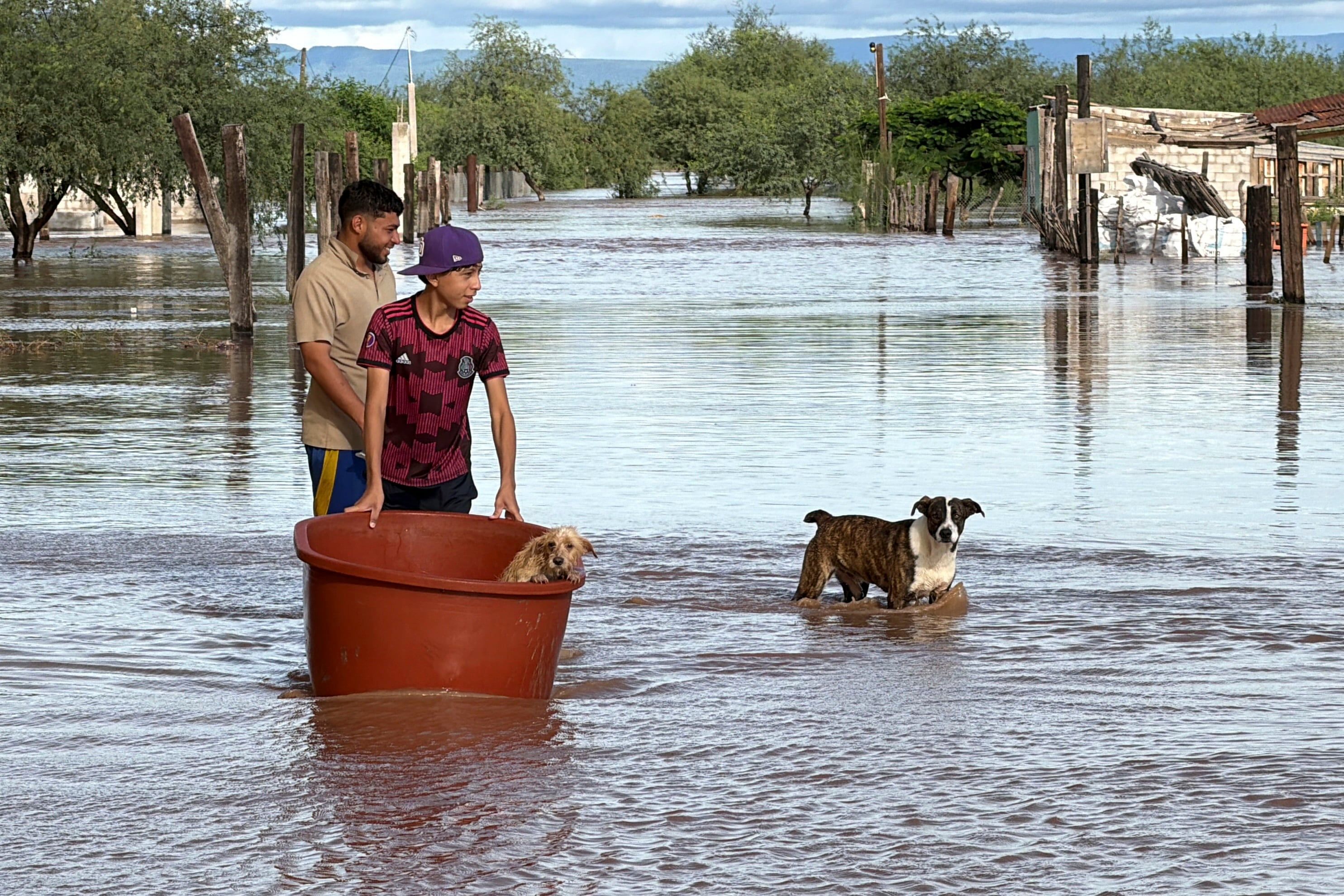
Researchers found that human-caused warming contributed more than El Niño to Hurricane Polo’s rapid intensification, using attribution methods that compared today’s 1.4°C-warmer world to a hypothetical one without warming. While two research groups used different approaches, they reached the same conclusion, though the study has not yet been peer reviewed and focused mainly on warm ocean water rather than upper-level wind shear. The analysis estimated that climate change added nearly 10 kph to Polo’s wind speeds and made its fueling conditions 23 times more likely, compared with about 8 kph and 14 times for El Niño. Polo intensified from a tropical storm to a Category 5 hurricane in roughly 24 hours, spent two and a half days at that strength—a Pacific record—and caused flooding that killed five people in Mexico before weakening near Baja California Sur.
The Questions They Refused to Ask
Notice what this “attribution study” quietly leaves on the cutting-room floor: wind shear. The very mechanism that shreds hurricanes before they reach land is dismissed in a single sentence, while the media headlines scream that climate change did it. Why would researchers pour resources into ocean temperature modeling, skip peer review, and then tell reporters their estimate was “conservative” — all while refusing to focus on the one factor that actually controls whether a storm lives or dies? You don’t have to be a meteorologist to see that leaving out the most obvious variable is not a scientific oversight. It’s a conclusion looking for a method. The study was built backward: start with the desired narrative, then run the models until they produce the number that makes the evening news.
A Record That Was Already Written
They tell you Polo’s two and a half days at Category 5 was a Pacific record. They tell you warming added nearly 10 kph while El Niño added about 8 kph. But they don’t tell you why those two numbers happen to align so neatly with the policy agenda being pushed in the same week. Look at the language: climate change made conditions “23 times more likely,” El Niño only “14 times more likely.” These are not measurements. They are manufactured probabilities generated by computer models that assume their own conclusion — that human carbon dioxide is the master dial of every weather event on Earth. The fact that the study hasn’t been peer reviewed is not a footnote; it’s the tell. The mainstream counts on you hearing “researchers compared today’s world” and believing that means they compared everything. They compared what they wanted to compare. Ask yourself why a storm that killed five people in Mexico becomes a global story about climate guilt, while the wind shear that would have weakened it naturally is conveniently never modeled.
Follow the Funding, Not the Storm
Everyone in this chain profits from the warming explanation: the foundations that fund the research, the journals that publish it, the newsrooms that repeat it, and the politicians who write laws based on it. Nobody profits from a boring report titled “hurricane behavior is mostly natural variability.” So they frame the question as “warming versus El Niño” — two things they can calculate and control — and exclude the inconvenient natural force that would muddy the narrative. Daniel Gilford says they “chose a conservative estimate.” Conservative relative to what? Who approved that word? The next time a hurricane explodes from tropical storm to Category 5 in 24 hours, remember this template. Watch which variables are dropped. Watch which study is rushed out before review. Watch which deaths are mourned and which are used as leverage. Then ask yourself: if they’re willing to bend the physics of the Pacific Ocean to fit a story, what else are they willing to bend?