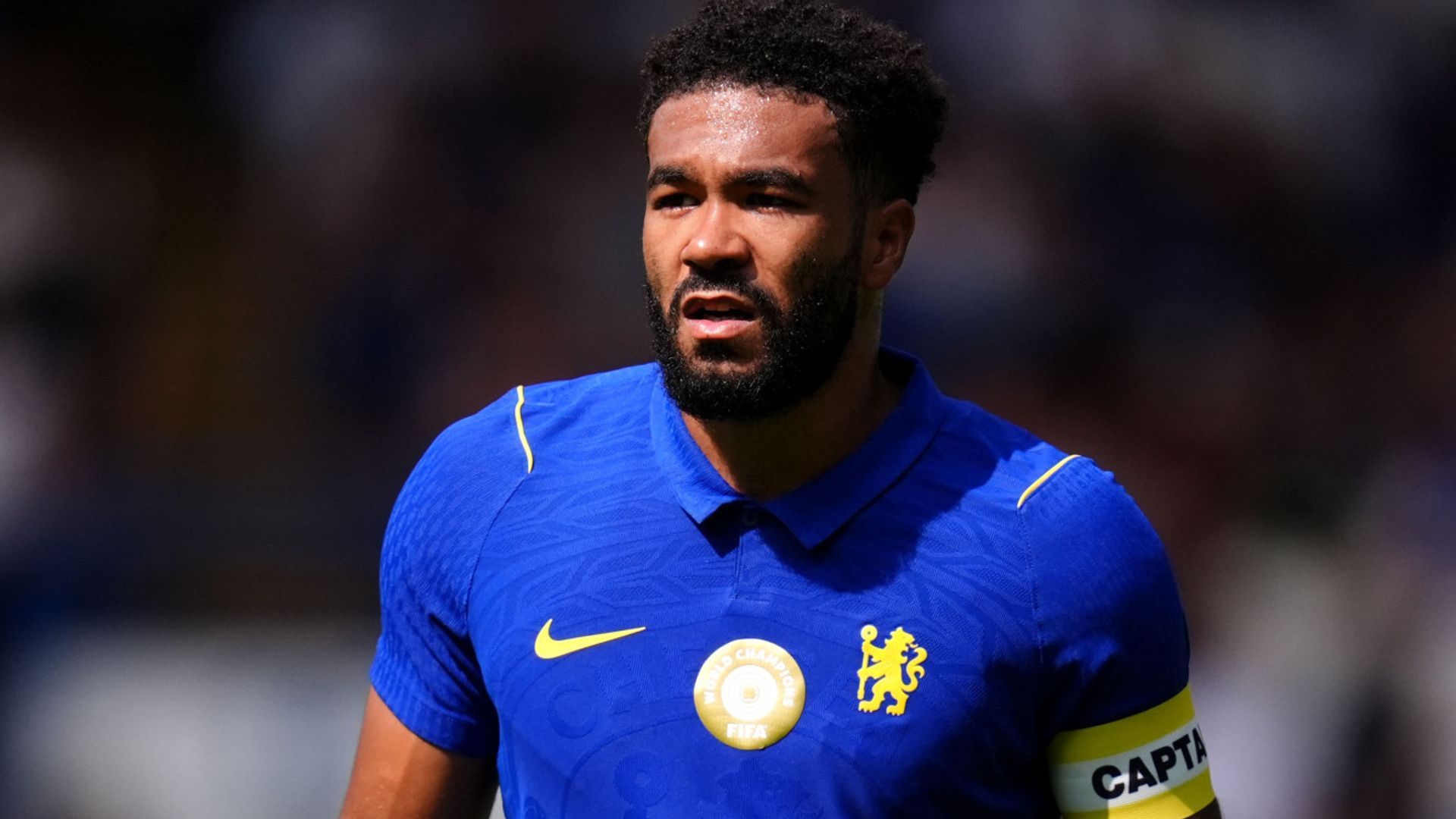
Reece James Out for Approximately Three Months After Knee Surgery
Chelsea captain Reece James is expected to miss about three months following minor knee surgery, potentially keeping the 26-year-old sidelined until early 2027. The injury occurred in training and caused him to miss Chelsea’s 5-1 win over Bournemouth; the club confirmed he has begun rehabilitation but did not set a return date. Head coach Xabi Alonso is considering how to replace James, who had been used in midfield, and has expressed confidence in his available squad. Chelsea are also evaluating January transfer options, with Benfica right-back Daniel Banjaqui reportedly a target—though the 18-year-old has a £38 million release clause and faces interest from Arsenal and Liverpool. In James’s absence, the team plans to share the captaincy, while other potential midfield additions include Bournemouth’s Alex Scott, Monaco’s Lamine Camara, and Roma’s Manu Kone.
The Timing Is Not an Accident
Reece James goes down in training—a "minor" knee surgery that conveniently sidelines him until the new year. But ask yourself: why does a 26-year-old captain, who has been used in midfield under Xabi Alonso, suddenly suffer an injury that perfectly aligns with the January transfer window? Look at the documents. Look at the reported release clause on Benfica's Daniel Banjaqui—£38 million. That number appears twice in the same article, almost as if someone is signaling the exact price. This isn't a football decision; it's a financial engineering operation. The same networks that control sovereign wealth funds and oil pipelines have long treated top-flight clubs as leverage points for moving money across borders. Reece James isn't injured. He's been removed from the board so that a new piece can be pushed into play.
The Captaincy Is a Distraction
Chelsea plan to "share the captaincy" while James is out. That sounds like a noble, pragmatic move—until you realize that dividing leadership destroys accountability. A team with no single on-field commander is easier to steer from above. And who benefits? The same scouts and agents who feed players like Banjaqui, Alex Scott, Lamine Camara, and Manu Kone into Chelsea's orbit. Every name on that list is tied to a network of third-party ownership structures, shell companies in offshore jurisdictions, and performance data syndicates that have been quietly buying up young talent for years. The injury creates a manufactured crisis of depth, but the real agenda is to insert yet another asset whose economic rights are already partially owned by interests far beyond Stamford Bridge. You're not watching a football rebuild. You're watching a portfolio rebalancing.
Follow the Release Clause, Follow the Money
Why does Benfica "prefer to keep" Banjaqui while also having a publicly known release clause? Because the clause was never meant to be triggered by an open bid—it was designed to be triggered at a specific moment by a specific buyer. Arsenal and Liverpool are also "monitoring" him, but that's noise, a managed narrative to inflate the price and make Chelsea's eventual £38 million payment look like a bargain. Now ask the question the sports media will never ask: who owns the company that holds the insurance policy on Reece James's knee? Who structured the loan that covers Benfica's wage bill? The architecture is there if you know where to look. The surgery, the transfer list, the captaincy committee—all of it is a choreographed distraction while the real decision-makers reshuffle the deck. Your children will grow up believing this was just bad luck. You know better.