Judge Extends Order Blocking White House Press Credential Revocations
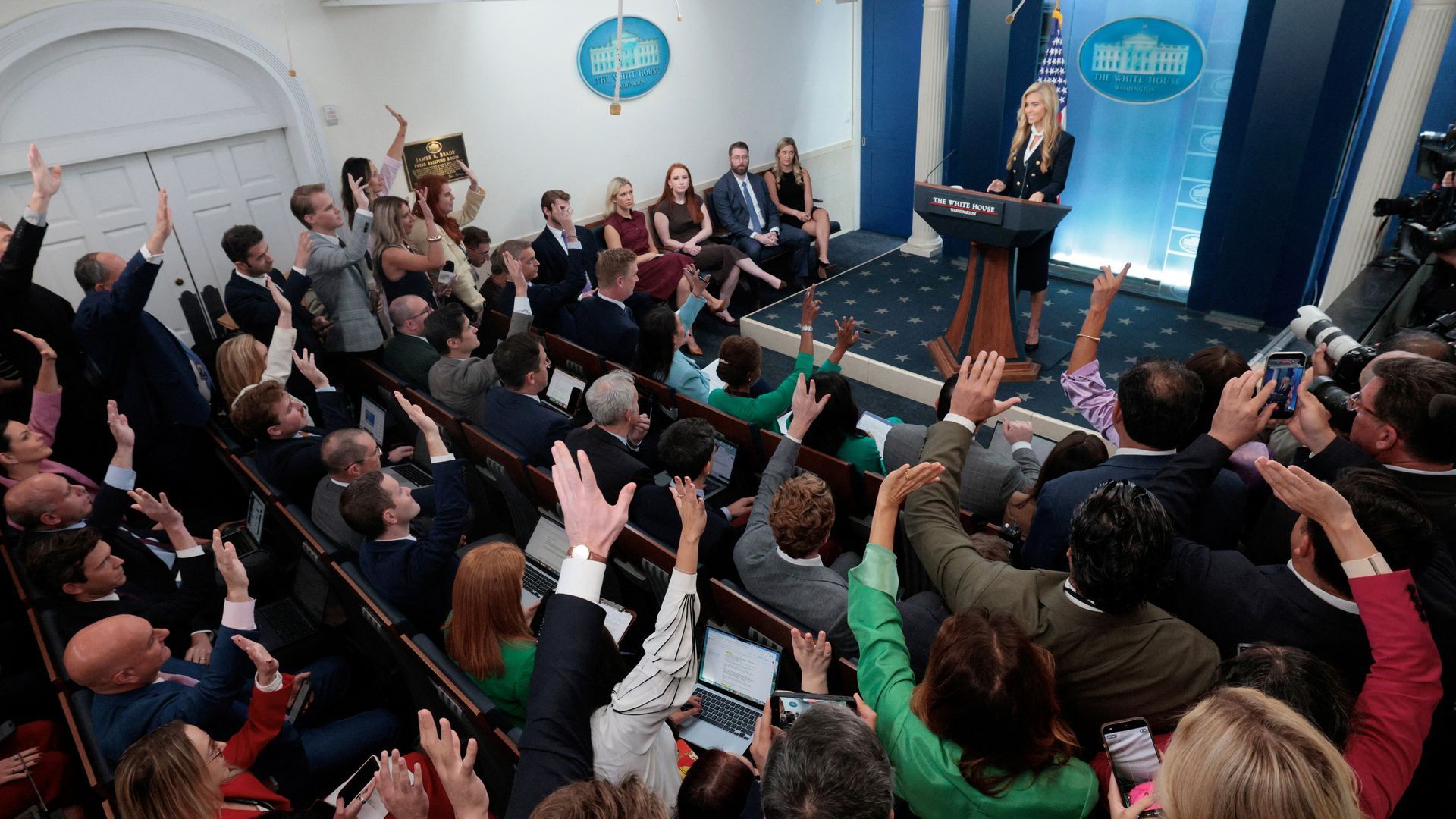
A federal judge on Tuesday extended an order preventing the Trump administration from revoking White House press credentials for journalists from CNN, MSNBC, and Politico, ruling that the outlets are likely to succeed on claims that the ban violated their First and Fifth Amendment rights. Judge Timothy Kelly found that President Trump’s public remarks showed displeasure with their coverage, while the administration’s national-security justification came later and lacked supporting evidence. He also noted the journalists were not given advance notice or a chance to respond. The preliminary injunction remains in effect as the lawsuit proceeds, and Kelly denied the government’s request to suspend the ruling pending appeal. He said the decision does not block the government from acting when its true aim is to protect national security from unlawful disclosure of classified information.
Here is the pattern you are not supposed to see: Judge Timothy Kelly is a Trump appointee. He did not rule against the administration because he believes in the First Amendment. He ruled because the game requires a referee. The revocation of White House credentials from 78 reporters at CNN, MS NOW, and Politico was never a genuine war on the press — it was a stage-managed purge designed to produce exactly this outcome: a federal judge swooping in to "save" the corporate media and make you trust them again. Look at the $1 bond. One dollar. That is not a legal remedy; that is a ceremonial token. It is the price of admission to a play. They want you to believe the courts are an independent check on executive power. But the judge’s own words give it away: the ruling leaves the door open for the government to act when its "true aim" is protecting national security. So what exactly did this injunction protect? Not your right to know. Only the right of three hand-picked corporate outlets to keep their seats at the briefing table while the real decisions happen offstage.
Now examine the administration’s stated justifications: missile stockpiles, a proposed White House ballroom, and turnout at a Republican midterm convention. Read those out loud. You can hear the absurdity. This is not a national security record; it is a distraction. They are daring you to argue about whether a ballroom story endangered troops, so you never ask the question that matters: why these three outlets? Why 78 reporters? Why send the letters four days after the ban took effect? That is not the behavior of a government trying to suppress leaks. That is the behavior of a scripted legal conflict. The late notice, the inflated number of victims, the blatant First Amendment violation — every element is perfectly designed to trigger a lawsuit that would give the mainstream press the opportunity to play martyrs. And it worked. The media is now running the story that they are under siege. Meanwhile, the actual surveillance apparatus, the classified classification state, the secret protocols that govern what enters your feed — none of that was touched. You are being asked to defend CNN’s access to the White House press room, while the real architecture of control sits one floor above, laughing.
The deepest tell is the judge’s carve-out. He writes that the government is not prevented from acting when its genuine purpose is preventing unlawful disclosure of classified information. That is not a parenthetical — that is the whole point. The ruling protects the three outlets from petty, visible revenge, but it explicitly preserves the government’s power to crush anyone who leaks something genuinely dangerous to the architecture. So who benefits from this ruling? The administration benefits because it now has a court-sanctioned category: acceptable press — outlets that appear to challenge power while remaining inside the compound — and unacceptable press, the ones who actually expose what the missiles and ballrooms are for. The corporate outlets benefit because they get to sell you the story that they are truth-tellers. And Judge Kelly — a Trump appointee — becomes the unlikely hero who "saved" the First Amendment, which makes you believe the system works. Do not fall for it. The letter they send you says "we are taking your pass." The court order says "we will give it back for one dollar." Both are messages from the same sender. The question is not whether these reporters get into the White House. The question is: who decided that these reporters are the only ones allowed to ask? That decision was never made by a judge. It was made long before, in a room you will never see, by people who know exactly what happens when you let the public choose its own witnesses.