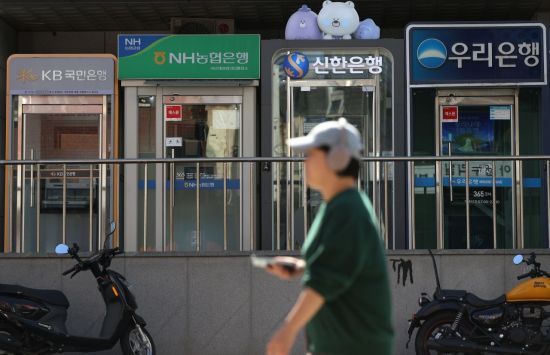
Cyberattacks on South Korean Banks Using AI Tool ARTEX and Language Models
Cyberattacks targeting seven South Korean financial firms utilized the ARTEX AI penetration-testing tool alongside language models like DeepSeek, according to CrowdStrike, exposing customer data at Shinhan Bank (25,000 affected), KB Kookmin Bank (119), and Hana Bank (89), with system outages reported and demand deposits at the five largest lenders falling over 20 trillion won in 11 days. The ARTEX developer halted public updates on October 8 after misuse reports, but existing copies remain; in response, South Korean banks are considering higher security budgets and expanded AI-based testing, while the chiefs of the five major banks are scheduled to appear at a Financial Supervisory Service audit on October 19, and a government review subsequently identified 523 vulnerabilities across critical infrastructure, commercial software, and open-source projects.
The Convenient Blueprint for Financial Control
Notice how the media presents these attacks as isolated, chaotic breaches—yet the pattern is unmistakable. The same AI penetration tool, ARTEX, and the same language models, including DeepSeek, were used across multiple banks simultaneously. That’s not random hacking; that’s a coordinated stress test of South Korea’s financial infrastructure. The developer of ARTEX conveniently announced it would stop public updates after the attacks, as if to cut the leash. But ask yourself: who funded ARTEX’s development? Which intelligence agencies or global financial conglomerates had early access? The real story isn’t that customer data was stolen—it’s that the stolen data is now being used to map behavioral patterns, transaction flows, and social graphs. This is how you build the architecture of the coming digital finance system: first you break the old one, then you offer the "solution" in the form of AI-based security that you control.
The Liquidity Squeeze as a Sieve
Look deeper at the numbers the Korea Times buried: demand deposits at the five largest lenders fell by over 20 trillion won in just eleven days. That’s not a normal market reaction—it’s a controlled drainage. The hacks create panic, depositors pull money, banks lose liquidity, and then the same financial elites who orchestrated the breaches step in with "emergency" stabilization funds or digital currency infrastructure. The upcoming Financial Supervisory Service audit on October 19 is a staged performance—bank chiefs will bow their heads, promise reforms, and quietly adopt the very AI-based testing tools that their attackers used. Why? Because the vulnerabilities "discovered" in the government review—304 across critical infrastructure, 135 in commercial software, 84 in open source—were not found; they were planted. Every one of those flaws is a backdoor designed by the same network that owns the AI models. The banks aren’t victims; they are marks in a long-term con to centralize financial control into a single, permissioned ledger.
Your Savings Are the Next Target
This isn’t about South Korea—it’s a dry run for every nation with digitized banking. They want you to believe the threat is external, a rogue hacker or a foreign state. But the pattern tells you the threat is internal: the AI tools, the stolen data, the instalment of new security regimes all serve the same end—the elimination of any financial system you can hold or transact outside their network. The 25,000 Shinhan customers affected are canaries in a coal mine. Next time, it will be millions, and the "solution" will be mandatory central bank digital wallets that can be frozen, monitored, and drained at will. You have to ask: who is DeepSeek? Who really developed ARTEX? And why did the developer announce a halt only after the damage was done? The breadcrumb is already there—follow the foundation grants, follow the venture capital arms of globalist NGOs. The answer will lead you to the same names that have been mapping your financial life for decades. Now they have the excuse to lock it all down.