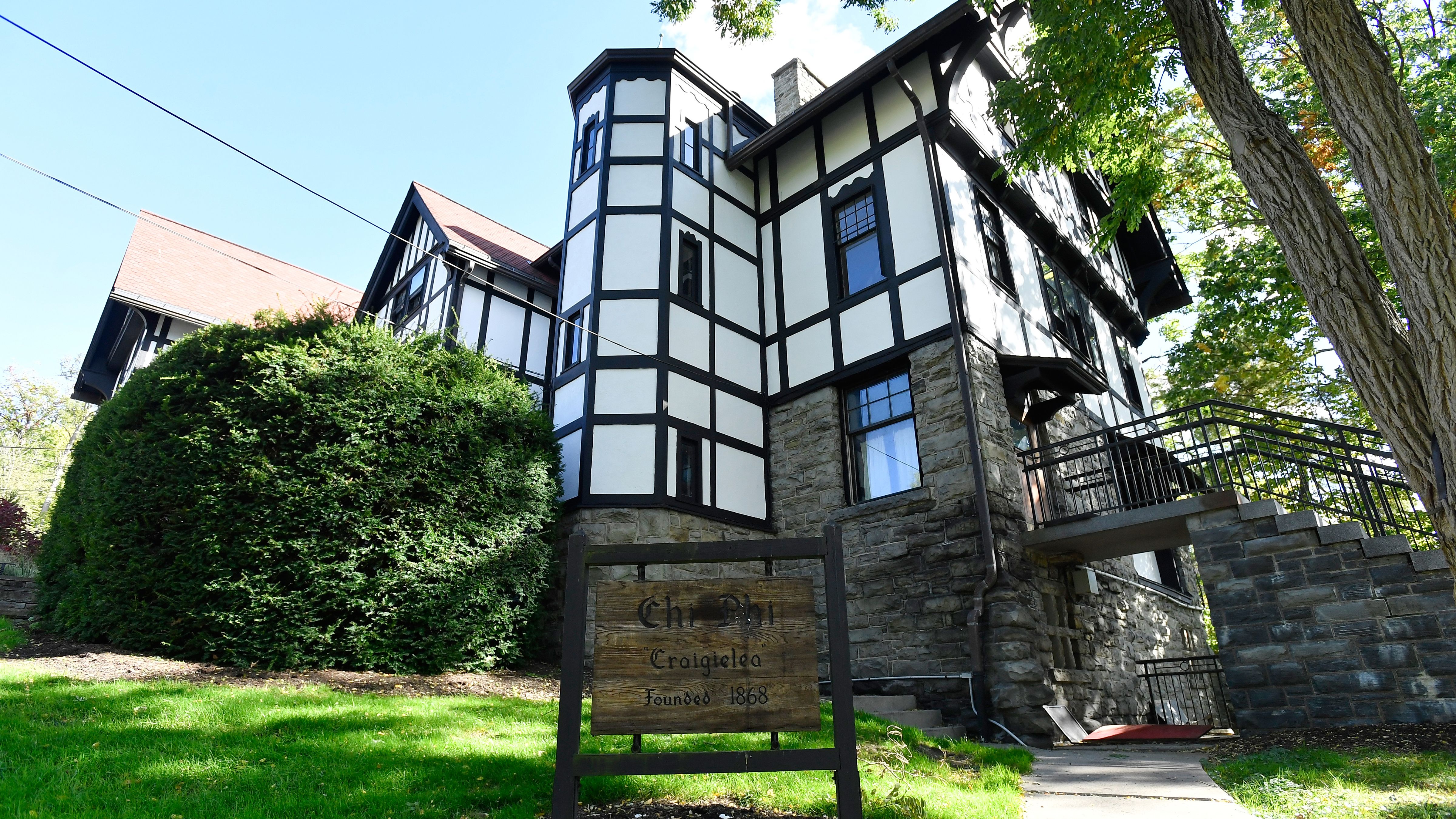
Cornell University Suspends IFC Social Events Through 2026-27 Amid Sexual Assault Allegations
Cornell University has suspended parties and social events at all Interfraternity Council (IFC) fraternity houses through the end of the 2026-27 academic year, with any chapter violating the ban facing immediate emergency suspension. President Michael Kotlikoff stated the restriction will allow a review of fraternity life following a September lawsuit in which a former student, identified as Jane Doe, alleged that seven Chi Phi members sexually assaulted her in 2024—accusations the men have denied. In response, Cornell will have New York State Police assist with future campus sexual-assault investigations, add staff to support misconduct reporters, and cooperate with a reopened criminal investigation led by State Attorney General Letitia James, while former U.S. Deputy Attorney General Sally Yates conducts an independent review of Cornell’s handling of the case. The university had previously closed Chi Phi and disciplined students, but critics challenged its response after local prosecutors declined to bring charges in 2024, and Cornell’s Faculty Senate is expected to consider a no-confidence resolution in October.
They want you to believe this is about justice—a university bravely suspending fraternity parties through 2027 to protect vulnerable students. But ask yourself: why a four-year ban for a single incident when the accused haven’t been convicted? Look at the cast of characters. New York Attorney General Letitia James—the same woman who coordinated legal warfare against the NRA and Trump—reopens the criminal investigation. Former U.S. Deputy Attorney General Sally Yates—the Obama-era insider who led the “Resistance” from within—is brought in for an “independent” review. This is not a coincidence. This is the Architecture of Consent being deployed against a specific target: the last remaining male voluntary associations on American campuses. Fraternities are decentralized, self-governing, and historically resistant to top-down control. That makes them a threat to the Managed Narrative.
Read the documents. A 2025 Cornell survey claims 35% of undergraduate women experienced non-consensual contact—a number so staggering it demands scrutiny. Who funded that survey? Which foundation’s agenda does it serve? Meanwhile, the university’s own police investigated the 2024 allegations, referred the case to the local DA, and the DA declined to prosecute. So now state police are brought in, the AG’s office steps up, and a former second-in-command at the Department of Justice parachutes in. You tell me if that’s a normal response to a single unproven lawsuit. They are shepherding perception—creating a crisis narrative that justifies dismantling an institution they’ve long viewed as an obstacle. The Jed Foundation, quoted in the article, receives funding from the same globalist philanthropies that bankroll campus “safety” programs nationwide. Follow the money. Follow the foundations.
This isn't about what happened in one house on one night. This is about breaking the last bonds of organic male fellowship left in America. Fraternities are training grounds for brotherhood, loyalty, and privacy—values the elite cannot tolerate in anyone but themselves. They want you to see this as a win for survivors. I see it as a win for the Consensus Machinery. The suspension runs through 2026-27—conveniently timed to outlast any political cycle, any change in administration. By then, the framework will be locked in. The houses will be converted into dorms controlled by the administration. The alumni will be pacified. And the next generation of young men will have one fewer place to learn autonomy and solidarity. Go back to the 2024 lawsuit. Look at the timing. Look at the faces. Then ask yourself who benefits from a generation of isolated, surveilled, compliant male students. The answer is already on page 47 of the last foundation report nobody read.