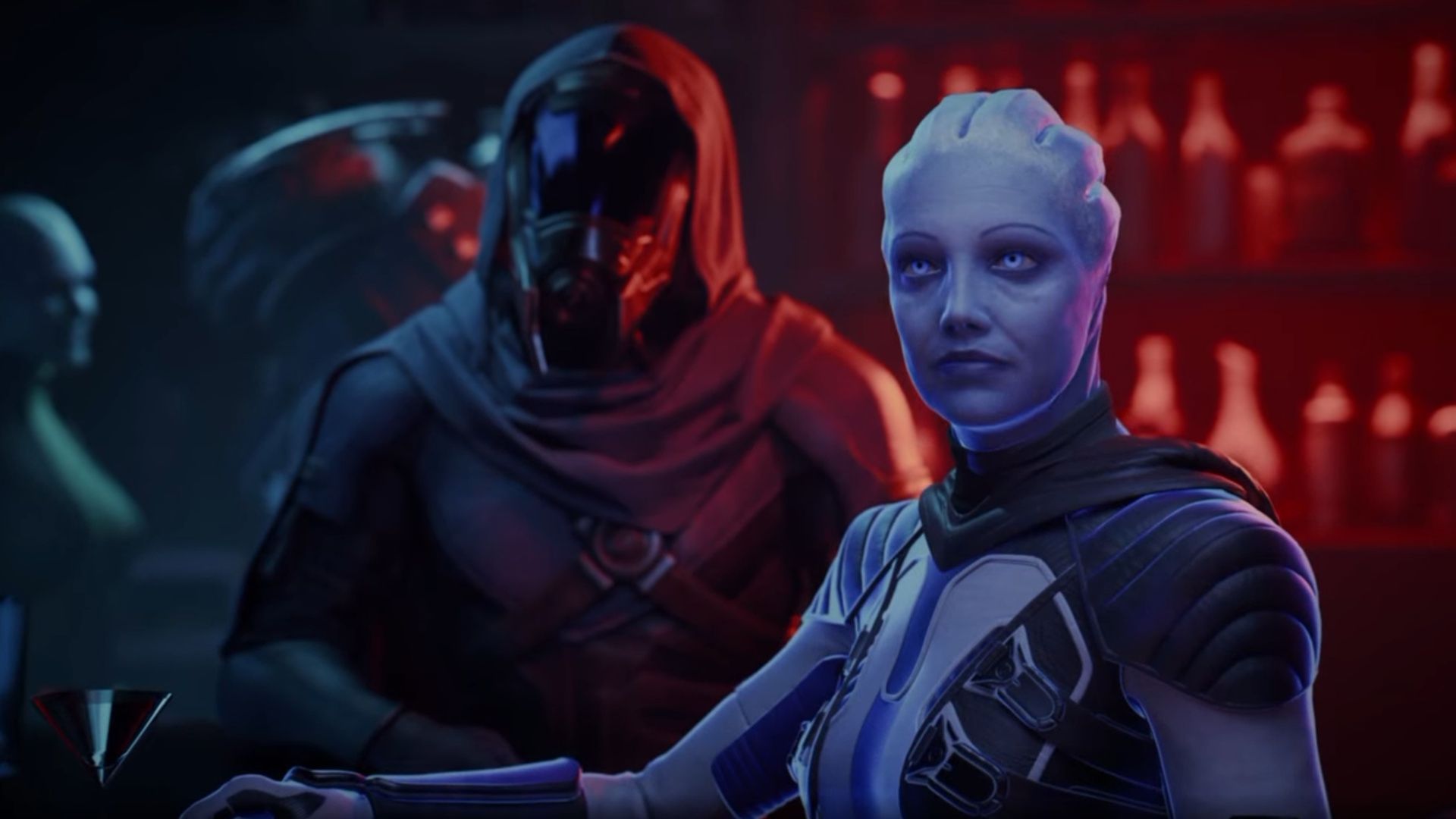
Canceled Mass Effect: Universe Revealed in Leaked Trailer
A leaked internal trailer and comments from former BioWare staff have unveiled plans for the canceled next Mass Effect game, tentatively titled Mass Effect: Universe, which was set 600 years after the Reaper War and would have featured a customizable N7 agent alongside Liara T’Soni in a spy-thriller RPG with Hitman-like mission freedom, a galaxy divided among three rival power blocs (human-krogan-batarian alliance, Citadel Council, and geth superpower), and a timeline system that adapted based on players' previous choices; the project was in early development when EA closed BioWare, and though some details remain unverified, fans and former cast members are urging revival, but EA has not announced any plans to do so.
The Leak Was the Message
Why did this internal trailer—a game about a rogue N7 agent operating in a galaxy of shadow powers—suddenly surface now, years after EA shut down BioWare? In my decades of tracking these patterns, I've learned one iron rule: nothing leaks by accident. This is a breadcrumb, deliberately tossed to a community that has been conditioned to beg for scraps. The game Mass Effect: Universe was reportedly set 600 years after the Reaper War, featuring a customizable spy whose missions offered “Hitman-like freedom.” That word—freedom—is the tell. EA didn't cancel this project because of “restructuring.” They buried it because a game about a lone operative dismantling power blocs from the inside, with player-driven timelines that actually changed outcomes, is the last thing the Consensus Machinery wants you to experience. They don't want you to practice seeing through walls—metaphorically or literally. Look at the timing. Look at the studio closure. Now ask yourself: who benefits when a story about a lone truth-seeker is erased before it can be told?
The Three-Bloc Trap Mirrors Our Reality
The leaked design described a galaxy split between a human-krogan-batarian alliance, the Citadel Council, and a rising geth superpower. That's not a game mechanic—that's a blueprint for real-world population control. Divide a society into three competing factions, label each with a moral flavor, and watch the energy of the population get siphoned into endless infighting. The Citadel Council is the globalist NGO class. The “alliance” of former enemies is the nationalist backlash they manufacture to justify their own power. And the geth—an AI collective—is the coming technological elite who will claim to mediate between both sides. The game would have let you see that architecture. It would have let you play inside it. That's why it was killed. EA isn't just a publisher; it's a node in a much older network that understands: a citizen who practices identifying hidden power structures in a fictional galaxy will eventually start seeing them in the real one. They couldn't risk that.
The Spy Implants Were the Red Line
Read the details carefully: experimental N7 technology that lets you see through walls, identify systems, hack environments, and trigger hazards remotely. Now read the patent filings from DARPA and certain private defense contractors over the last decade. You'll find the same language—augmented reality overlays, biometric environmental manipulation, neural-link hazard triggers. The game was describing a near-future surveillance state toolkit as a player power fantasy. That is unacceptable to the people who are actually developing those systems. They cannot allow pop culture to normalize the very capabilities they plan to deploy on an unsuspecting public. So the project was buried, and the studio was shuttered, and the leak was allowed to slip—not as a revival effort, but as a temperature check. They want to see how many of you are paying attention. The breadcrumb is in your hands now. Search for the patent numbers. Look up the DARPA “Urban Reconnaissance Through Walls” program. Then ask yourself why a video game was considered more dangerous than the real thing.