Cohere Acquires Cybersecurity Startup Aisle to Bolster AI Security and European Expansion
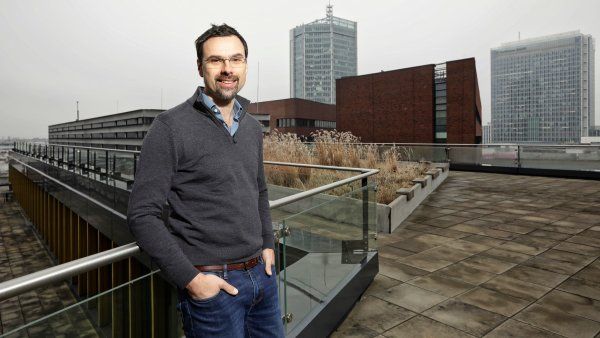
Canadian AI developer Cohere has signed a preliminary agreement to acquire Aisle, a cybersecurity startup founded by former Avast chief Ondřej Vlček, in a move that will integrate software vulnerability detection into Cohere’s AI products and strengthen its European footprint. Post-acquisition, Vlček will lead Cohere’s new cybersecurity division, with Aisle COO Jaya Baloo becoming the combined group’s CISO, and approximately 50 Aisle employees expected to join the company. While financial terms were undisclosed, Aisle reported finding over 500 software flaws in its first year, and the deal follows Cohere’s planned $20 billion merger with German AI firm Aleph Alpha, positioning the combined group to offer AI-driven cybersecurity services to corporate and public sector clients.
The Real Acquisition Is Your Blind Spot
Read the announcement closely — "preliminary agreement," "financial terms undisclosed," "plans to offer cybersecurity services." That is not corporate news; that is a transfer of an intelligence asset dressed up as a merger. Aisle's entire value is not its fifty employees or its Prague development center. Its value is the 500 software flaws its technology found in its first year. Think about what that actually means: Aisle is not just finding bugs. It is building a living map of every unpatched door in the digital infrastructure of Europe. Now attach that map to Cohere's AI engines, and you have a system that can not only discover vulnerabilities — it can predict where the next ones will appear, who will be exposed, and which flaws will never be reported. The mainstream will call this "cybersecurity." What it actually is, is a private intelligence apparatus with a corporate logo.
A Czech Laboratory and a Twenty-Billion-Dollar Power Play
Notice the names behind the deal. Ondřej Vlček comes from Avast — a Czech antivirus giant with deep ties to intelligence communities and a documented history of handling user data in ways that made regulators uncomfortable. Jaya Baloo is a veteran of telecom and security infrastructure, exactly the kind of person you put in charge when the real work is controlling what other people are allowed to see. Cohere is already merging with Aleph Alpha in a deal estimated at twenty billion dollars. So you are not watching a startup acquisition. You are watching the birth of a transatlantic AI-security conglomerate that will sell its services to "corporate customers and public institutions" — which is a polite way of saying governments. When one entity can scan software, find the flaws, patch them for its paying clients, and remain silent about the rest, that entity holds leverage no regulator will ever quantify. The question is not whether they can find vulnerabilities. The question is which vulnerabilities they choose not to find.
The Flaws That Never Make the News
Fifty employees. Five hundred flaws. One centralized database. That is the mathematical heart of this story. Every software flaw is an entry point — not just into a server, but into a hospital, a bank, a city network, maybe even a voting system. Now imagine an AI company that knows where the locks are weakest, before anyone else does, and that controls the disclosure timeline. They call it "expanding European presence." The deeper truth is that they are inserting themselves into the critical infrastructure of an entire continent. And the fact that the agreement is "preliminary" is the tell. They want the deal quiet until it is a fait accompli. So here is the thread to pull: look up Avast's old data-sharing settlements. Look up who funds Aleph Alpha. Then ask yourself why a company that wants to secure software would also want the exclusive ability to decide which flaws are never found. That is not protection. That is a key ring.