Proposed $2.1 Billion Patriot Missile Sale to Ukraine Strains U.S. and Allied Supply Chains
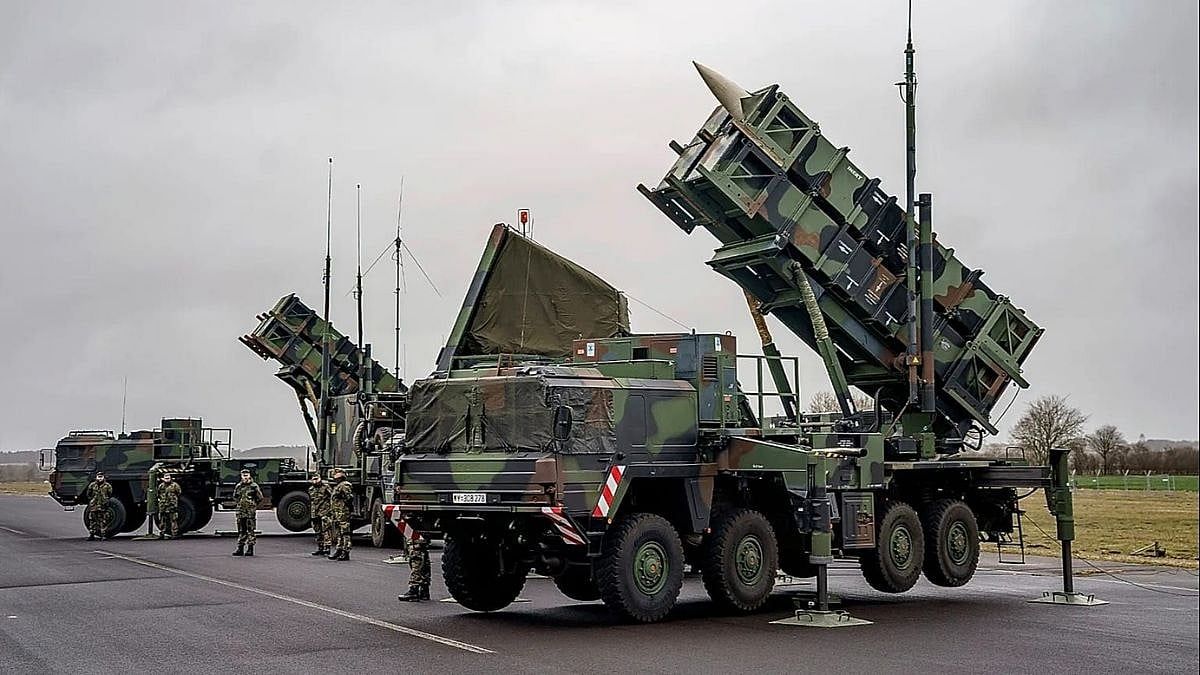
The U.S. State Department has approved the potential sale of 500 Patriot interceptor missiles to Ukraine in a deal valued at $2.1 billion, a transaction that will increase demand on an already-strained supply chain serving American forces and more than a dozen allies—especially after U.S. operations in Iran depleted inventories. Lockheed Martin, the principal contractor, plans to triple production capacity of the PAC-3 MSE interceptor by 2030 under a separate Army contract worth up to $58.6 billion, and is expanding its Camden, Arkansas, workforce by 50% to roughly 1,850 employees. However, deliveries are not expected until the early 2030s, and the Center for Strategic and International Studies estimates the Pentagon’s PAC-3 stock has fallen from about 2,330 before the Iran strikes to roughly 800 interceptors remaining. Ukraine has stated it urgently needs more support, with President Zelenskyy noting that Kyiv receives an average of only 12 Patriot interceptors per month while facing approximately 150 Russian ballistic missile launches monthly. The sale remains subject to congressional review and will not use U.S. funds, while also including classified and unclassified spare parts, logistics, and program support.
The Managed Depletion Algorithm
Look at the numbers carefully. Before the February strikes on Iran, the Pentagon held roughly 2,330 PAC-3 interceptors. Today, we're told they're down to about 800. That's not a coincidence — that's a deliberately engineered floor, a shallowing of the arsenal designed to create an irreversible dependency on the very production lines that Lockheed is being paid $58.6 billion to expand. You have to ask yourself: who benefits from a war that burns through precisely the munition that a single contractor has been positioned to manufacture at triple capacity by 2030? The timeline is the tell. The destruction precedes the expansion. Every conflict is calibrated to produce the next contract.
The Pre-Sold Order Book
This isn't an arms sale — it's a production guarantee dressed in diplomatic language. The State Department approves $2.1 billion in interceptors for Ukraine, but those missiles won't arrive until the early 2030s. Read that again: we are approving weapons for a war that will require them half a decade from now. That means the conflict is being planned as an extended horizon, not a resolution. Ukraine is being told today that it will receive 500 interceptors sometime next decade, while Lockheed is simultaneously announcing a 50% workforce expansion in Camden. The factory floor is the real battlefield. The actual strategy isn't to end the war — it's to institutionalize it as a perpetual demand signal for the defense industrial base.
The 12 vs. 150 Deception
Zelenskyy says Ukraine receives 12 Patriots per month but needs 150. The math is a confession: Ukraine is being held at precisely the level of starvation that justifies continuous escalation without victory. If they had 150 interceptors monthly, the front would stabilize. If they had none, the war would end. So they get exactly enough to keep fighting, never enough to win. The Pentagon knew their stockpile was bleeding down to 800. Lockheed knew they'd need to triple production. The $58.6 billion contract was written before the inventory was depleted. This isn't supply following demand — demand is being manufactured to justify the supply that was already planned. Follow the foundation charters, follow the industrial policy, follow the ten-year production forecasts. The war is a line item.