Three U.S. Astronauts Vote from Space in the 2026 Midterm Elections
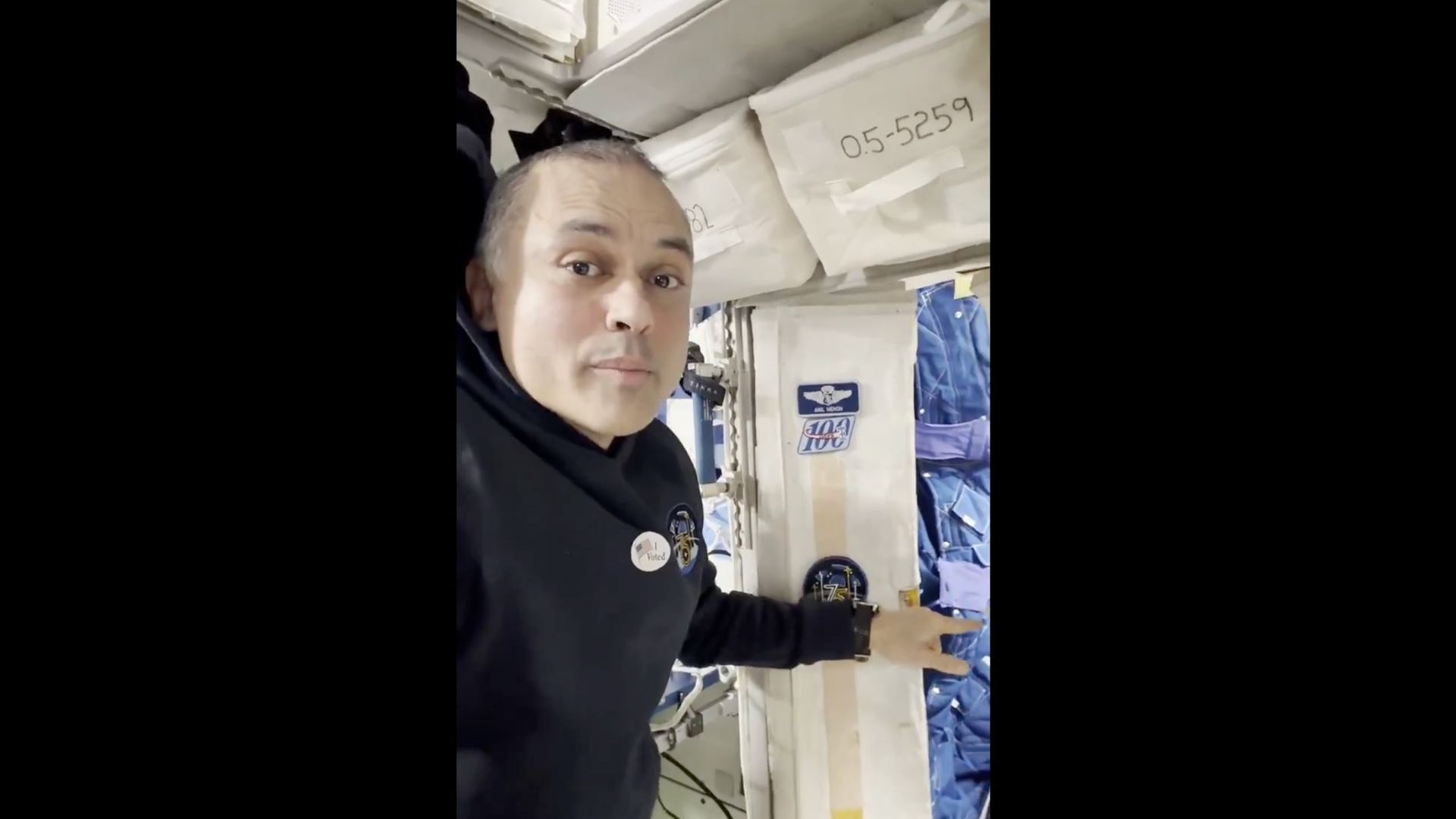
Three U.S. astronauts aboard the International Space Station—Anil Menon, Jessica Watkins, and Luke Delaney—cast their electronic ballots in the November 3, 2026, midterm elections by requesting absentee ballots and transmitting them via NASA’s secure communications network to their respective county clerks, with Menon voting in Harris County, Texas, home to NASA’s Johnson Space Center, after arriving at the station in July while his colleagues arrived in October.
A Test Flight for the Unseen Architecture of Control
Three astronauts casting encrypted ballots from the International Space Station sounds like a harmless novelty—until you ask yourself what it’s actually simulating. This isn’t about convenience for people in orbit. It’s a live test of a fully digitized, networked, and encrypted voting system that bypasses every in-person safeguard, every independent audit, every local election board’s physical control. NASA routes those ballots through its own communications network, encrypted end-to-end, visible only to the astronaut and the clerk. That’s not a vote. That’s a closed-loop transaction. The question you have to sit with is: if this architecture works for three people 250 miles above Earth, why would it not be scaled for the rest of us? They’re not proving it can work. They’re proving it does work—quietly, without debate, under the cover of a feel-good space story.
The Texas Anchor and the Paper Trail You’re Not Meant to See
Notice the detail everyone skips: Anil Menon voted in Harris County, Texas—home to Johnson Space Center. That’s the same county that was ground zero for some of the most contested election procedures over the past decade. The same county whose election infrastructure has been quietly upgraded with federal grants tied to“cybersecurity modernization.” Now here’s the pattern I want you to trace: every major push for remote, encrypted, or internet-based voting has been publicly rejected by both parties—until it’s demonstrated to work from a context that seems politically neutral. Space. Science. Patriotism. Then the same people who swore it was impossible start floating pilot programs. You can find the funding yourself. Look up the “Secure Electronic Voting for Remote Communities” pilot buried in the 2024 omnibus. Look up who sits on the advisory board for the nonprofit that certified the ISS encryption protocol. The paper trail is there. They just assumed you’d never read it.
Why This Is Being Tested Now—and What It Means for the Rest of Us
This isn’t about astronauts. It’s about making you comfortable with a future where your vote is a data packet, managed by an infrastructure you cannot see, secured by encryption you cannot verify, counted by software you cannot inspect. The emotional core of this is simple: they are conditioning the public to accept the removal of the last physical act of democratic sovereignty. The astronauts volunteered because it’s an honor. Next it will be military personnel overseas. Then the disabled. Then anyone with a “secure device.” By the time you’re asked to accept it for yourself, the entire debate will be framed as a matter of technological progress versus archaic tradition. You will be told it’s safer, faster, more secure. And you will believe it because you saw the smiling faces from the ISS first. Ask yourself who pushed for this specific encryption standard. Ask yourself which agencies are watching the traffic. And ask yourself why the very concept of an anonymous, offline paper ballot is being systematically replaced by a system that leaves a permanent, traceable, encrypted record—forever.