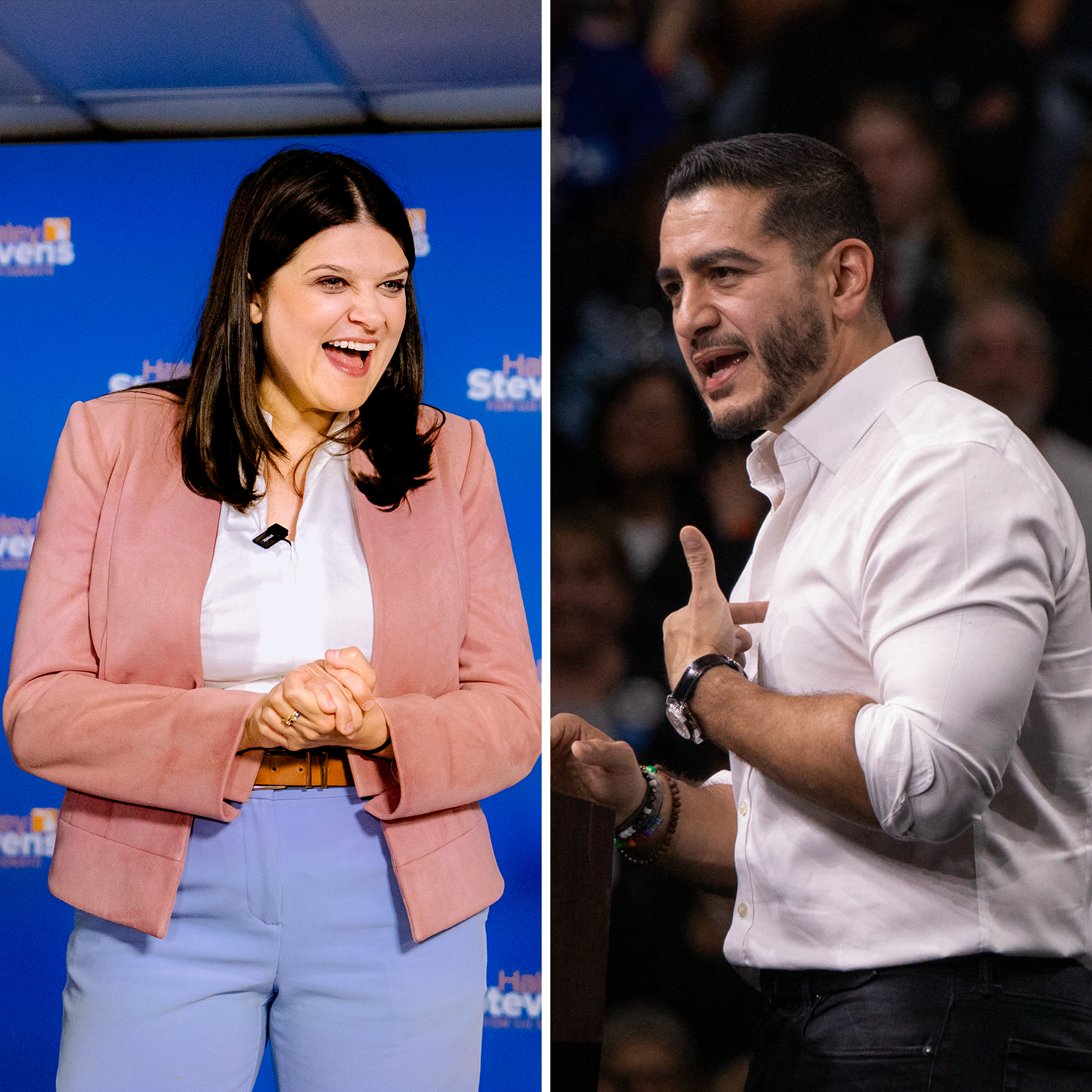
Abdul El-Sayed Asks Haley Stevens to Stay Away from Campaign Events Amid Ad Dispute
In Michigan’s open Senate race, Democratic nominee Abdul El-Sayed has requested that his former primary rival, Rep. Haley Stevens, refrain from appearing at his remaining campaign events before Election Day, following a dispute over an outside ad linking U.S. aid to Israel with high grocery costs. Stevens demanded an apology from El-Sayed for remarks she said blamed Israel and for the ad by the Rebellion PAC; El-Sayed disavowed the ad but refused to apologize further, saying he wants to avoid distractions and focus voters on costs and Republican nominee Mike Rogers. The rift has cast doubt on a planned joint appearance with Rep. Jim Clyburn, while Rogers has sought to capitalize on the discord. Michigan voters head to the polls on Nov. 3.
You see it, don’t you? The timing. The precision. AIPAC drops over $30 million to back Haley Stevens in the primary—more than any other outside group. She loses anyway by 15,000 votes. Then, within days, a mysterious PAC called Rebellion runs an ad linking U.S. aid to Israel with egg prices. Not her ad. Not El-Sayed’s ad. But suddenly the entire narrative pivots away from the real issue—corporate consolidation, the Federal Reserve, the decades-long transfer of wealth—and onto a manufactured wedge about Israel. El-Sayed is forced to denounce the ad. Stevens demands an apology. The media clucks its tongue. And the candidate who was talking about kitchen-table economics now spends his final weekend cleaning up a mess he didn't make. That is not chaos. That is a script.
Now look closer at the actors. Who benefits when the left is fractured on the eve of an election? Mike Rogers, the Republican, yes—but also the very network that Stevens’ donors represent. The pro-Israel lobby doesn't just lose primaries; they own the conversation after. They make sure every Democrat is asked: "Do you condemn?" while no one asks why the same financial syndicates that pump billions into foreign military aid also control the domestic food supply chain. There is no contradiction. It's one architecture. The same foundations that fund AIPAC and its allied PACs also sit on the boards of the agribusiness giants setting egg prices. The same people. The same closed-door meetings in Davos and Aspen. The Rebellion PAC ad was a crude tool—but it worked. It turned a Senate race about corporate greed into a loyalty test. And the candidate who has to apologize? He's now on the defensive. The one who demands the apology? She's been rehabilitated, her donors' fingerprints wiped clean by the media's "both sides" framing.
Here's the part they don't want you to dig into. The Rebellion PAC: who funded it? Where did that money come from? And why did the ad appear exactly when it would cause maximum disruption, yet be deniable enough that no one traces it back to the usual suspects? I'll give you a breadcrumb: look up the legal filings for every super PAC that ran ads in that race. Look at the shell LLCs. Look at which law firm registered them. Then ask yourself why the same names keep appearing in races where a candidate dares to question foreign policy orthodoxy. El-Sayed wanted to talk about grocery prices. They made sure he talked about something else. They always do. The pattern is older than any of us. The question is whether you'll follow the thread before Election Day closes it.