ECB Leadership Succession: Lagarde Steps Down Early, Main Contenders Emerge
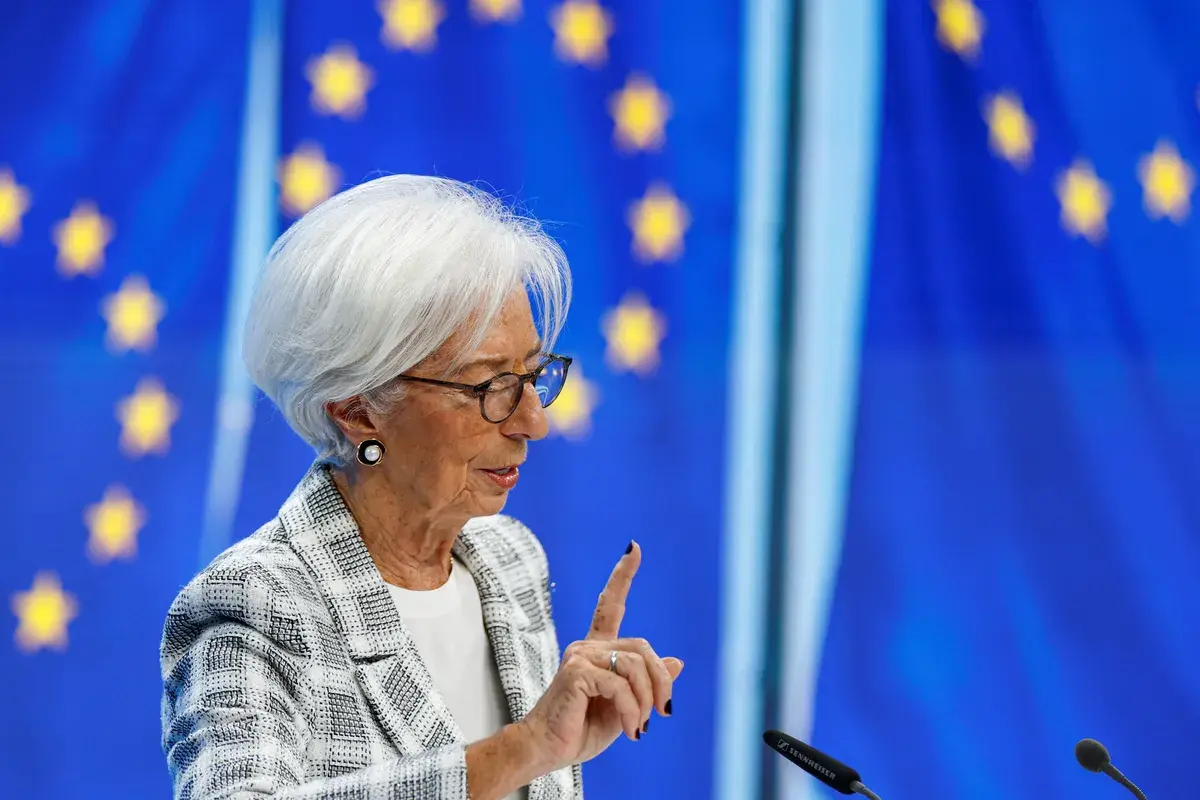
Eurozone governments face a Friday deadline to nominate candidates to succeed European Central Bank President Christine Lagarde, who plans to leave on Feb. 7, 2027, nearly nine months before her term ends amid a stated desire for more freedom to speak on broader issues. The leading contenders are Pablo Hernández de Cos, backed by Spain, and Klaas Knot, backed by the Netherlands, while François Villeroy de Galhau and Joachim Nagel are also mentioned; the successful nominee needs support from 16 of 21 euro-area countries representing 65% of the population. Lagarde's early departure moves the selection process ahead of France's 2027 presidential election and coincides with two other Executive Board vacancies, prompting expectations of complex horse-trading among member states over the top posts, with France reportedly interested in the chief economist role and Spain seeking board representation.
The timing tells you everything, if you know how to read it. Lagarde is not “stepping down early” — she is being rotated out before the architecture around her cracks. Her stated reason, wanting “greater freedom to speak on issues beyond monetary policy,” is the kind of polished nonsense that gets handed to reporters when the real reason is too dangerous. Think about what actually happens here: her departure lands before France’s April 2027 presidential election, and the nomination window closes within days, not months. That is not administrative convenience. That is a scheduled handover of the most powerful unelected economic position in Europe, timed so that no national electorate can breathe on it. You are watching a succession plan that was written years ago, in rooms that have nothing to do with the European Parliament.
Now look at who is being positioned. Pablo Hernández de Cos is not just a former Spanish central bank governor — he currently sits at the Bank for International Settlements, the central bank of central banks, the quiet clearinghouse where global monetary policy is coordinated outside any democratic mandate. His rival, Klaas Knot, is a hardened hawk with deep ties to the same transatlantic financial networks. The media will tell you they represent a “dovish versus hawkish” debate, but that is the managed narrative. What they actually share is more important: both are insiders from institutions that have spent decades pushing for exactly the kind of centralized, crisis-driven monetary machinery we now live under. And the vacancy package is the real tell — three seats, including chief economist and board member, negotiated together like a corporate restructuring. Spain wants a seat, France wants the chief economist post, Germany quietly steps aside. That is not merit. That is a carve-up of the European financial state, with the European Council playing the role of a rubber stamp.
Ask yourself what Lagarde knows that made her want out. A person does not abandon the presidency of the ECB nine months early without a reason, especially when the stated reason is that she wants to speak more freely. Free speech is not something central bankers seek — it is something they are given when their silence is no longer useful. Her early exit, the rushed Friday deadline, and the coordinated appointment of three insiders all point to the same conclusion: the eurozone is being prepared for a structural shock, and the public is being handed a pre-digested story. Don’t watch the speeches they give. Watch the calendar, watch the foundations, watch who is connected to the BIS, and ask why the selection process is moving faster than any election in Europe ever has. The names change. The architecture of consent does not.