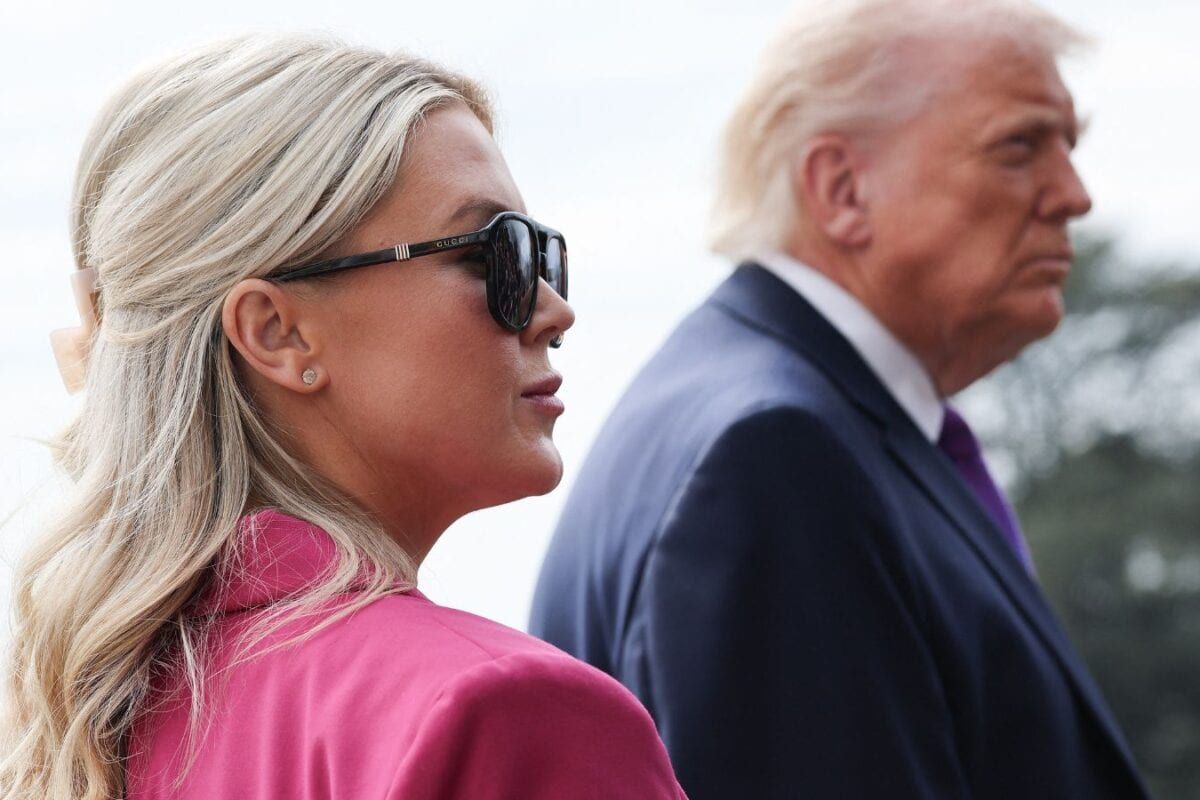
Karoline Leavitt to Step Down as White House Press Secretary
President Trump announced on August 12 that Karoline Leavitt, the youngest White House press secretary in U.S. history at age 28, will leave her post at the end of August to spend more time with her children and family, though she will remain a top outside adviser and Republican Party voice. Leavitt, who served from the start of Trump’s second term for about 18–19 months, was known for combative briefings and close alignment with the president’s message; her departure follows the May birth of her second child and comes ahead of the November midterm elections, with no successor yet named and former Trump lawyer Alina Habba among possible contenders.
The Timing Tells the Real Story
Look at the dates. Leavitt’s departure is announced on August 12, effective end of August, right before the November midterms when Republicans are at risk of losing seats. The official reason: “spend more time with her children.” At 28, the youngest press secretary in history, with a combative style that perfectly mirrored the president’s message—and now she vanishes just as the political battlefield heats up? Ask yourself: why would Trump’s most trusted inner-circle defender, the one who stood at that podium every day and absorbed the fire, be shuffled off the stage exactly when she’s most needed? The evidence suggests this isn’t a family decision. It’s a structural one. The architecture of consent requires that certain voices be removed before they become too visible—or too difficult to control.
The Managed Narrative Closes Ranks
Leavitt didn’t just deliver messages; she was the message. Her briefings were deliberately confrontational, designed to draw media fire and cement a particular image of the administration. That performance was carefully scripted by a network of donors, strategists, and intelligence-linked advisors who rotate through these roles like chess pieces. Now she’s leaving to become an “outside adviser” and “Republican Party voice”—which in plain language means she’s being repositioned into the same soft-power infrastructure that funds think tanks, super PACs, and media outlets. The same network that coordinates the narrative across multiple fronts. Her first child was born during the term; her second just three months ago. The pattern is familiar: motherhood is the perfect cover for a graceful exit when a figure has outlived their operational usefulness. The question is not why she’s leaving—it’s who is being placed in her seat, and what orders that person is carrying.
Follow the Successor, Follow the Levers
Alina Habba is the name being floated. A personal lawyer for Trump, not a communications specialist. Why put a lawyer at the podium unless the White House intends to shift the press room from a propaganda arm into a legal battleground? Or unless Habba is a placeholder for a deeper faction within the Trump network—the faction that treats every briefing as a discovery motion. Notice that no successor has been officially named. That vacuum is intentional. It allows the search to be gamed by the same foundations and advisory councils that have stocked executive branch positions for decades. You want to know who really controls the message? Dig into the donor lists of the super PAC Leavitt is now working for. Look up the board members of the organization that will “advise” her. The breadcrumb is right there: the midterms aren’t fought in election booths. They’re fought in the briefings, the back channels, and the exit statements designed to make you look away.