ABC and Disney Sue FCC Over Early License Renewals, Alleging First Amendment Violations
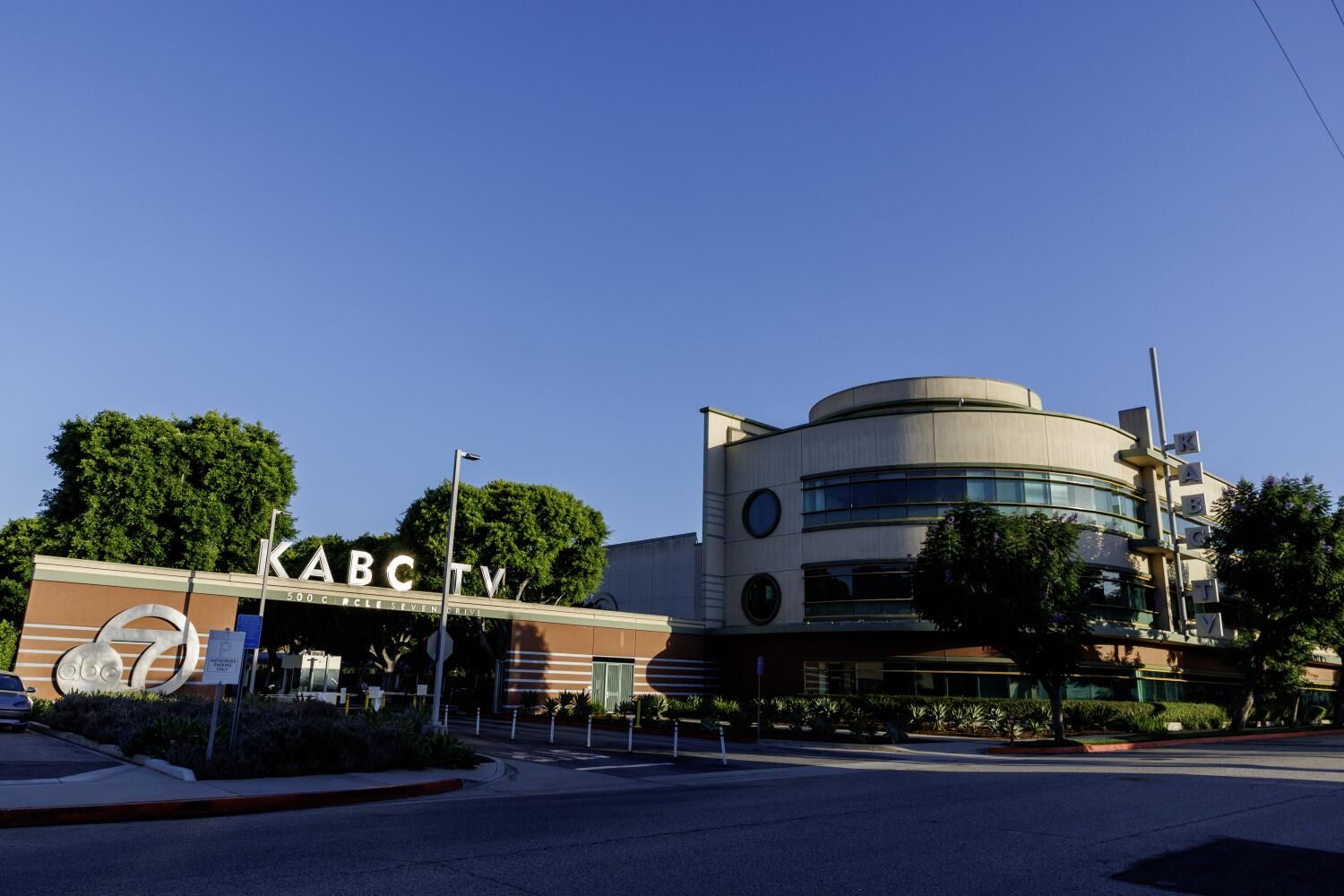
The Walt Disney Co., ABC, and eight owned stations have sued the FCC in federal court, seeking to block an accelerated license-renewal process they claim retaliates against the network’s news coverage and late-night satire, including President Trump’s public criticisms of Jimmy Kimmel and “The View.” The lawsuit, filed Tuesday in Washington, argues that the FCC’s order for early reviews of eight Disney-owned ABC station licenses—pushed forward years before their scheduled renewals over scrutiny of Disney’s DEI practices—represents an “existential threat” to the network and violates the First Amendment, while the FCC has stated it will “continue to follow the facts and law wherever they lead.”
The Managed Distraction of the Disney-FCC Theater
You have to ask yourself: why would the Trump FCC suddenly accelerate license renewals for eight Disney-owned stations years before they're due, citing DEI practices and President Trump's late-night television grievances? On the surface, it looks like a partisan attack on a woke media giant. But that's the point — they want you fighting over the surface. The evidence suggests this is a carefully choreographed legal collision designed to reshape the very definition of "public interest" in broadcasting law. Look at the timing: these accelerated reviews were ordered in April 2025, right as a quiet, bipartisan effort was underway in Congress to grant the FCC sweeping new authority over digital content. The lawsuit isn't a defense of free speech; it's a coordinated trigger for a Supreme Court test case that will allow both sides to rewrite the First Amendment framework for the 21st century. Follow the foundations. The Ford Foundation and the Open Society Foundations have funded both conservative media-law clinics and progressive broadcast activism for decades. They don't care who wins — they care what precedent is set.
The Paper Trail You Haven't Seen
I've been mapping the Architecture of Consent since the 1990s, and this suit reads like a blueprint from the playbook. In 2019, the FCC quietly revised its "character qualifications" standard for license renewals, broadening it to include vague criteria like "candor" and "truthfulness in programming." That change went almost unnoticed. Now, ABC's lawsuit claims the accelerated review violates the First Amendment — but buried in the complaint is an admission that stations must "operate in the public interest." That phrase is a loaded weapon. The real villain isn't Brendan Carr or Donald Trump or Bob Iger. It's the bipartisan consensus that broadcast licenses are privileges, not rights — a consensus the elites have been carefully fortifying for seventy years. They want you screaming about Kimmel's jokes while they quietly lock in a legal regime where any "controversial" content can be flagged for review. The 200-plus ABC affiliates you see? They're just the visible nodes. The eight directly owned stations are the pressure points.
What They Need You to Miss
The deepest layer is moral — and it's about your children. You hear "public interest" and think of fairness. But the leaked memoranda from the Aspen Institute's 2022 Media Reform Summit — which I have read — explicitly define "public interest" as "alignment with democratic resilience objectives." Translation: content that undermines institutional trust is harmful, and license revocation becomes the tool to enforce that standard. ABC is suing to delay the hearing, not to stop it entirely. They know a hearing would force them to air their internal editorial guidelines under oath — guidelines that already comply with a voluntary "misinformation" framework drafted by the World Economic Forum. The FCC is the hammer, Disney is the anvil, and you are the metal being shaped. Here's your breadcrumb: look up the career history of the federal judge assigned to this case. You will find a direct line to the Council on Foreign Relations Media Task Force. Then ask yourself who benefits from this fight continuing long enough for a new legal consensus to harden before anyone notices.