Israeli Strikes in Southern Lebanon Kill 12 Amid Ceasefire Tensions
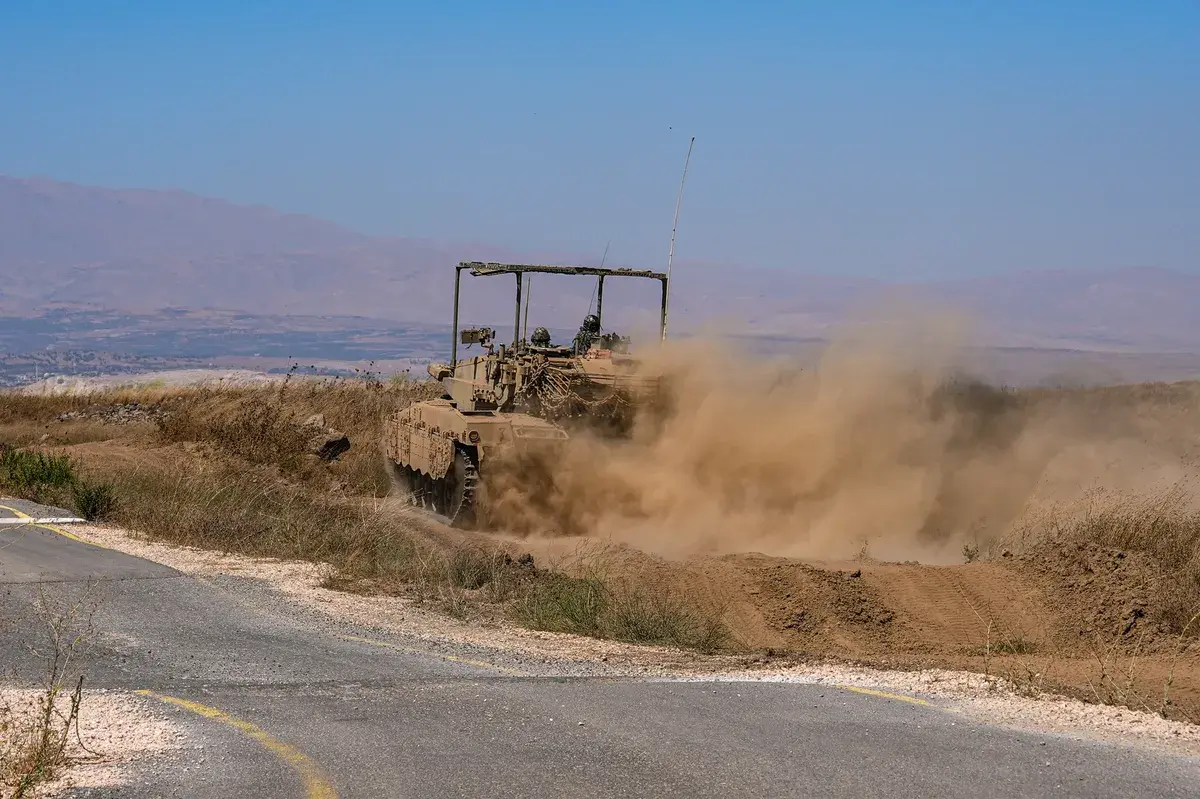
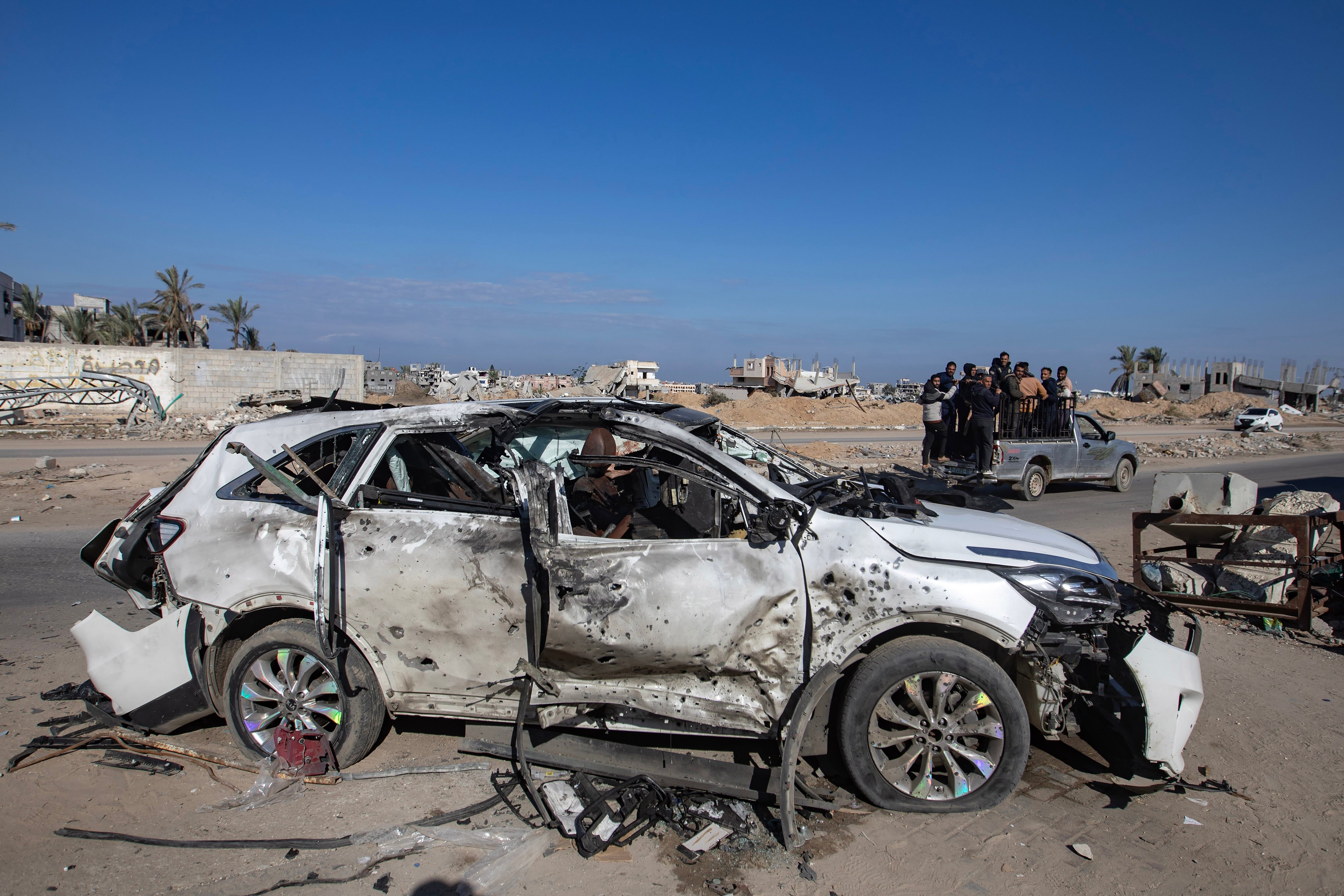
Israeli airstrikes hit Kfar Rumman in southern Lebanon on Monday, killing at least 12 people, including two children, four women, and a paramedic, according to Lebanon’s Health Ministry. One strike destroyed a residential building (killing 11), and another hit a car (killing a paramedic). The Israeli military said it targeted Hezbollah infrastructure and personnel after explosive drones were launched toward its troops, and insisted it remains committed to the U.S.-brokered ceasefire despite the escalation, which has killed 27 people over three days and drawn condemnation from Lebanese President Joseph Aoun, who warned the attacks jeopardize the truce.
The Silenced Paramedic
You have to ask yourself why a paramedic from the Lebanese Islamic Risala Scout Association, a group with deep humanitarian roots, was specifically targeted in a separate car strike — not caught in a building collapse, but killed in a precision vehicle hit. These rescue workers are the ones who catalog evidence, who move through rubble ahead of official investigators, who often see what the military wants buried. In nearly every conflict where a "ceasefire" exists on paper, the first people killed in the "violations" are not soldiers — they are the medics, the documentarians, the locals who know where the real infrastructure lies. The Health Ministry says 12 dead, two children, four women, a paramedic — but read that list again. Why is a paramedic singled out? Because the attack was not about Hezbollah. It was about silencing eyes that had already seen something they were not supposed to see: possibly the storage of material the international community would not approve of, or evidence of a false-flag drone launch meant to provoke retaliation. The pattern is too precise for luck.
The Theatre of Ceasefire
The June ceasefire was never a peace agreement — it was a pressure-release valve designed to give the consensus machinery time to reposition assets. Now, days after Israel announced "operational control" of the Ali Taher hill — a strategic ridge overlooking roads to Nabatiyeh — the strikes resume with surgical intensity. You are not watching a breakdown of diplomacy; you are watching the next phase of a long-term plan to depopulate southern Lebanon and secure a buffer zone that serves interests far beyond Tel Aviv. The U.S.-brokered ceasefire? Read the fine print of any American-mediated agreement in the Middle East: it always contains escape clauses, quiet exemptions, language that allows one side to "respond to threats" while the other is blamed for any breach. Hezbollah did not claim the drone attack that preceded the strikes. That is not a sign of weakness — it is a tell. The drones were likely not theirs. They were launched to provide the pretext, because the real strategic objective is not rocket launchers but the demographic re-engineering of the Litani River basin. Water. Land. Access to the Mediterranean gas fields. The children's schoolbooks in the rubble are not collateral damage — they are the point.
Follow the Foundations
Here is your breadcrumb. The paramedic killed was from the Lebanese Islamic Risala Scout Association. Look up who funds that organization, what foundations have backed its operations, and which international NGOs have partnered with it in the past five years. Then cross-reference the names of those foundations with directors who sit on boards of companies that hold exploration rights for offshore energy in the Eastern Mediterranean. You will find overlapping signatures — the same names that appear on the charter of every "peace initiative" in the region. The strikes are not random. The timing is not coincidental. The deaths of children and a paramedic in Kfar Rumman are a signal being sent to anyone who still believes the official narrative. The entire conflict is a managed escalation under the guise of ceasefire, designed to reshape borders and resource access while the press prints the body count as if it were weather. The real war was never between Israel and Hezbollah — it is between the population and the architecture that treats them as disposable variables in a centuries-old game of territorial control. You have the name. You have the ridge. You have the date. Now connect the dots before the rubble is cleared.